
Programs
Advancing the Right to
Nutritious Food
WhyHunger supports communities in taking control of their own food systems and ending hunger. We provide funding, training, and other resources to grassroots organizations and social movements across the United States and 24 countries, championing local control of food access from seed to market to plate. Our work helps connect people in need with nutritious food and provides critical resources to fuel long-term solutions to hunger rooted in social, environmental, racial, and economic justice.
Find Food
The WhyHunger Hotline & Find Food Database connects people in need across the U.S. to food pantries, soup kitchens, summer meal sites, government nutrition programs, and grassroots organizations that provide access to free food and support services.
Call 1(800) 5-HUNGRY, text you zip code to 1-800-548-6479, or use this form to find local emergency food providers and other support services.
FIND FOOD
Programs
Creating Resilient Food Systems
Grassroots Action Network
Our US Program (or our Grassroots Action Network) works in partnership with community-based leaders, organizations, and networks. We understand that without having the necessary lived experience, we cannot hope to build a movement for just and equitable food systems in the U.S. We support capacity building, community organizing, and elevating collective power to improve people’s social and economic realities.
Nourish Network for the Right to Food
The Nourish Network for the Right to Food collaborates with emergency food providers, food access organizations, community health groups, and grassroots and national allies to transform the U.S. charitable response to hunger. We strive to create a more equitable and inclusive social justice movement that recognizes nutritious food as a human right.
WhyHunger Hotline & Find Food
The WhyHunger Hotline refers people in need across the U.S. to food pantries, soup kitchens, summer meal sites, government nutrition programs, and model grassroots organizations.
Artists Against Hunger & Poverty
Artists Against Hunger & Poverty empowers artists, the artist community, and the music industry to use their voices to support the fight against hunger and poverty. Over $13 million has been raised to support innovative, community-based organizations worldwide, ensuring basic human rights.
Global Movements Program
Our Global Movements Program supports four global social movements that represent over 200 million people: La Via Campesina International (international peasants’ movement), The World Alliance of Mobile Indigenous People, The World Forum of Fisher Peoples, and The World March of Women. By centering and funding the priorities of these community-driven movements, we begin to address the economic barriers and institutional structures in their way, and sustainable livelihoods for all people.
Our Approach
We Work at the
Grassroots
At WhyHunger, we support community-driven solutions to end hunger and the injustices that cause it. We connect people to food resources when they need them most while working to transform the systems and inequities that perpetuate hunger. Through capacity building, advocacy, and resource mobilization, we amplify community-led efforts to end hunger and create a world where everyone has the right to nutritious food.

Stories of Impact
Uprooting Injustice, Growing Solutions
We reshape our food systems by supporting grassroots initiatives and uprooting injustice.
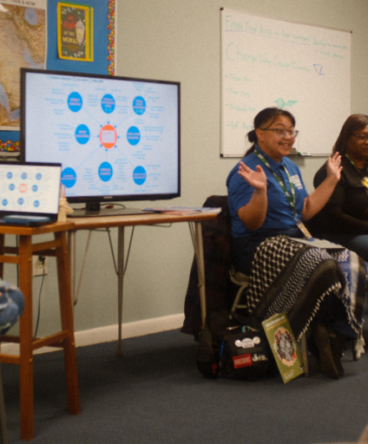
Insights from the Come to The Table Conference: Food and the Common Good
WhyHunger staff attended the Come to the Table conference in Winston-Salem, North Carolina to learn,…
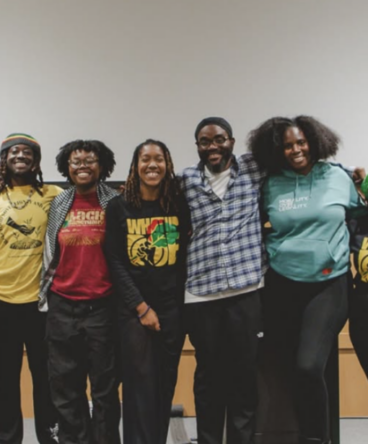
Partner Spotlight: Black Urban Growers, the National Black Food Justice Alliance and the Fight for Black Food Sovereignty
For more than fifteen years, WhyHunger has walked alongside Black-led coalitions and organizers working to reclaim food, land and power in the United…
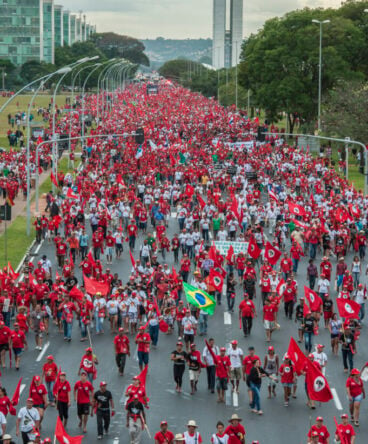
Partner Spotlight: The Landless Workers Movement and the Fight for Food Sovereignty in Brazil
Para Português, clique aqui. “When we plant, we are not just producing food; we are…
Grassroots Partners
Together for Food Equity
Through 50 years of experience, WhyHunger has learned that the most effective solutions are community-driven and target root causes.


Artists Making Change
Music Powers
Movements
We celebrate how the arts fuel impactful movements and envision a future where artists amplify action for change. We equip artists to use their platforms, amplify the voices of those affected by hunger, and raise funds for community-led solutions.
Nourish People, Nourish the Planet
2025 Impacts

2.1M PEOPLE CONNECTED
to healthy food and essential services in their communities.

$1.3M Mobilized
in grants to social movements and community-based organizations.

10 Countries
supported after disasters with food, housing, supplies and seeds.

59 organizations
Donate
End Hunger,
Build a Better Future
Your generosity fuels our mission, empowers communities, and brings hope to those in need. Together, we can ensure everyone has access to nutritious food. Donate today and be part of the transformation.