
WhyHunger staff attended the Come to the Table conference in Winston-Salem, North Carolina to learn, collaborate, and share our approach to cultivating a hunger-free world.
The conference is hosted by the Rural Advancement Foundation International (RAFI), which challenges the root causes of unjust food systems by supporting and advocating for economically, racially and ecologically just farm communities.
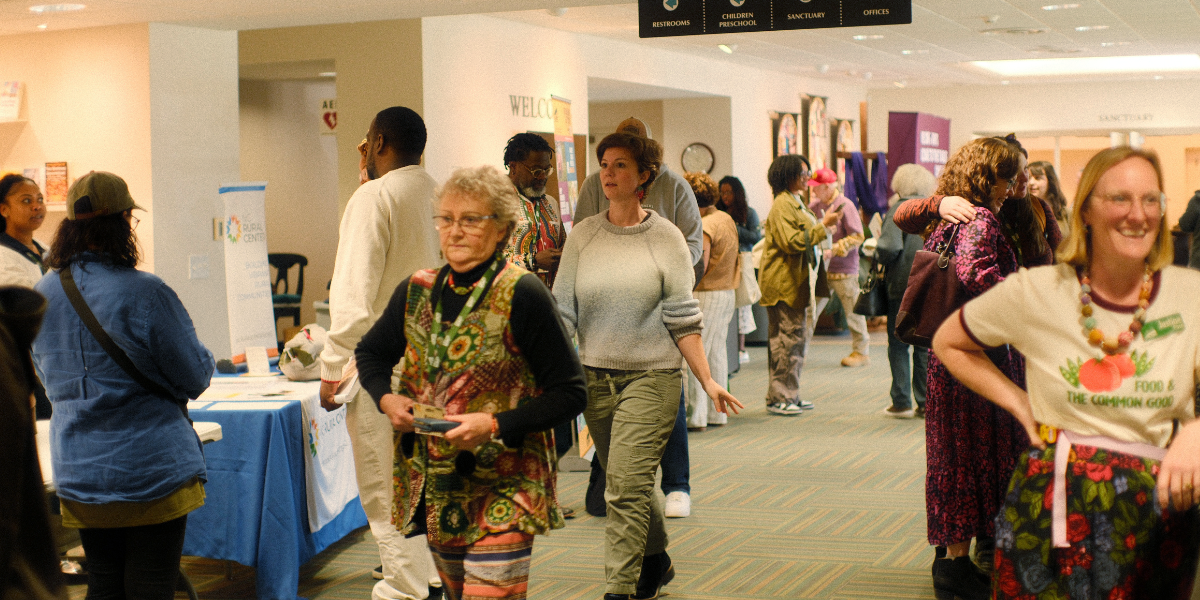
This year’s conference theme was “Food & The Common Good,” which explored what and who is affecting our collective food system. The sessions we attended helped illuminate structural forces, community-driven solutions and the shared responsibility of moving from charity toward justice. Across workshops, presenters emphasized that food systems are not neutral, but instead built, influenced and changed by policy, culture, power and people.
WhyHunger’s own Lauren McCalister and Suzanne Babb presented the “Be, Build, Block: Strategies for Navigating a Shifting Landscape” framework from the Closing the Hunger Gap Network to offer both clarity and urgency for organizations navigating the shifting federal landscape around hunger and poverty policy. Through shared stories, challenges and pitfalls, the conversation consistently returned to “food and the common good,” highlighting the ability of collaboration and community-driven practices to strengthen local food systems.

Suzanne noted, “Not only are we building radical organizations, but we’re doing it as a network to inspire and leverage this change within other organizations,” emphasizing the necessity of prioritizing relationships for the greater good of all.
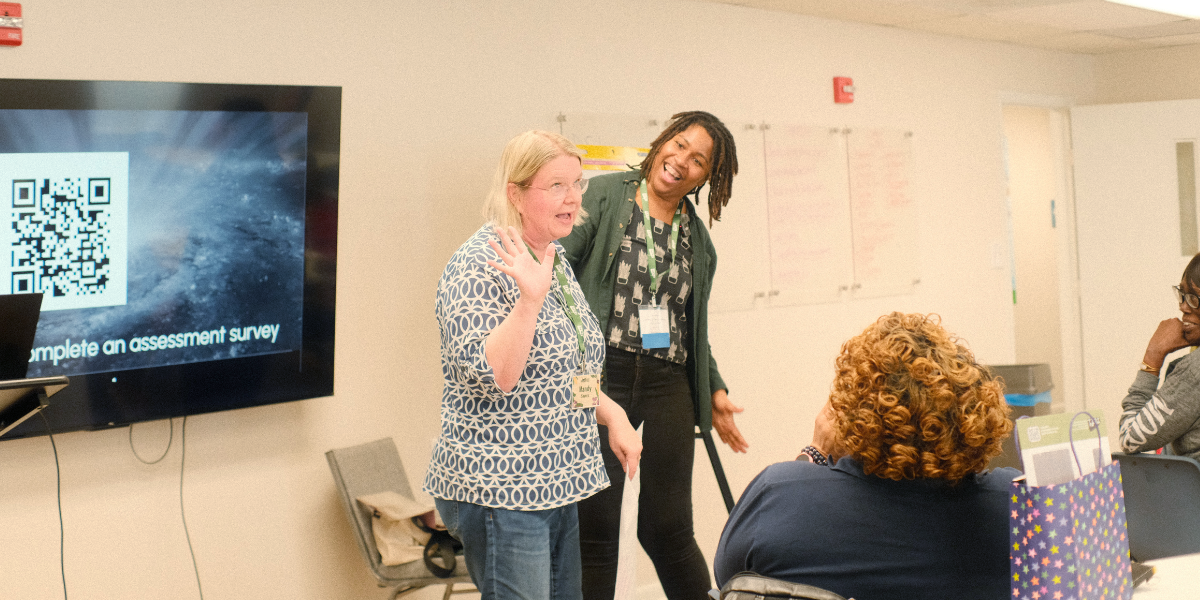
Similar messaging was echoed throughout Change Today, Change Tomorrow’s session “From Food Access to Food Sovereignty: Building the Common Good in Louisville’s West End,” which stressed food’s position as a foundation for community well-being and collective liberation. Executive Director and Founder Taylor Ryan provided a blueprint for building sovereignty – where communities hold the power to grow, share and govern their own food.
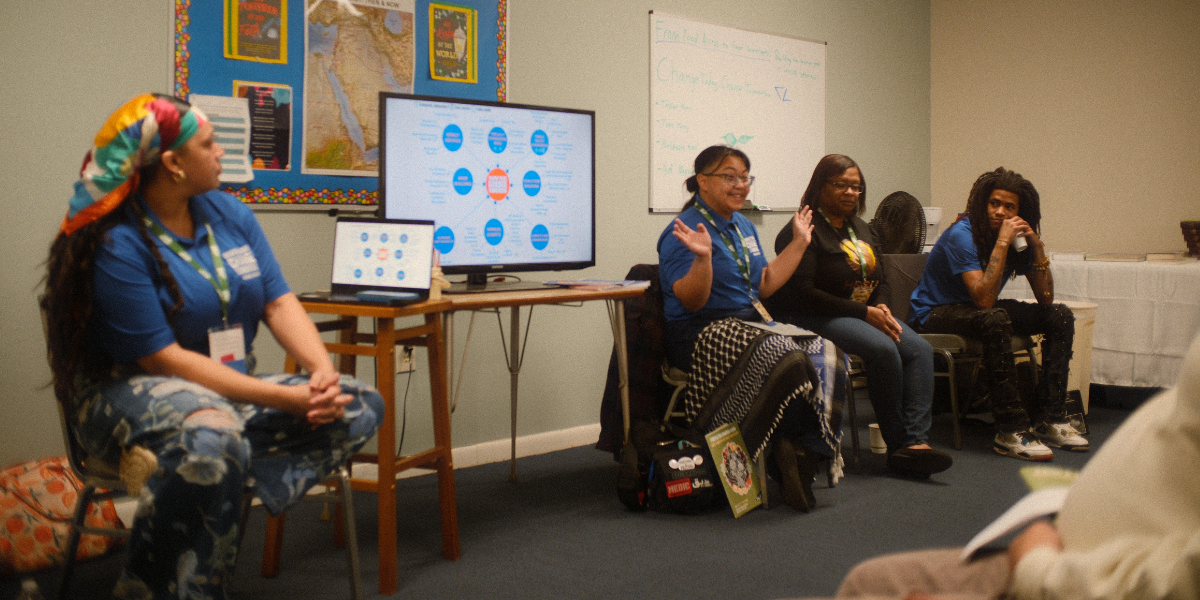
“The best thing I’ve been able to do is create a job that’s not a job. I’ve used my skillset to start a company that helps people and helps me. I think the focal point was: I was living in the back of my homegirl’s house when I started this organization. So it wasn’t just about helping, it was also about helping myself.”
By tying her own challenges and pursuit for liberation with her community’s, Taylor has been able to feed 200 families per week and organize around the collective idea of “common good.”
On our final day at the Come to the Table Conference, many of us gathered in the main sanctuary of Ardmore Baptist Church to attend one last session, “The Future of SNAP: What We Know, What We Don’t, and What to Do.” Presented by Bread for the World staff members Jason Blanton, Taylor Johnson, and Sakeenah Shazaa, this panel provided a sobering and detailed look at the changes to the Supplemental Nutrition Assistance Program (SNAP) and its possible effects across rural communities in North Carolina and beyond.

From anticipated shifts in costs to states to new access barriers that will affect food-insecure families, this panel outlined the future of SNAP policy as a battleground for the common good.
Bread’s State Organizer for North Carolina Jason Blanton succinctly summarized the conference’s theme:
“There are very few people that you will sit at tables with who believe children ‘ought to be hungry. There are very few people you will sit at table’s with who think senior adults ‘ought to be hungry.”
His plea for finding the common good among disparate groups and individuals reinforces the idea of building community.
Across all sessions and keynotes at the Come to the Table Conference, community-led visions and practices stood out as universal truths and necessities in cultivating common good. Just as the conference brought together faith communities, nonprofits, advocates, farmers and others to reimagine the food systems that shape our daily lives, we also hold this power within our communities to strive for change.