Why
Agroecology
Matters
Proven Results and Lasting Impact
Agroecology is a proven agricultural approach that brings together Indigenous and traditional knowledge with modern science to grow abundant, nutritious food while restoring ecosystems and strengthening community control over food systems.
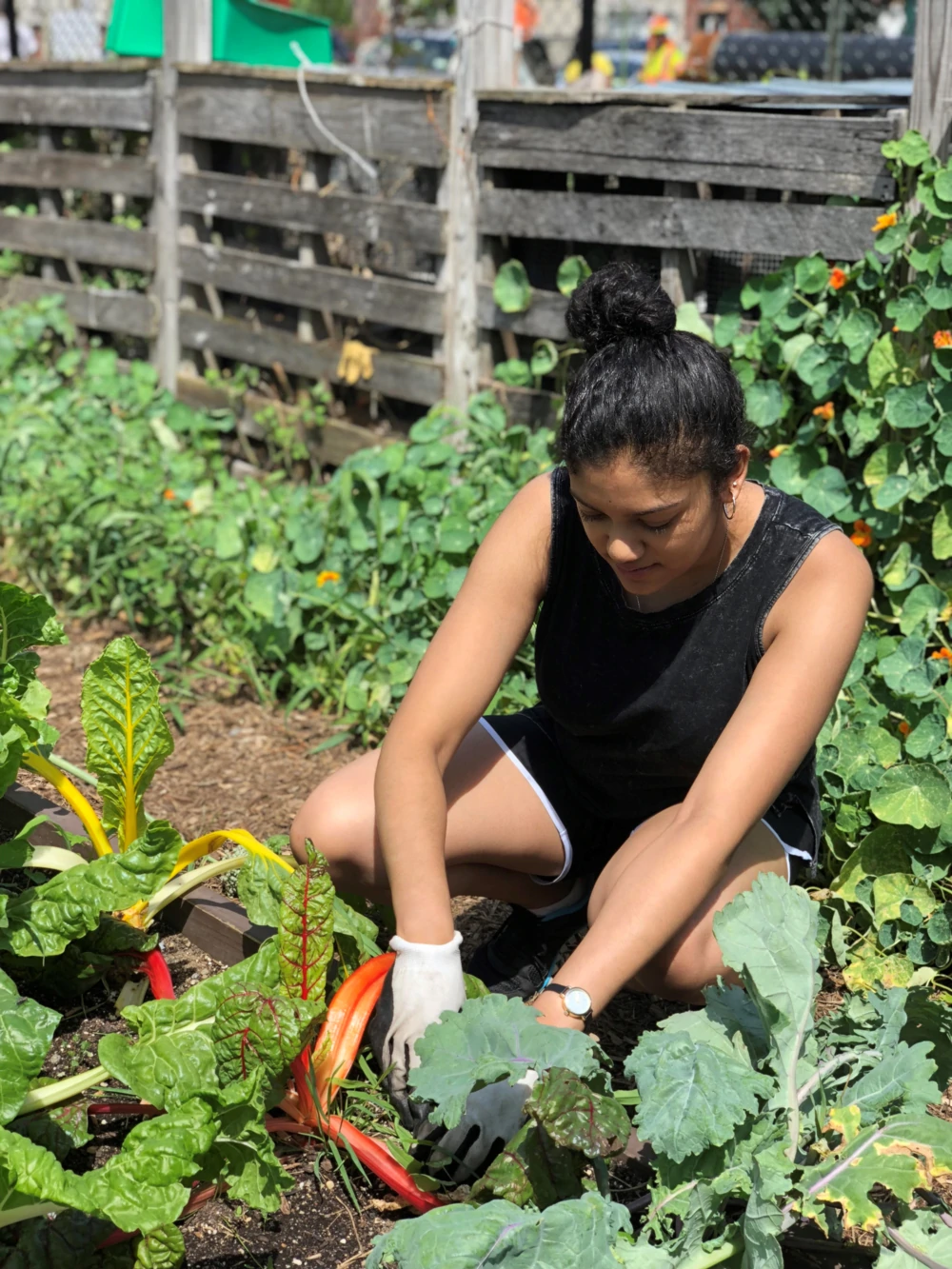
Research shows that agroecology can increase food production and farmer income, improve biodiversity and climate resilience, and strengthen long-term food security. Together, these benefits make agroecology a powerful strategy for addressing the root causes of hunger while building healthier, more resilient communities.
Agroecology has many proven benefits:
- Increases food production by 39%, all while restoring ecosystems 1
- Reduces costs and increases farmer income by 26% 1
- Strengthens local food systems and long-term food security 2
- Maintains crop yields while improving biodiversity and soil health3
- Increases women’s leadership, community engagement, and household decision-making4
- Strengthens community leadership and participation in local decision-making5
- Creates lasting change and exponential impact by investing in education instead of short-term aid
A Long-Term Solution to Hunger
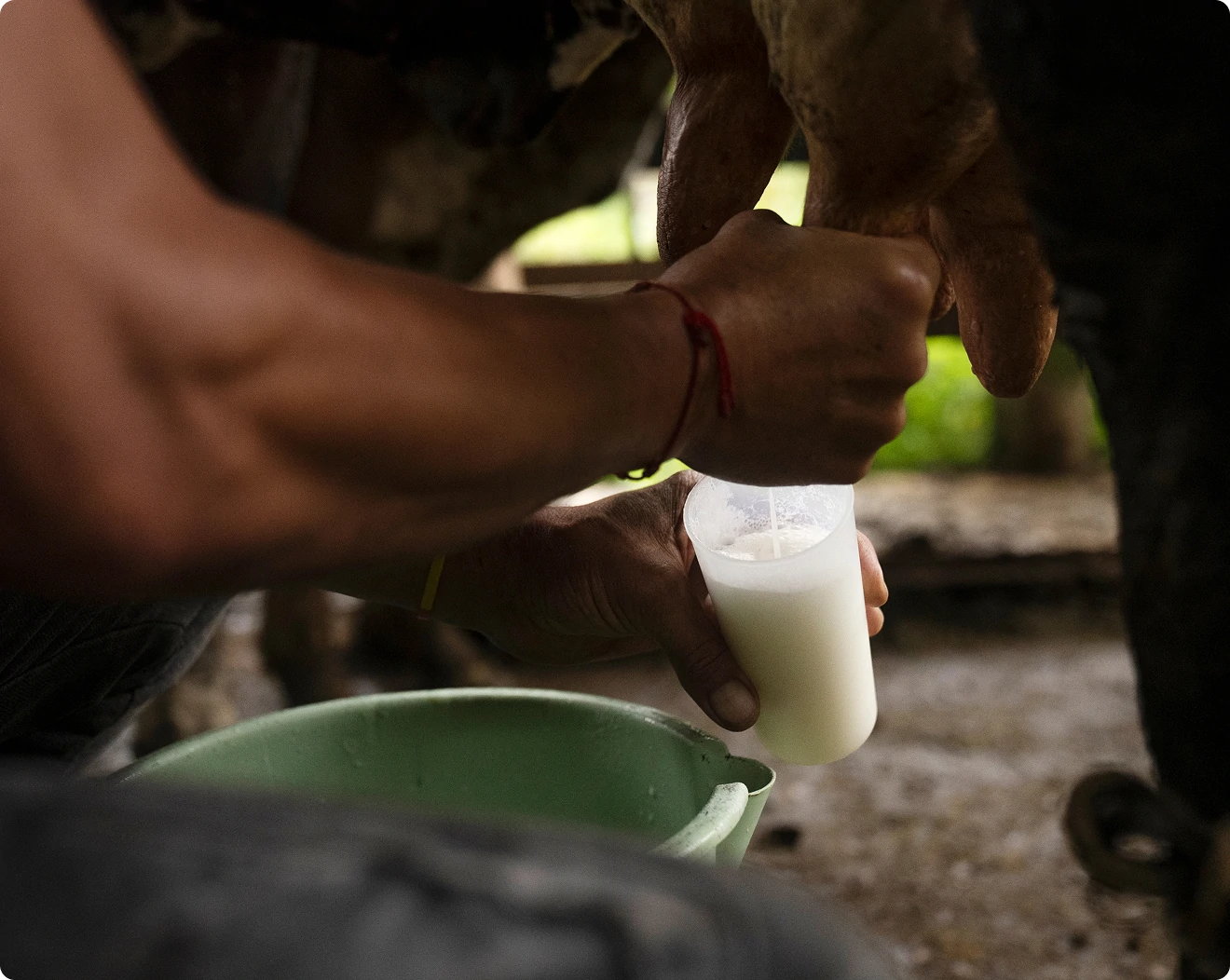
At its core, agroecology is a powerful tool for reducing hunger. It helps farmers grow more nutritious food and reduces their dependence on costly seeds, fertilizers, and other external inputs. It also helps them generate income. Over time, agroecology strengthens families’ ability to nourish themselves and their communities, building stronger local food systems and reducing dependence on industrial agriculture and short-term food aid.
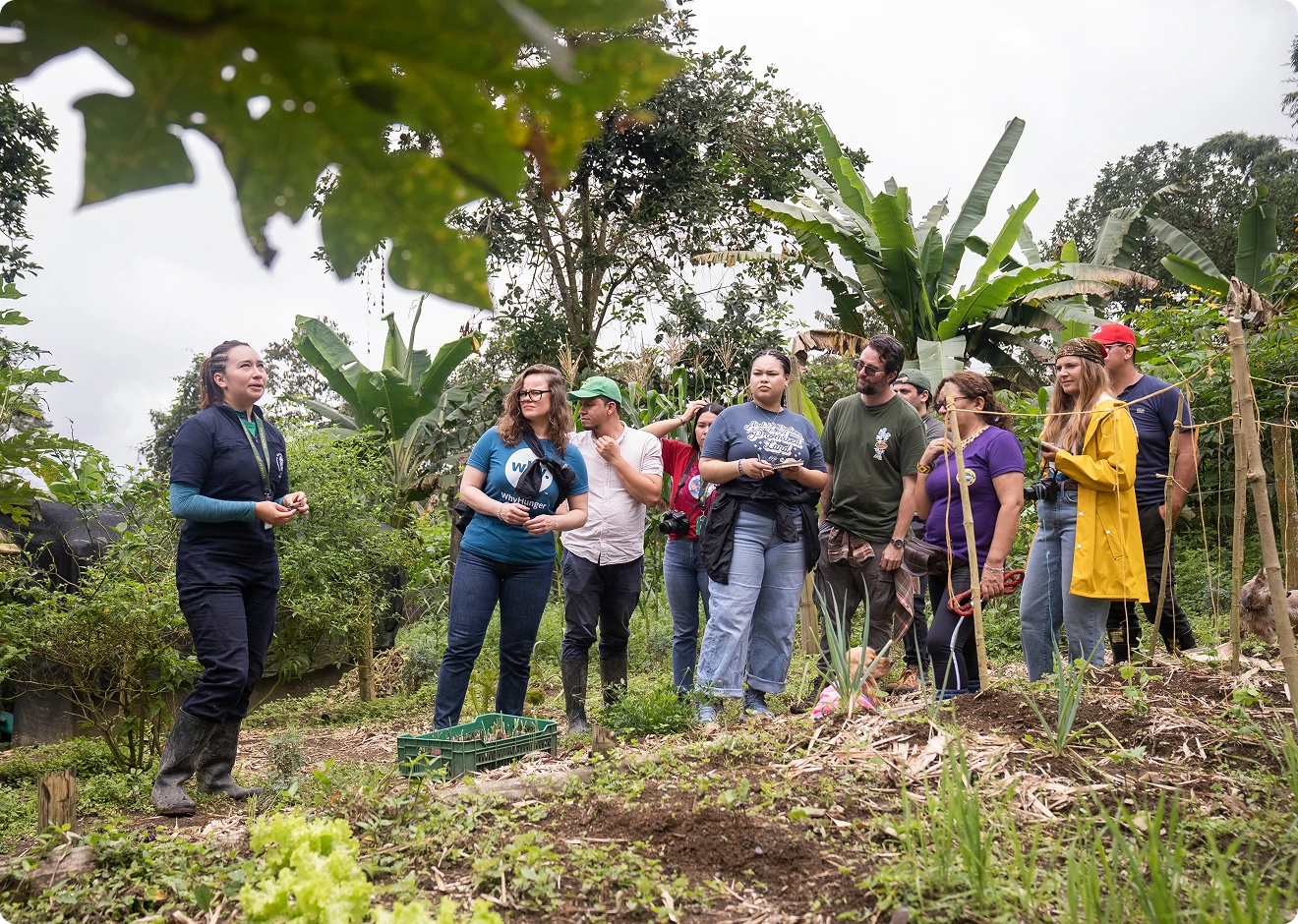
WhyHunger invests in agroecology because it’s an effective, long-term solution to hunger. By funding grassroots organizations, supporting agroecology schools and farmer-to-farmer learning, and connecting movements, we help communities share knowledge, strengthen collective power, and build lasting food security.
Food Sovereignty and Peasant-led Leadership
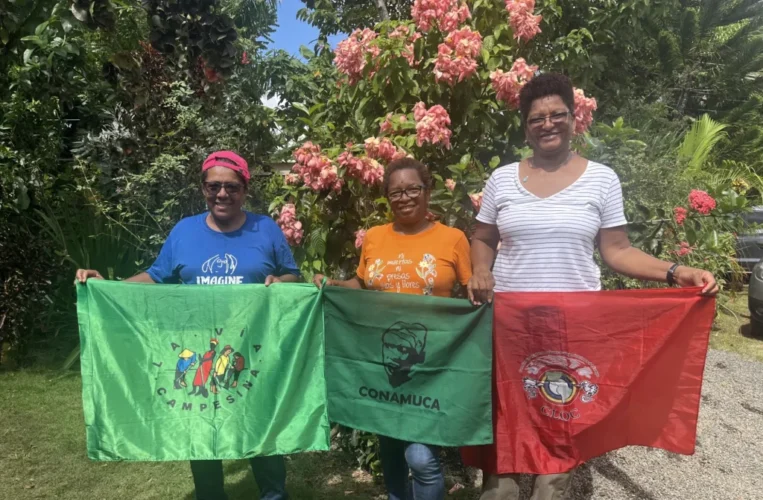
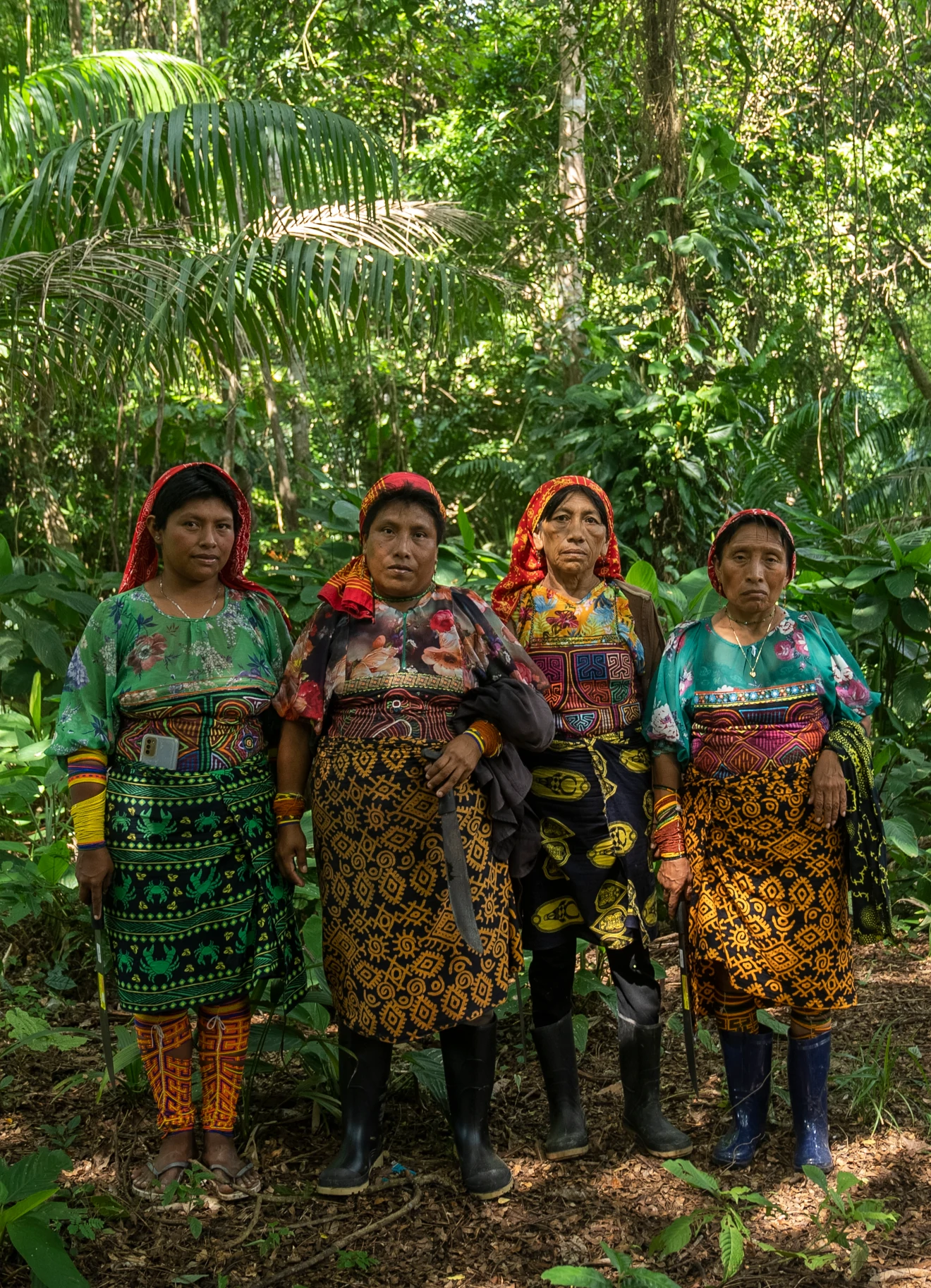
Agroecology puts communities in control of their food. Rooted in the principles of food sovereignty, it empowers people to decide what they grow, how they grow it, and how food is shared within their communities. By strengthening local food systems, agroecology helps provide nutritious food, care for the environment, and reconnect farmers—especially those from Black, Indigenous and communities of color—with the land, knowledge, and cultural traditions that have sustained generations.
But agroecology is about more than farming. It’s also a political movement.
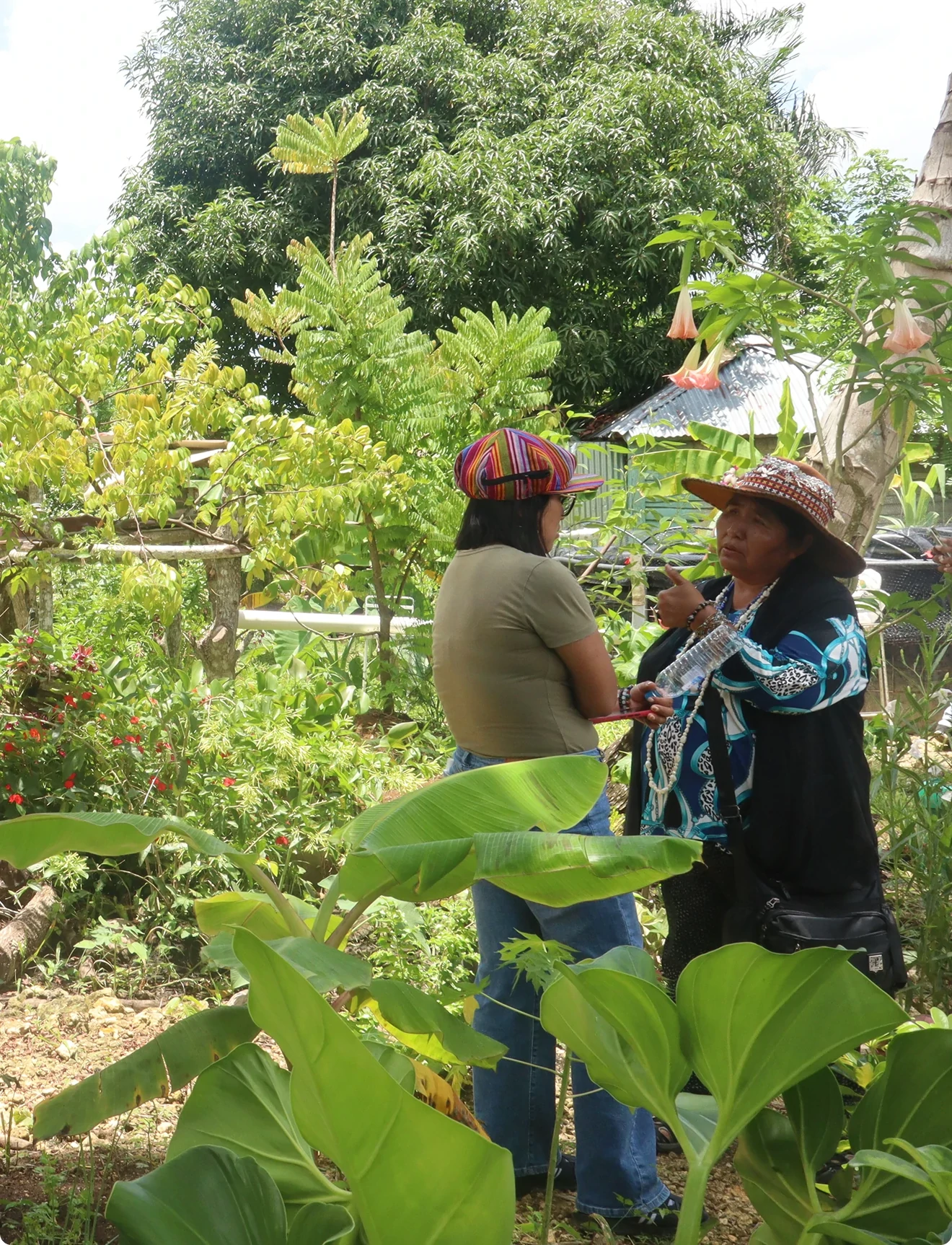
Through education, organizing, and collective action, farmers and communities strengthen local leadership, advocate for land rights and supportive policies, and build food systems rooted in equity, resilience, and self-determination. Knowledge is shared across generations and borders, creating a ripple effect that extends far beyond individual farms.
Agroecology is also about culture, identity, and belonging. Music, art, storytelling, and shared rituals are woven into gatherings and learning spaces to honor the land, ancestors, and collective knowledge.
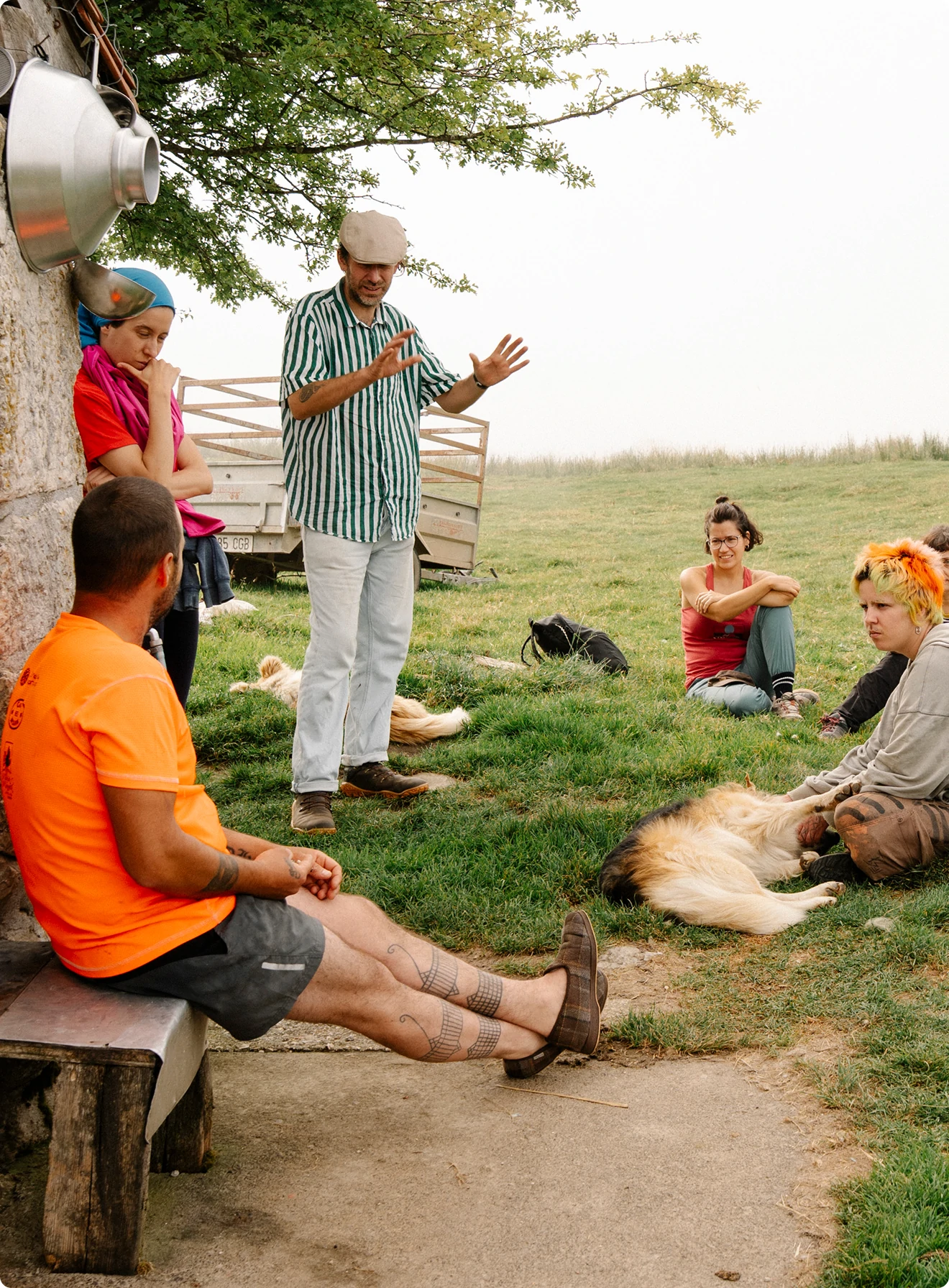
When practitioners of agroecology get together, they often begin with a mística, an opening ceremony that reflects the movement’s liberatory vision and the shared belief that a more just and sustainable future is possible. These moments foster connection, strengthen solidarity, and remind participants that caring for the land is inseparable from caring for one another.
Climate Resilience
Today, 2.1 billion people, one-fourth of the global population, experience moderate or severe food insecurity, even though the world produces enough food for everyone. The problem isn’t supply; it’s how our food system works.
Industrial agriculture and the broader food system are major drivers of environmental harm:
- 35% of global greenhouse gas emissions come from food systems
- 70% of global freshwater use is tied to agriculture
- 240+ million acres of land are degraded each year
As climate change intensifies and natural resources become increasingly strained, there is growing recognition that food systems must not only produce food but also protect ecosystems and strengthen communities’ ability to adapt. This is where agroecology offers a powerful alternative.
Agroecology helps communities both reduce agriculture’s contribution to climate change and adapt to its effects. Practices such as cover cropping, crop diversification, agroforestry, and reduced tillage can increase the amount of carbon stored in soil, reduce reliance on synthetic fertilizers and other fossil-fuel-intensive inputs, restore soil health, and support biodiversity.
These practices also help farms withstand droughts, floods, extreme heat, pests, and other climate-related threats. Healthy soils absorb and retain more water while reducing erosion. Growing a wider range of crops and integrating livestock can protect farmers when a single crop fails, while diverse sources of income provide greater financial stability. Together, these approaches conserve soil and water, protect food production, and strengthen communities’ resilience to climate change.
Investing in Lasting Solutions to Hunger
Supporting agroecology means looking beyond the next harvest. It means putting resources directly into the hands of farmers and local leaders who are nourishing their neighbors, sustaining livelihoods, and shaping the food systems that affect our lives.
Together, WhyHunger and our donors are helping community-led solutions take root and grow, moving us closer to a world where everyone has nutritious food.
To support this work, contact us at:
[email protected]
Hear It From our Partners
Our Agroecology Schools Project built a global network to strengthen sustainable farming organizations, equip the next generation of leaders, and help communities build more just, resilient food systems.