Agroecology
Schools
Project
WhyHunger launched our Agroecology Schools Project to strengthen farmer-led schools, equip the next generation of agroecological leaders, and help communities build more just, resilient, and sustainable food systems. We partnered with grassroots organizations and social movements in 10 countries to build a global network of schools teaching agricultural education.
About the Project
Over two years, WhyHunger’s Agroecology Schools Project partnered with grassroots organizations and social movements in 10 countries to strengthen farmer-led schools, cultivate agroecological leaders, and build more just, resilient food systems.
These schools use a farmer-to-farmer model that means farmers learn from each other. Farmers with more experience teach the next generation of farmers, through hands-on training and traditional Indigenous and peasant knowledge. More than 4,000 students have been trained, and now they can share that knowledge with others in their communities.
Through direct funding and technical support, WhyHunger strengthens existing schools while helping seed new ones. Together, these schools—whether they’ve been operating for 15 years or are just getting started—train farmers, strengthen local leadership, and create lasting ripple effects that improve food security, livelihoods, and resilience across entire communities.
Why This Model Matters
We don’t need to feed the world; we need to equip communities to nourish themselves.
WhyHunger’s partners are teaching ‘agroecology’, a proven agricultural method that unites Indigenous knowledge and modern science to grow abundant food, restore ecosystems, and strengthen community control over their food systems. It’s a way for families and communities to care for the land and each other while building independence from the industrial food system.
When communities can farm with agroecology, they can determine for themselves what they eat, and when, while also protecting their land and resources. Effective agricultural education over time will mean more people in the driver’s seat when it comes to their own food production and nutrition. Agroecology is a movement building framework. That means it is spread from farmer-to-farmer, campesino-to-campesino, community-to-community.
As an approach, agroecology has many benefits:
- Increases food production yields by up to nearly 80%1
- Reduces costs and increases farmer income by 26%1
- Strengthens local food systems and long-term food security2
- Maintains crop yields while improving biodiversity and soil health3
- Increases women’s leadership, community engagement, and household decision-making4
- Strengthens community leadership and participation in local decision-making5
- Creates lasting change and exponential impact by investing in education instead of short-term aid
Impact
Across both cohorts, the project has already generated meaningful, measurable change:
- 4,000 people trained through school programs and peer-to-peer learning
- 350 livelihoods strengthened or created through farming, cooperatives, and local markets
- 42 global learning exchanges plus a 10-day in-person convening
- Exponential knowledge sharing, as graduates train others in their communities. Already, students and graduates have trained an additional 2,000 people in agroecology. This ripple effect continues to expand as participants pass on their knowledge to future generations.
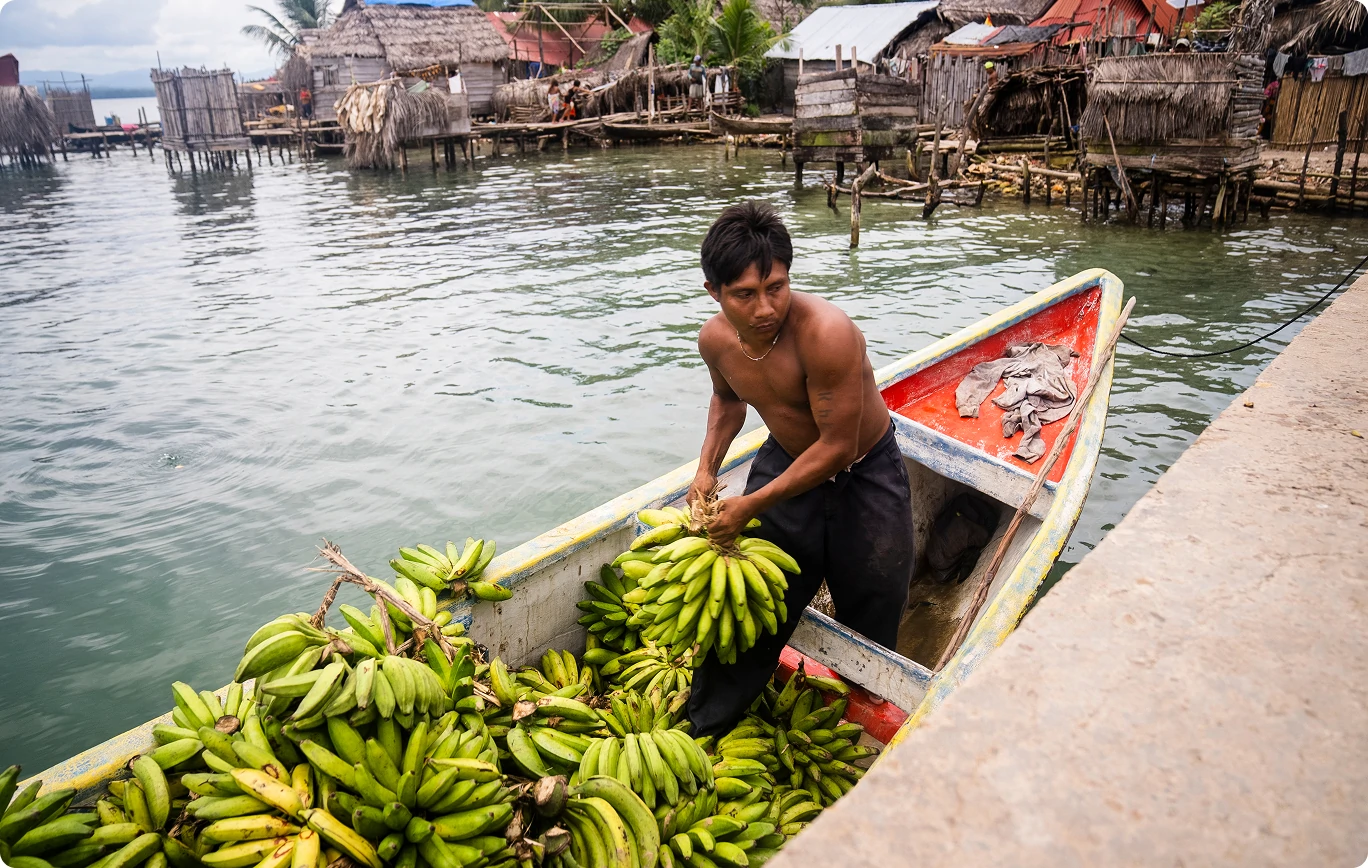
Global Reach
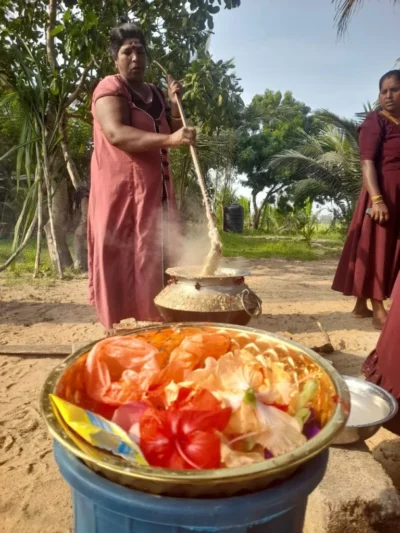
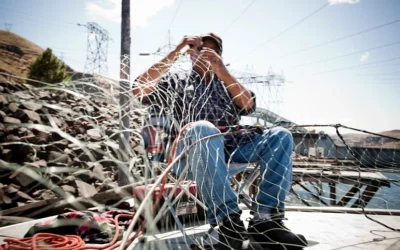
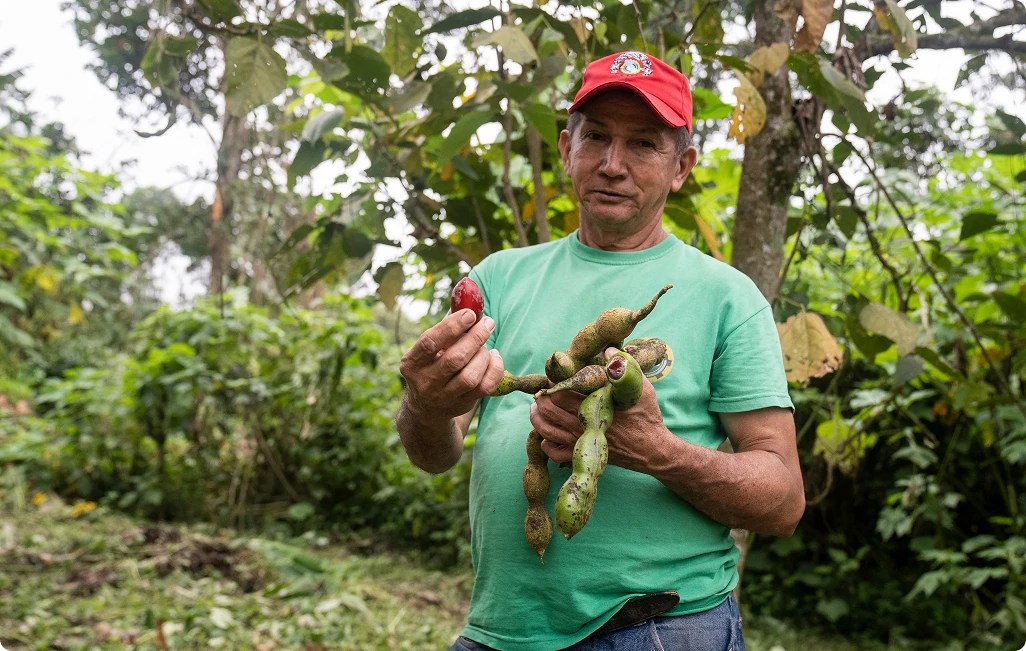
The project spans two cohorts of schools across 10 countries. Each school adapts agroecology to its local context—responding to climate, culture and community needs.
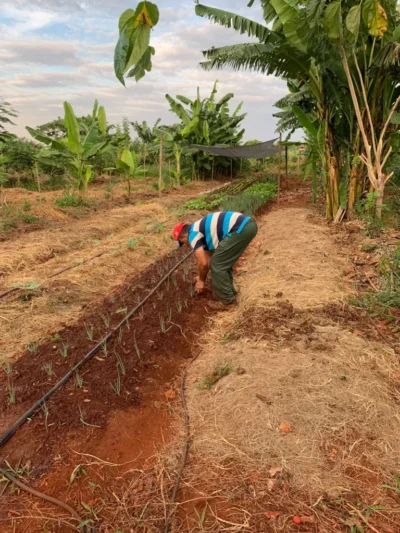
Dominican Republic
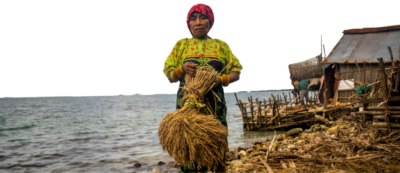
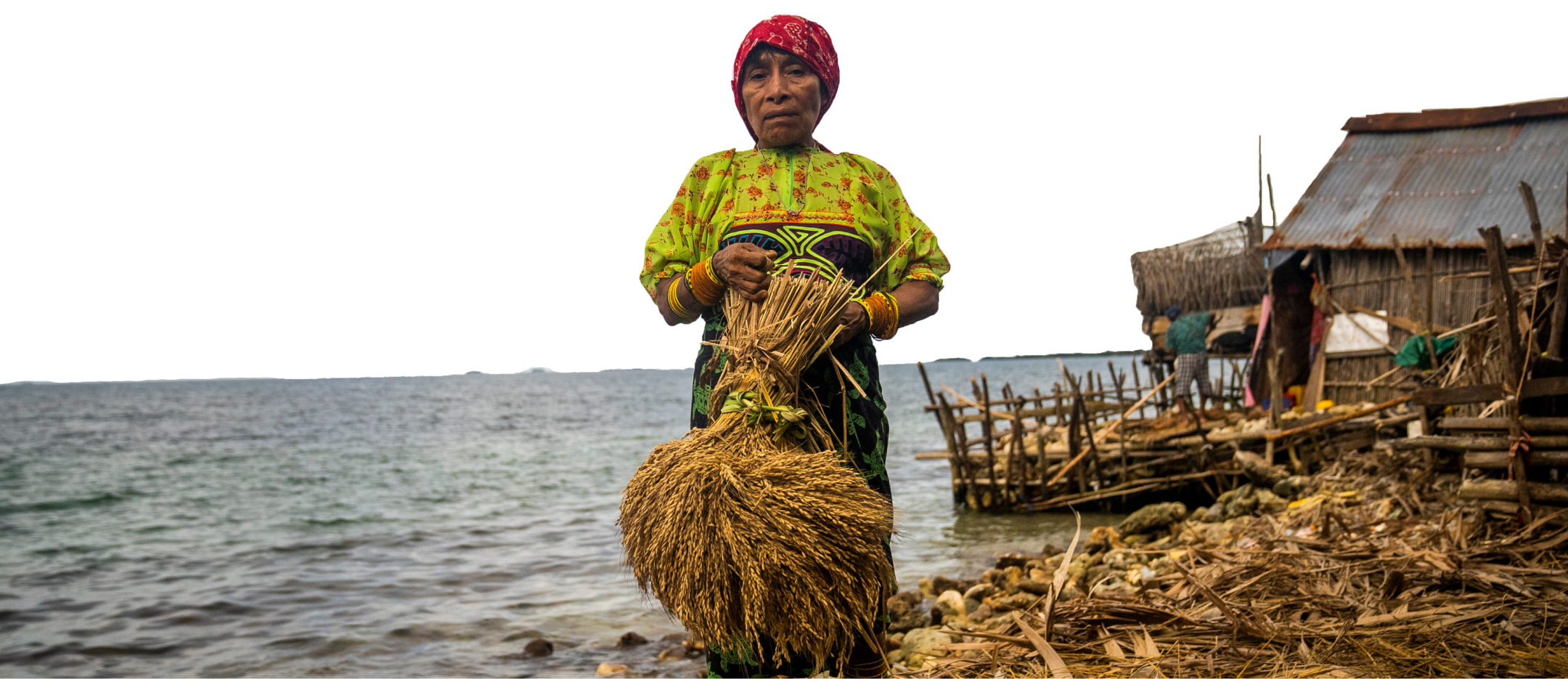
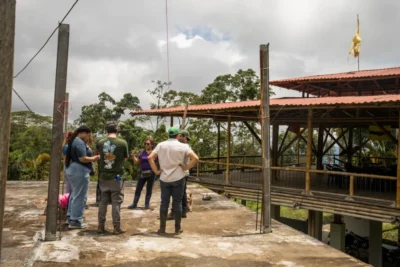
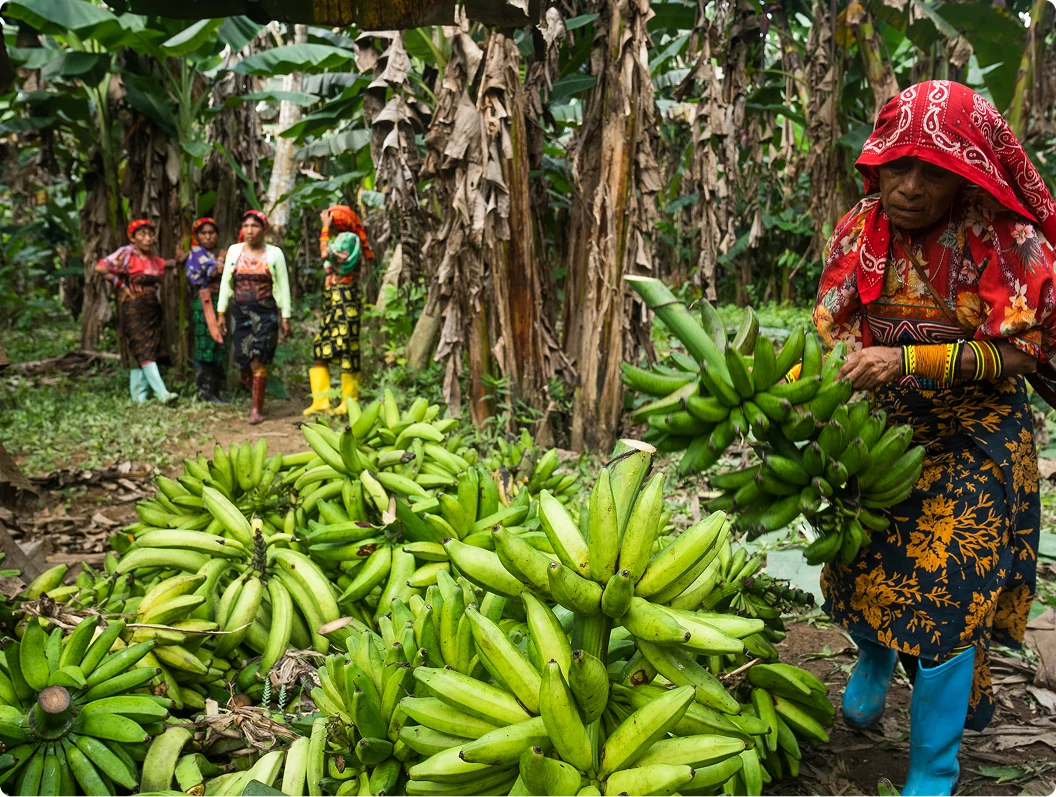
Kuna Yala (Panama)
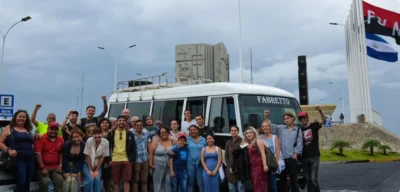
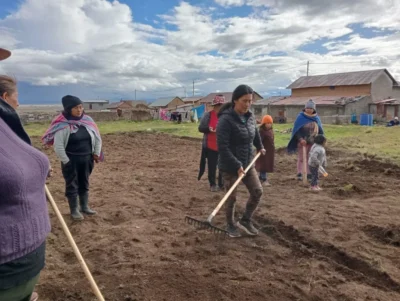
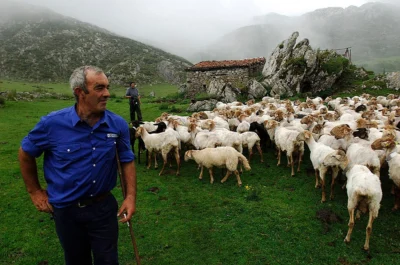

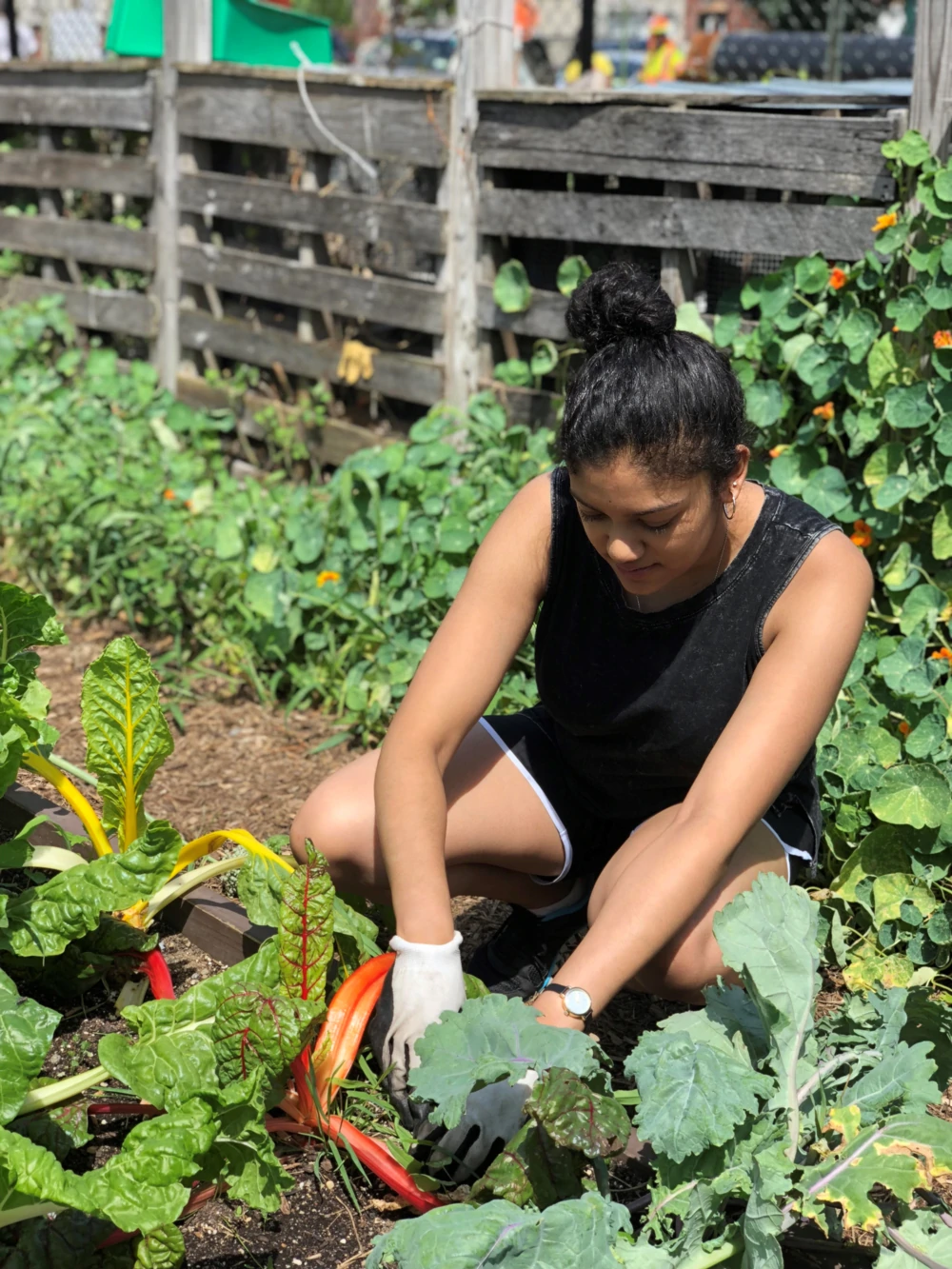
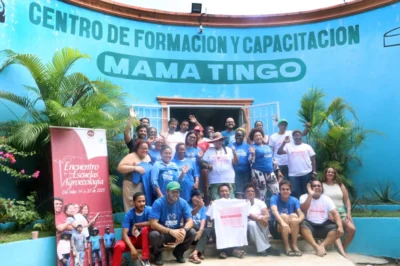
United States
How It Works
The program combines local leadership with global connection:
- Schools receive individual capacity-building grants and technical support from WhyHunger.
- Participants engage in virtual and in-person learning exchanges, workshops and strategy sessions
- Farmers learn by doing and then teach others in their communities
- WhyHunger facilitates cross-regional collaboration and mentorship between movement members and leaders around the world.
Learning in Action: Case Studies
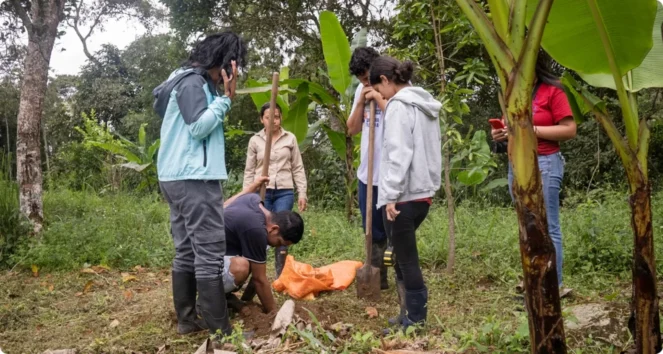
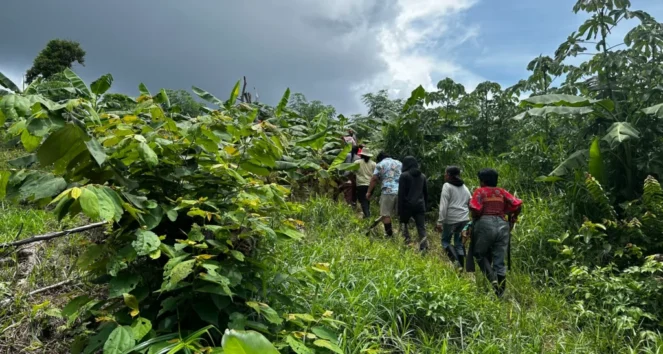
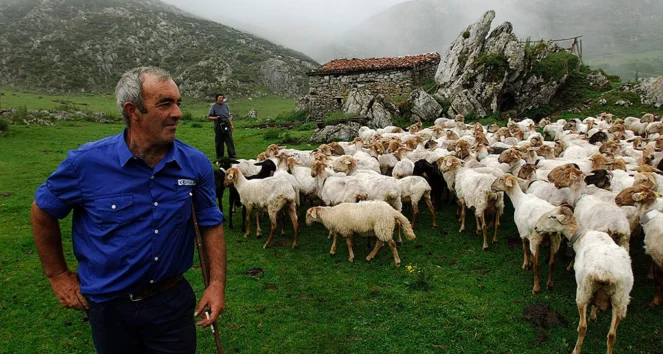
Agroecology is practiced around the world and shaped by the communities who steward it. Here are some of these approaches in action.
Get Involved
Learn how to take action. We don’t need to feed the world; we need to equip communities to nourish themselves long-term. With your support, WhyHunger will continue our work with partner schools around the world to scale sustainable agriculture and increase healthy food access.
WhyHunger’s Role
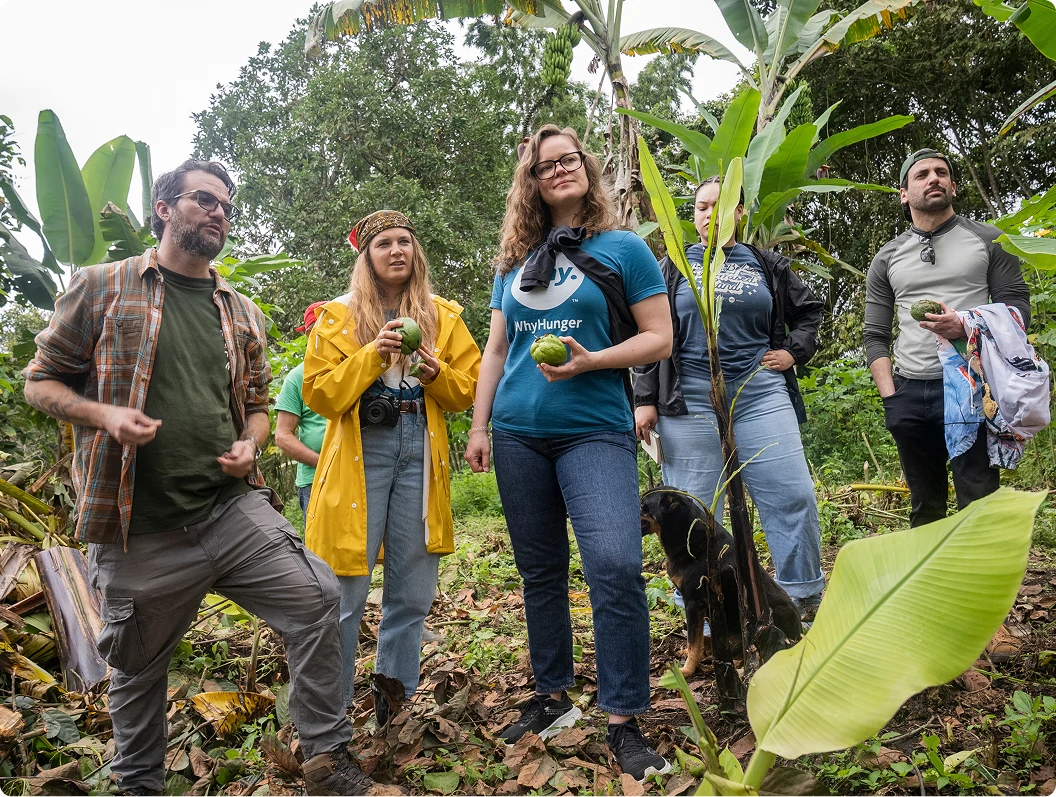
Before this project, many of these schools were already doing transformative work. Through WhyHunger’s Agroecology Schools Project, they expanded their impact by strengthening their educational programs, refining training materials, and connecting with farmers and educators around the world to share knowledge and improve their practices. For newer schools, the project’s funding and peer network provided critical support during their first year.
WhyHunger supported the schools by:
- Providing funding through direct grants and capacity-building resources.
- Facilitating global learning and exchanges.
- Amplifying grassroots leadership and stories.
- Strengthening long-term movement infrastructure.
- Offering interpretation and translation support.
What We’ve Learned
- Solutions can scale. As the network grows, so does a global web of solidarity, learning and sustainable food production. This is a scalable model with significant demand.
- Learning across borders and languages is essential. There are so many farmers around the world who can gain from intentional exchange with one another. Translation, interpretation, and facilitation help make these exchanges possible.
- Relationships drive impact. When students and teachers know that they’re not alone, and that there are others across the globe working just like them to make healthy food more available, they feel stronger, more connected and more hopeful.
- The ripple effect is real. Knowledge spreads far beyond the original cohort; one farmer trained in agroecology can go on to teach a dozen others, spreading change far and wide.