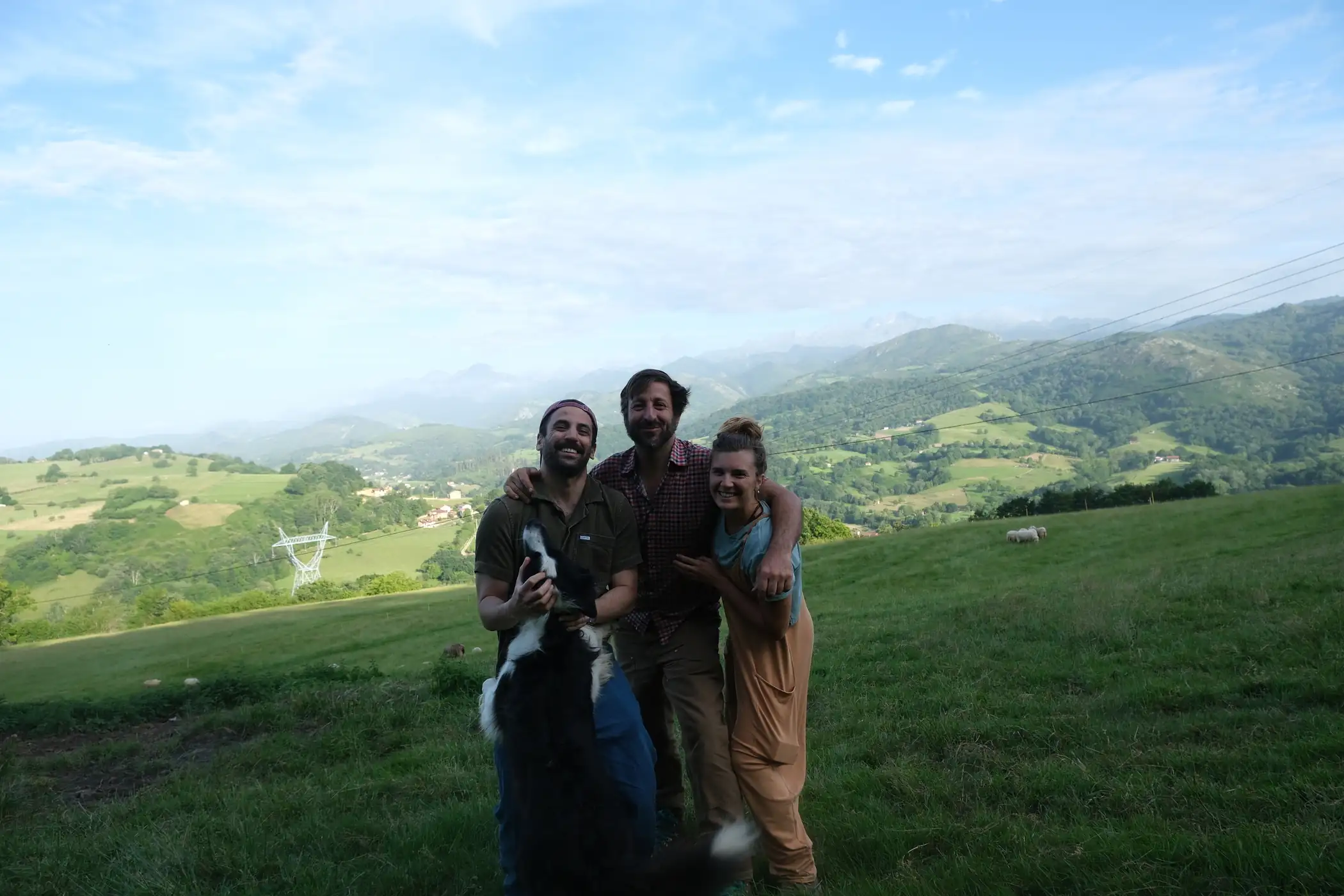
When Fernando García-Dory, coordinator of the Shepherd School in northern Spain, talks about the future of pastoralism, he isn’t speaking only about sheep or grazing lands. He’s talking about people.
He’s talking about generations of shepherds whose knowledge has been shaped by decades of living with the land, knowledge that cannot be fully captured in books or classrooms. He’s talking about young people searching for meaningful livelihoods. And he’s talking about landscapes that have been cared for centuries through the relationship between people, animals, and nature.
Across northern Spain, that relationship is increasingly at risk.
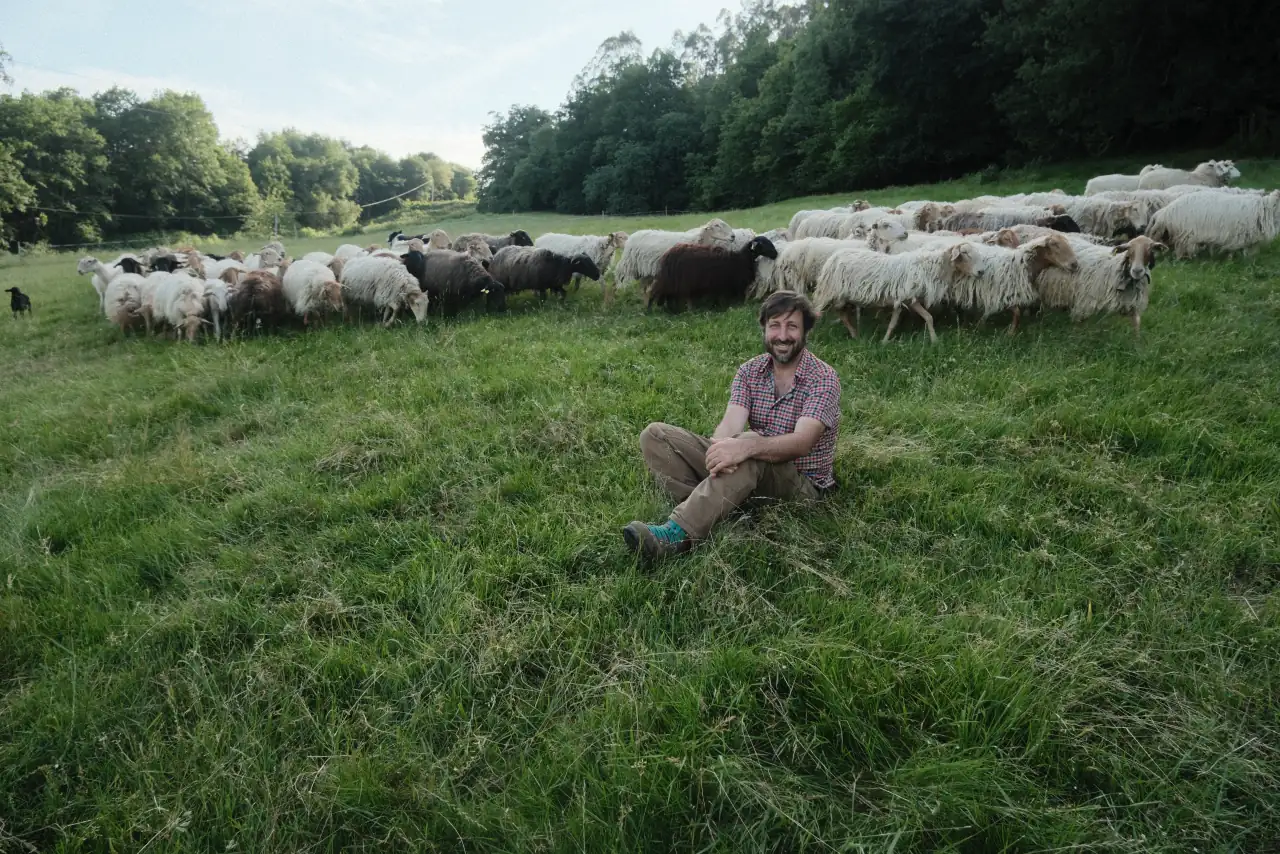
For more than twenty years, the Shepherd School, an educational initiative of Campo Adentro – Inland, has worked to ensure that pastoralism remains a living practice rather than a disappearing tradition.
Through immersive training, mentorship, and community learning, the school connects experienced shepherds with a new generation eager to learn not only how to care for livestock, but how to steward ecosystems, strengthen rural communities, and build resilient food systems.
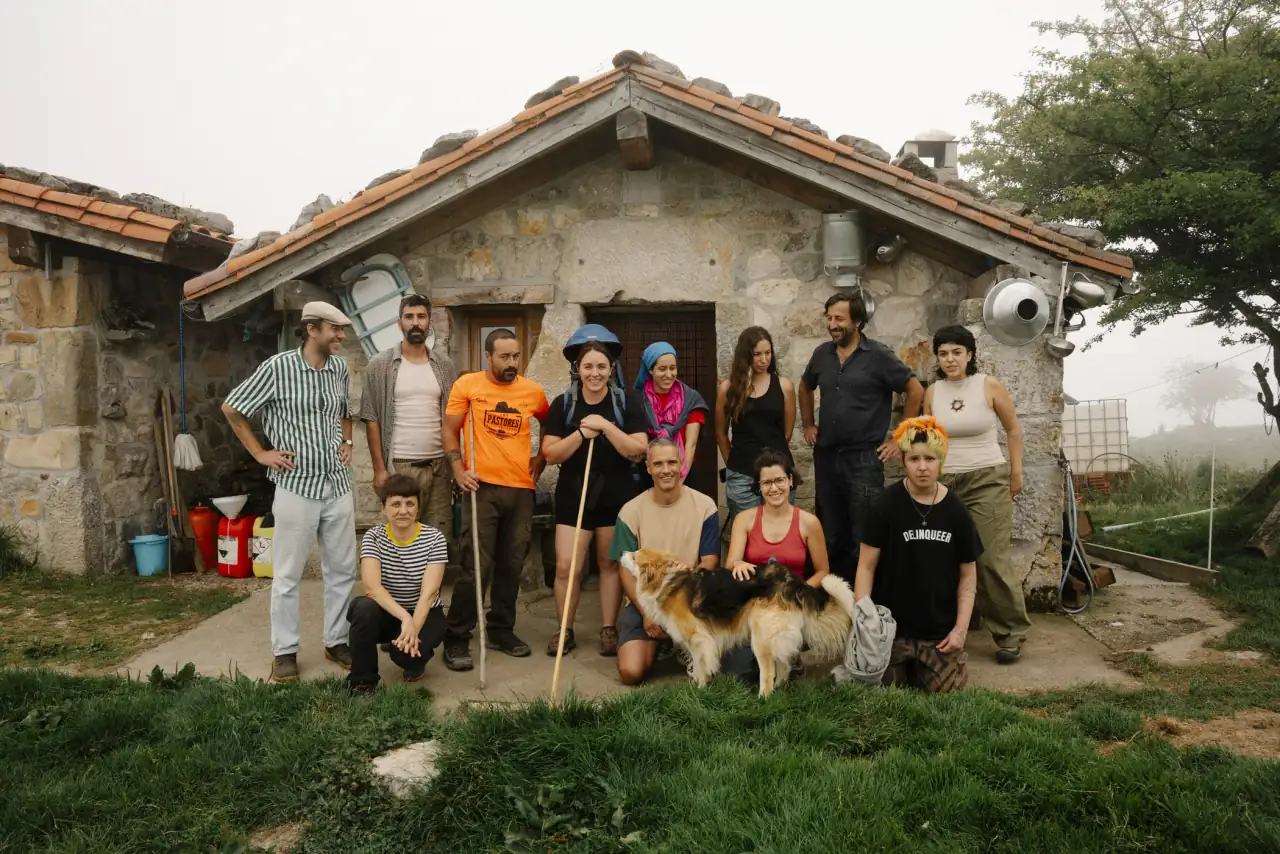
The Shepherd School isn’t simply teaching people how to herd sheep. Students spend weeks living alongside practicing shepherds, learning to make cheese, care for animals, understand mountain ecosystems, and navigate the realities of rural life. They experience long days, changing weather, and the responsibilities that come with caring for both animals and landscapes.
For many participants, this is their first opportunity to reconnect with a way of life their families left behind generations ago. As Fernando explains, many young Europeans interested in farming no longer have parents or grandparents who can teach them these skills. The Shepherd School helps rebuild that connection before invaluable knowledge disappears.
“The elders are living libraries, and we cannot afford to lose them.”
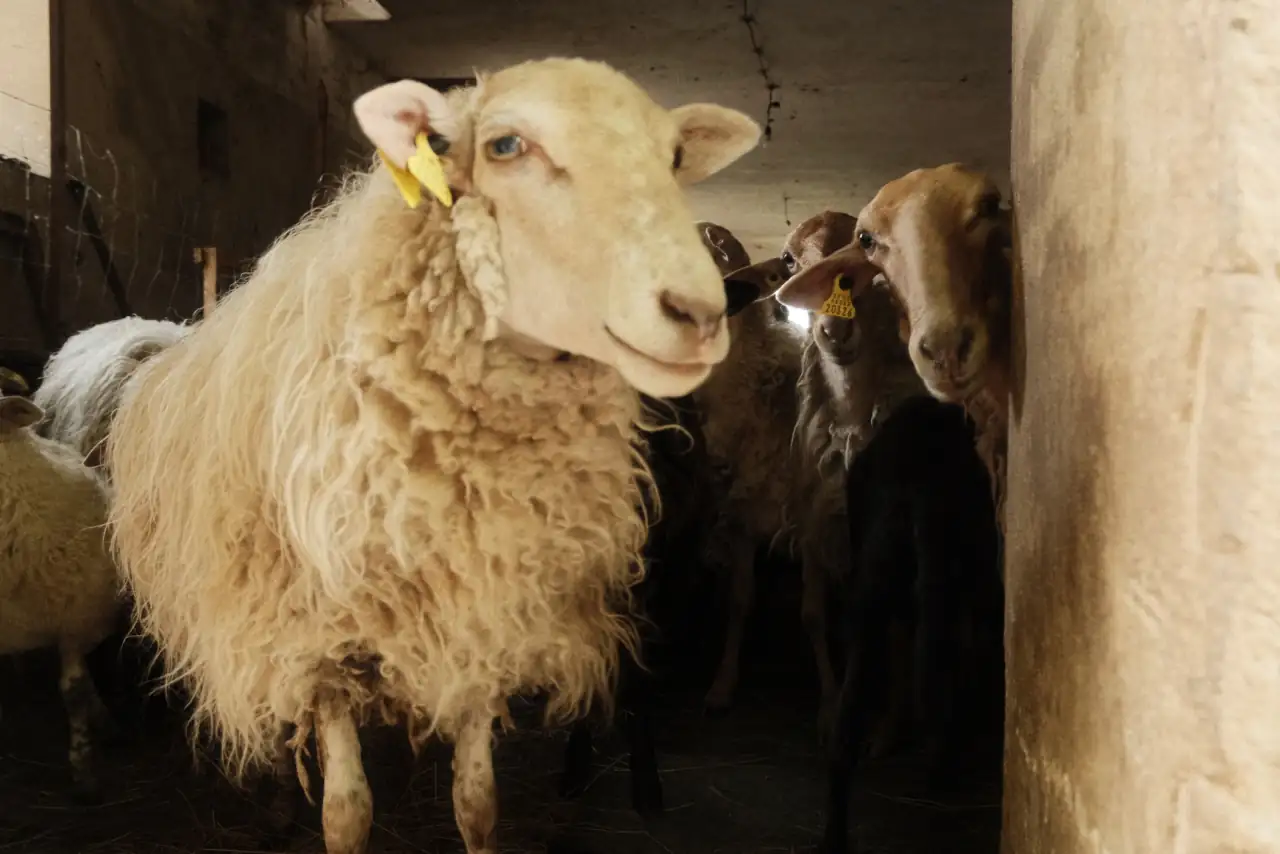
Pastoralism Is Part of the Solution
While pastoralism is often viewed as an occupation of the past, the Shepherd School sees it as an essential practice for the future.
Healthy grazing systems help to:
- reduce wildfire risk,
- protect biodiversity,
- prevent soil erosion, and
- produce nutritious food in landscapes where conventional agriculture is difficult or impossible.
Around the world, millions of people depend on mobile pastoralism to sustain both livelihoods and ecosystems. In a time of accelerating climate change, these traditional practices offer valuable lessons in resilience, adaptation, and environmental stewardship.
“Pastoralism isn’t something left behind in history. It’s part of the solution to the climate crisis.”
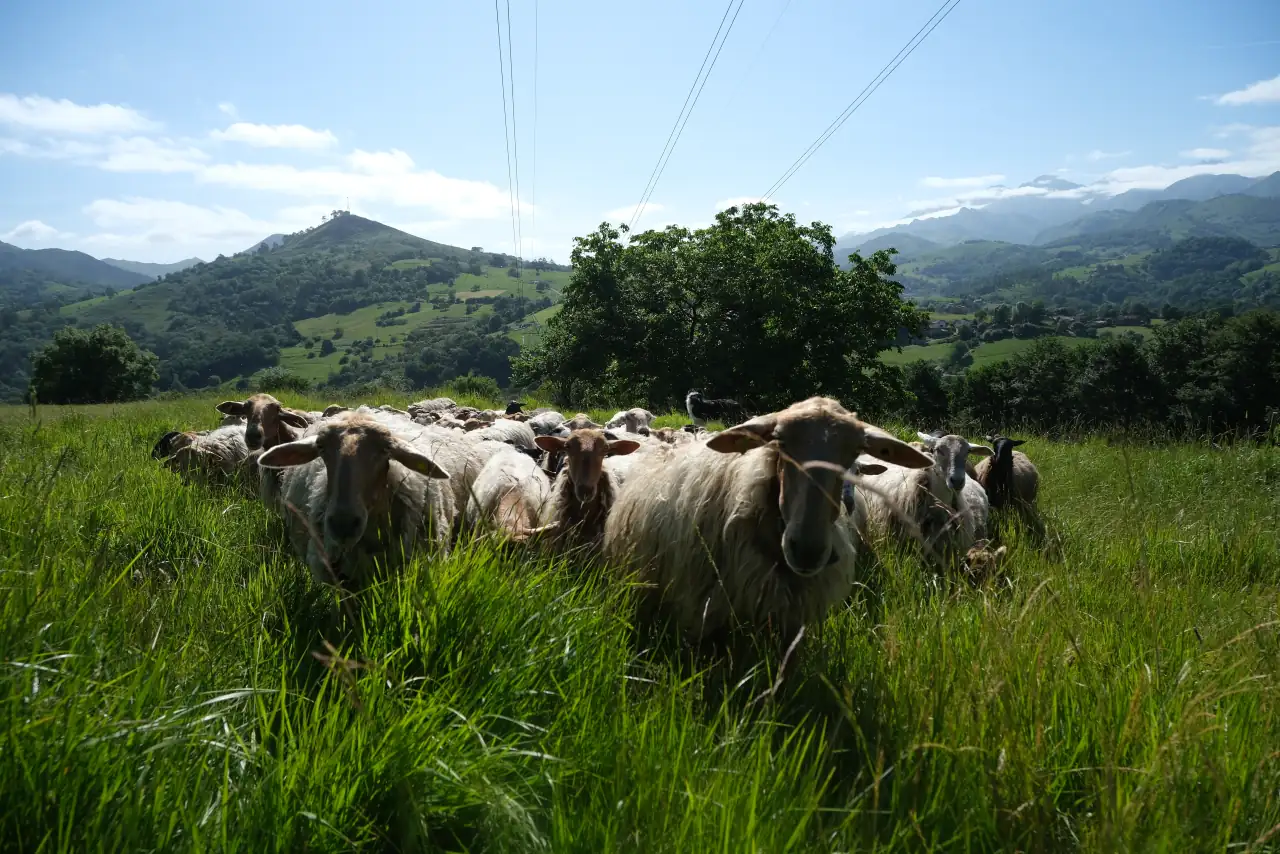
From Local Landscapes to a Global Movement
While the Shepherd School is rooted in the mountains of northern Spain, its impact reaches far beyond its local community through its connection to the World Alliance of Mobile Indigenous Peoples and Pastoralists (WAMIP). Founded in 2003 by representatives of mobile Indigenous Peoples and pastoralist communities from four continents during the Fifth World Parks Congress in Durban, South Africa, WAMIP was established to unite pastoralist voices and advocate for the rights, livelihoods, and cultures of communities whose lives depend on mobility and the sustainable stewardship of rangelands.
Today, WAMIP is a global social movement representing over 200 pastoralist organizations and mobile Indigenous communities across nearly 50 countries . Together, its members work to protect land and mobility rights, preserve traditional knowledge systems, and ensure pastoralists have a meaningful voice in global conversations on food systems, climate, biodiversity, and land governance.
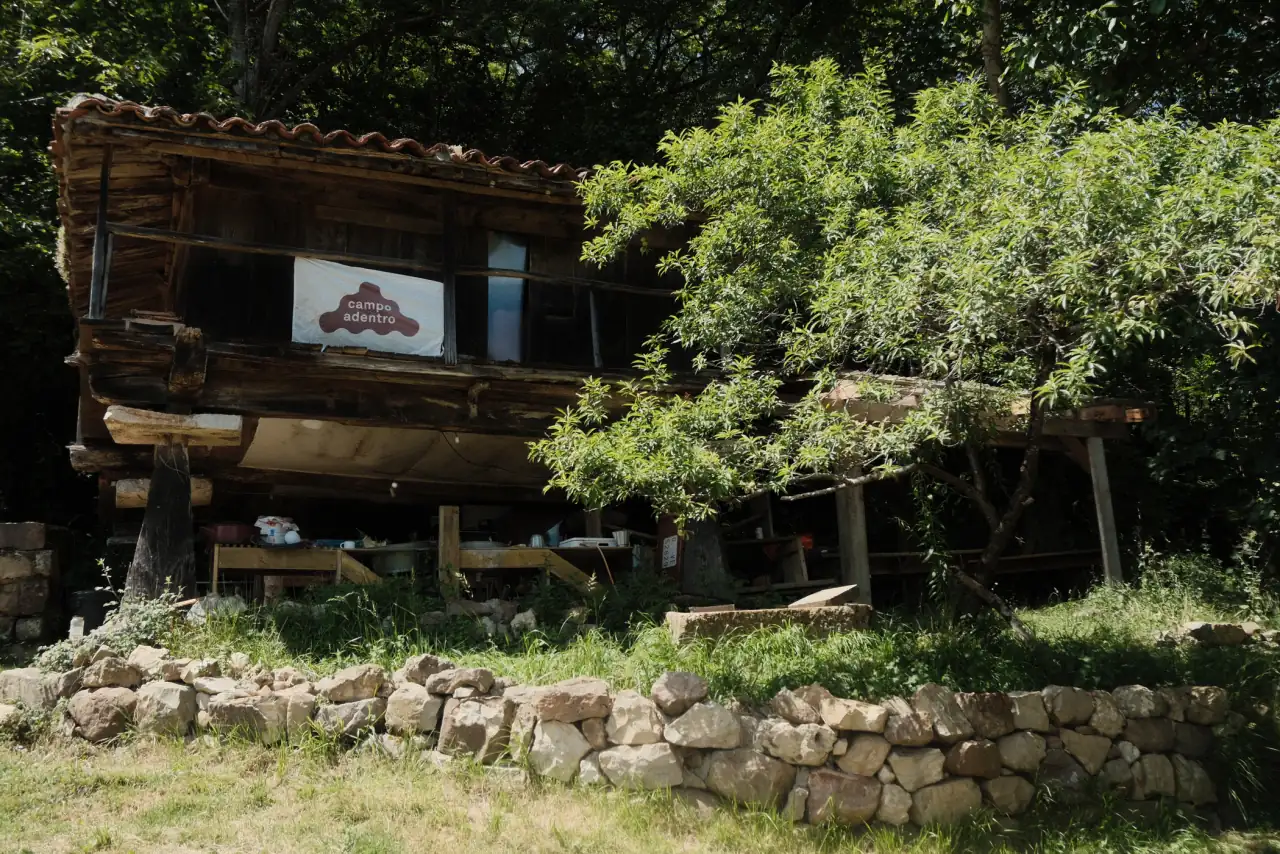
As one of WAMIP’s key educational and organizing spaces in Europe, Campo Adentro’s Shepherd School transforms these global goals into local action. Under Fernando’s stewardship, the school not only trains the next generation of shepherds but also serves as a gathering place where pastoralists from around the world exchange knowledge, strengthen solidarity, and build collective strategies for the future.
Through WhyHunger’s partnership with Campo Adentro and WAMIP, students and educators become part of a growing international movement demonstrating that pastoralism is not a disappearing tradition, but a living, evolving practice that strengthens food sovereignty, protects biodiversity, preserves cultural knowledge, and helps communities adapt to a changing climate. Supporting the Shepherd School means investing in the next generation of pastoralist leaders while strengthening a global movement working toward more just, resilient, and sustainable food systems.
Learning Across Movements
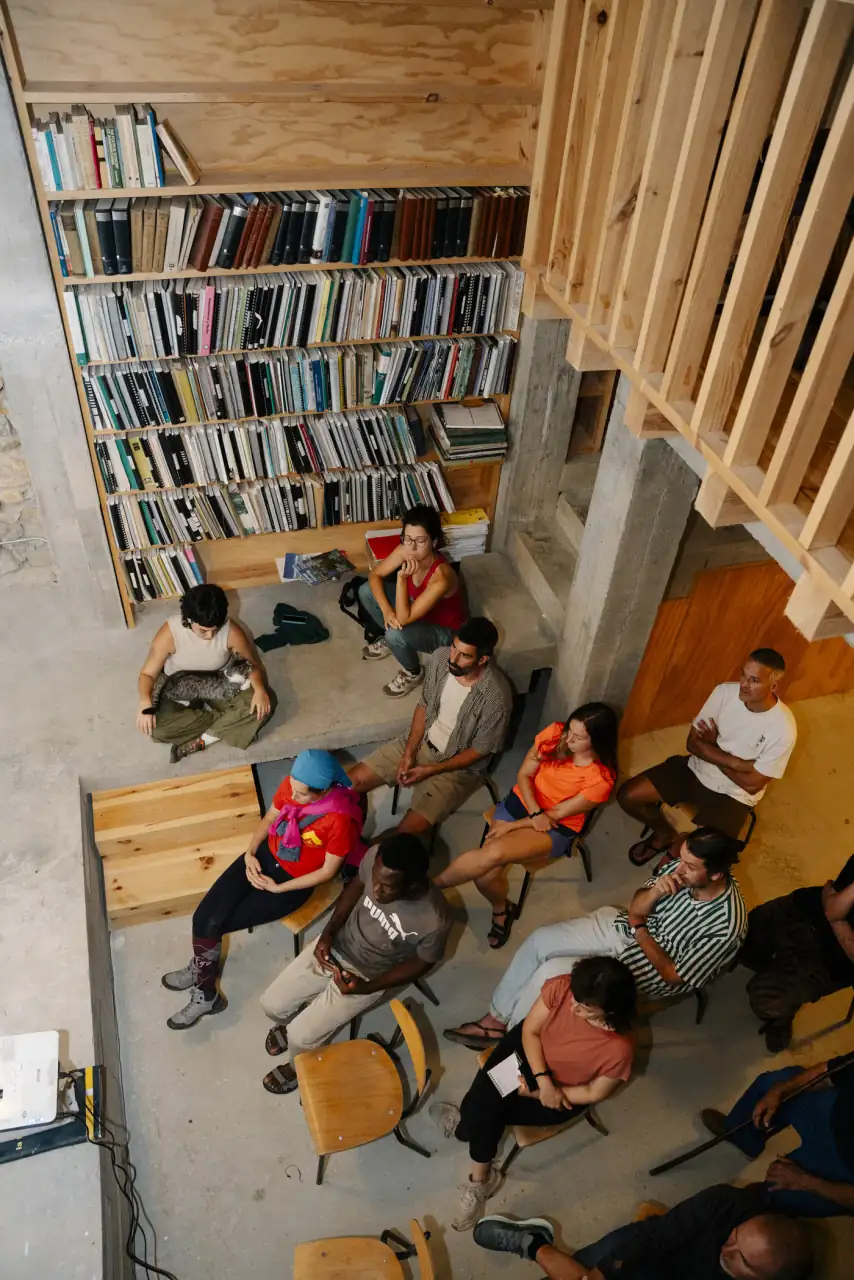
The Shepherd School’s participation in WhyHunger’s Agroecology School Cohort has further expanded this exchange of knowledge. Bringing together pastoralists, peasants, Indigenous communities, fisherfolk, and agroecology educators from around the world has reinforced a simple but powerful idea: while landscapes and cultures may differ, communities face many of the same challenges, share many of the same goals, and have much to learn from one another.
Fernando describes participating in the network as transformative, providing opportunities to rethink education, strengthen movement-building, and learn from organizations that have spent decades developing farmer-to-farmer and community-led approaches to knowledge sharing. These exchanges continue to inspire new collaborations, educational materials, and visits between schools, strengthening the global movement for food sovereignty.
“Despite the diversity—from Thailand to Europe—we realized we shared the same objective: inspiring the next generation.”
One of the Shepherd School’s most important contributions is expanding how people think about agroecology. Too often, agroecology is associated only with crop production. But pastoral landscapes are also agroecosystems: living systems shaped through the relationships between people, animals, forests, grasslands, and biodiversity.
The school encourages traditional pastoral knowledge and scientific research to work together rather than compete. By combining generations of lived experience with new ecological research, pastoralist communities continue adapting to changing climates while maintaining the cultural practices that have sustained them for centuries.
A Living School
Today, the Shepherd School is expanding both its reach and its physical home.
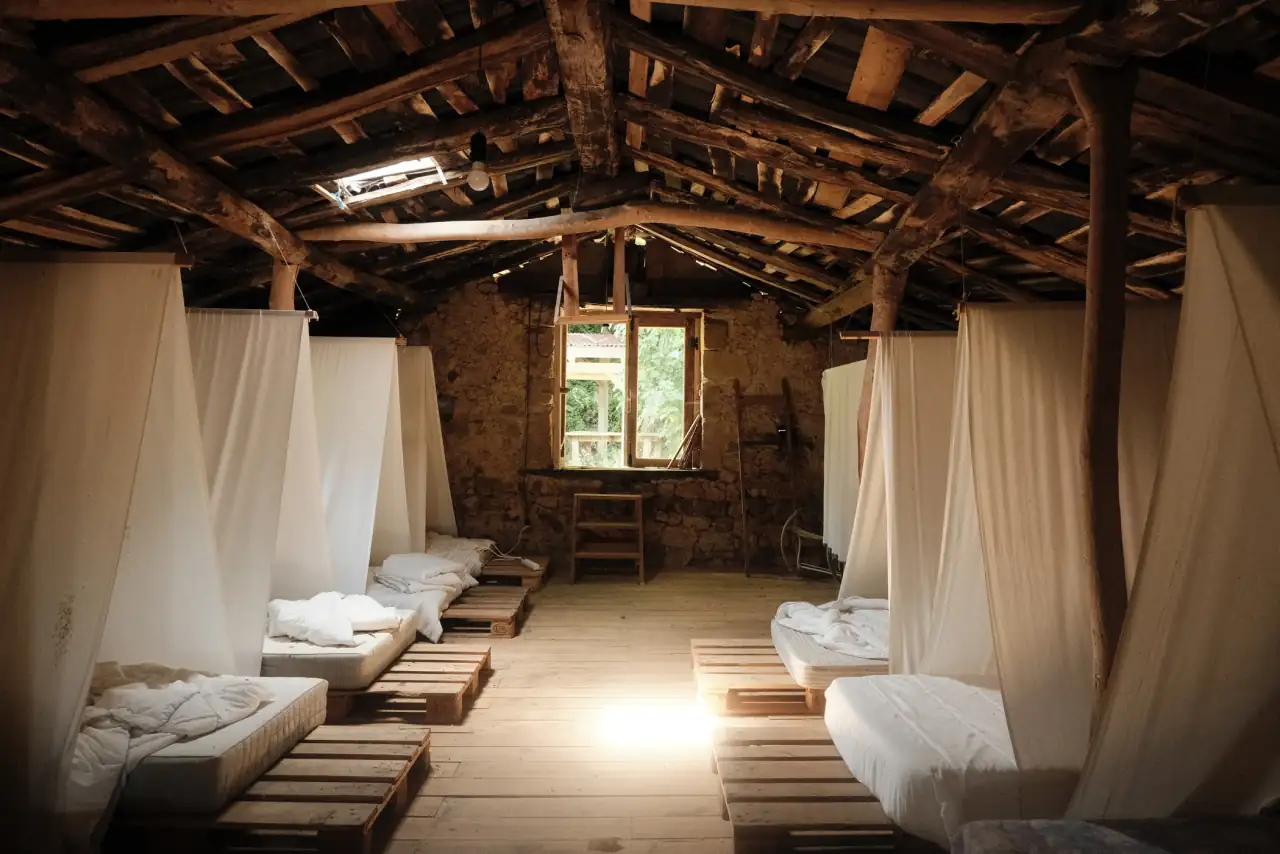
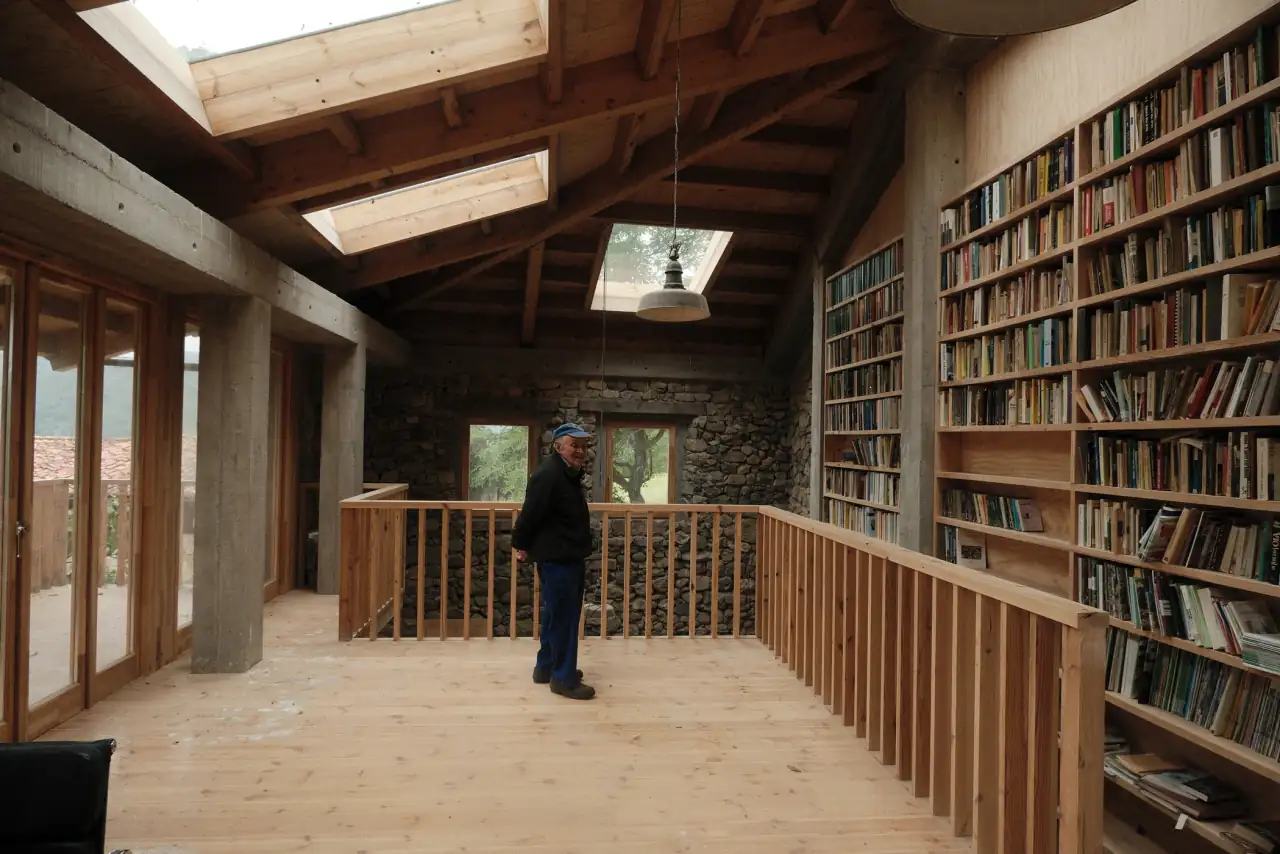
New learning spaces, including a library, classrooms, dairy facilities, and communal gathering areas, allow students to spend more time immersed in the educational experience while creating spaces where elders, students, and community members can continue learning together. To help students prepare for the realities of pastoral life, the school has built a “shepherd simulation hut,” where they learn what it means to sleep in tight quarters, build and maintain a fire for warmth, and become comfortable with the unfamiliar sounds of the night.
These investments reflect the school’s broader vision: education is not simply about transferring information. It is about creating relationships, strengthening communities, and ensuring that knowledge continues to evolve across generations.
Building Food Sovereignty Together
For WhyHunger, partnerships like Campo Adentro and WAMIP demonstrate that food sovereignty is about more than increasing food production. It requires protecting the knowledge, cultures, relationships, and movements that sustain local food systems.
From the mountains of northern Spain to pastoralist communities across Africa, Asia, Latin America, and beyond, these communities are showing that traditional knowledge and collective action remain essential tools for building a more just and resilient future. By investing in education, movement-building, and community-led leadership, the Shepherd School and WAMIP are helping ensure that pastoralism continues to thrive—not as a practice of the past, but as a vital pathway toward food sovereignty, climate resilience, and healthy ecosystems for generations to come.