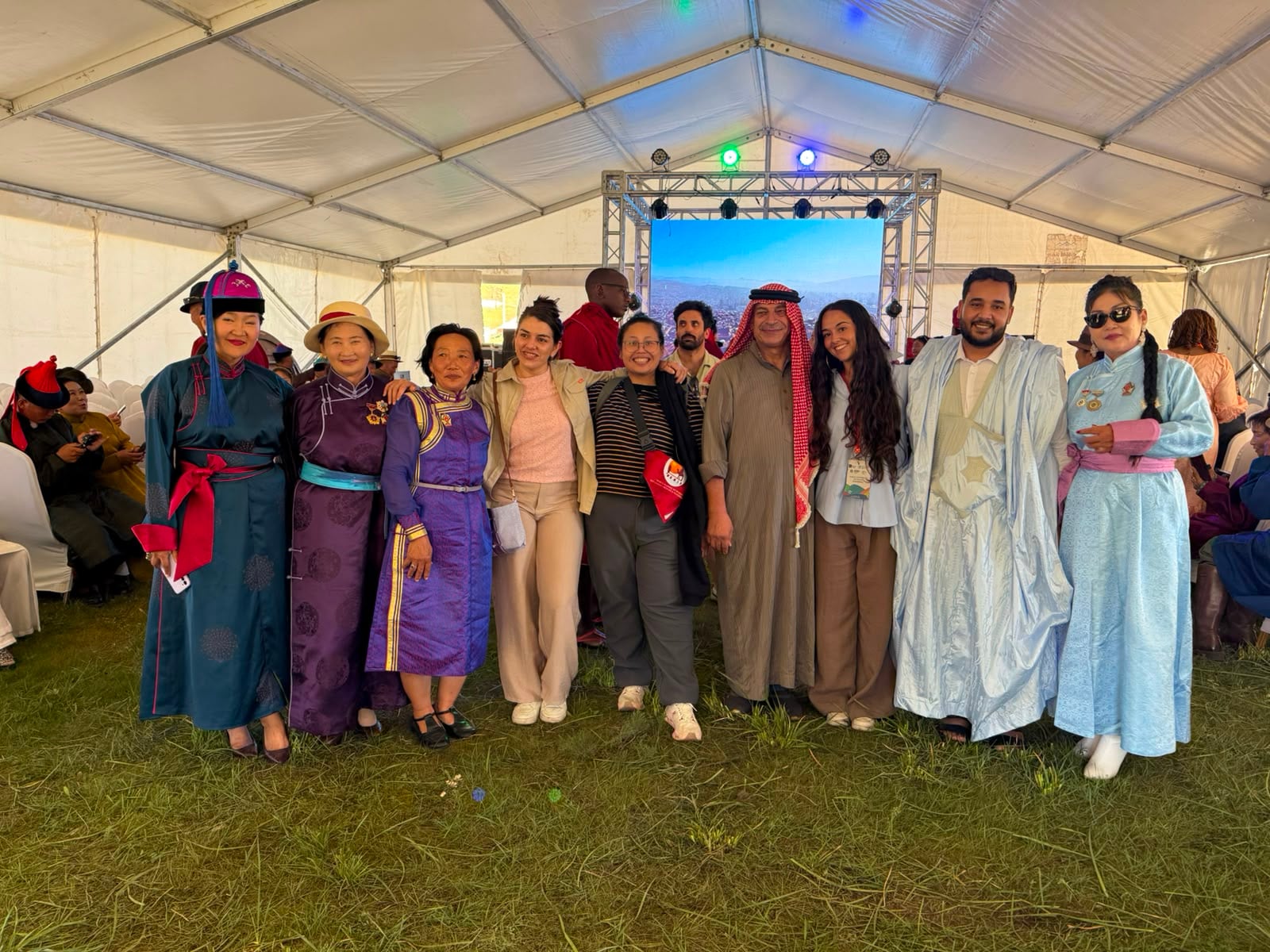
In August 2026, WhyHunger joined pastoralists from around the world in Mongolia during the International Year of Rangelands and Pastoralists (IYRP). Over 400 delegates came together across languages, landscapes and cultures around a shared reality: pastoralist communities are critical to the health of the world’s rangelands and food systems, yet too often remain excluded from decisions about the lands and resources they have stewarded for generations.
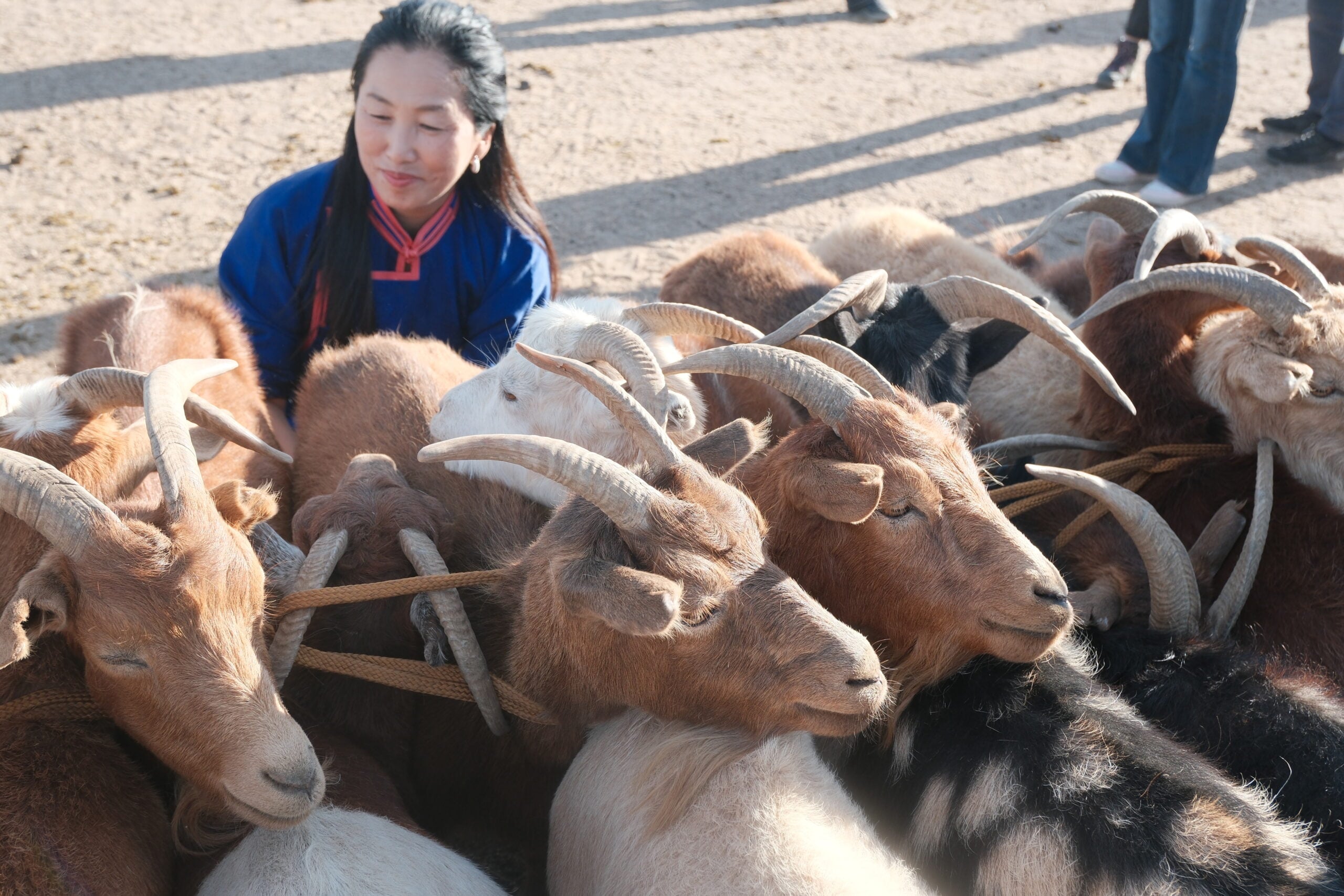
For WhyHunger and our partners at the World Alliance of Mobile Indigenous Peoples and Pastoralists (WAMIP), the gathering was an opportunity to do more than attend an international conference. It was a chance to spend time on the land with Mongolian herders, exchange knowledge across pastoralist communities, strengthen relationships, and create a space where pastoralists themselves could define their priorities and speak collectively about their futures.
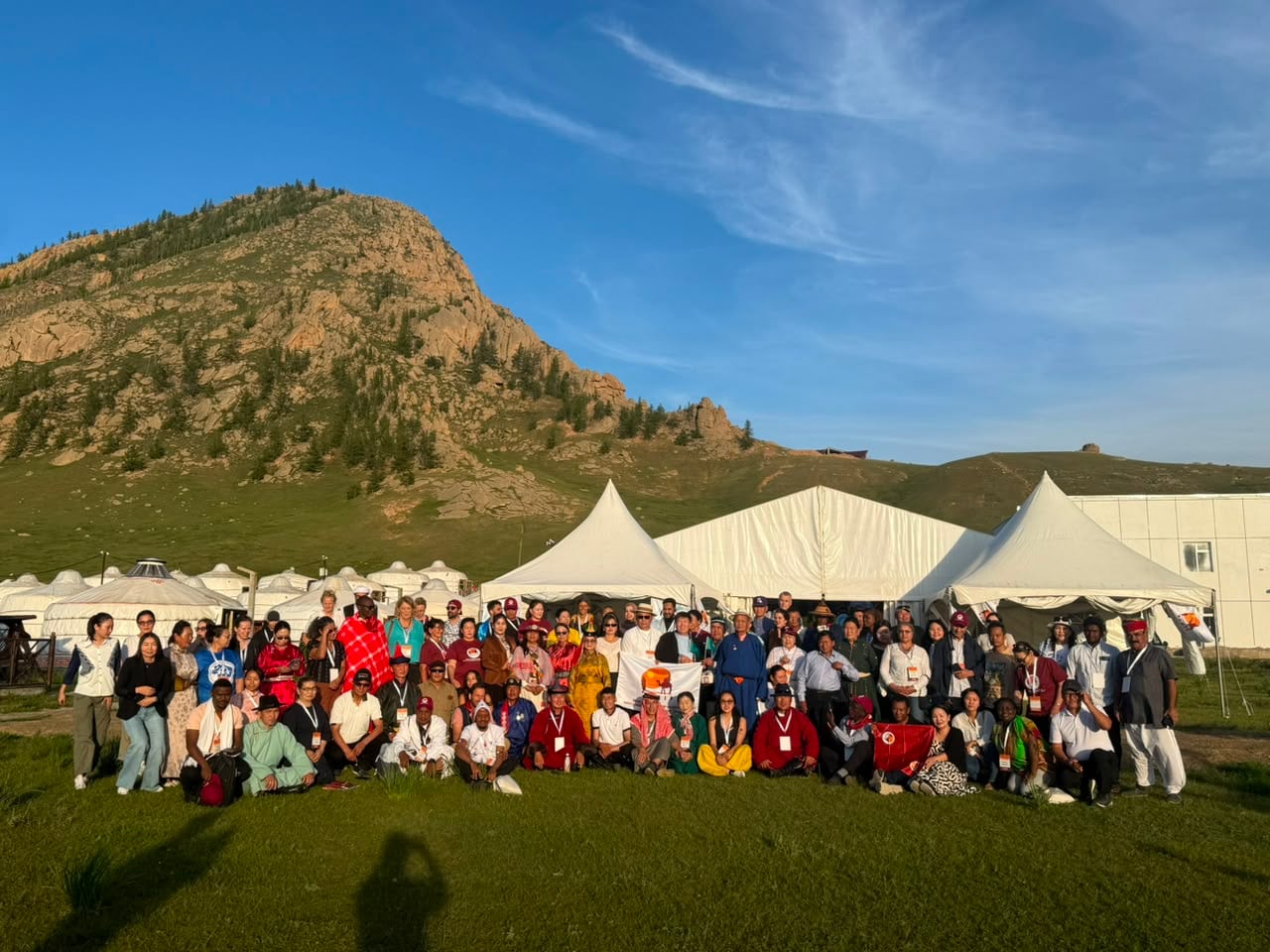
The journey culminated on August 16 at the WAMIP’s World Pastoralist Assembly (WPA) in Gorkhi-Terelj, Mongolia, where more than 130 pastoralists and allies representing WAMIP’s nine regions came together in a pastoralist-led space for dialogue, solidarity and collective action.
Learning From the Land
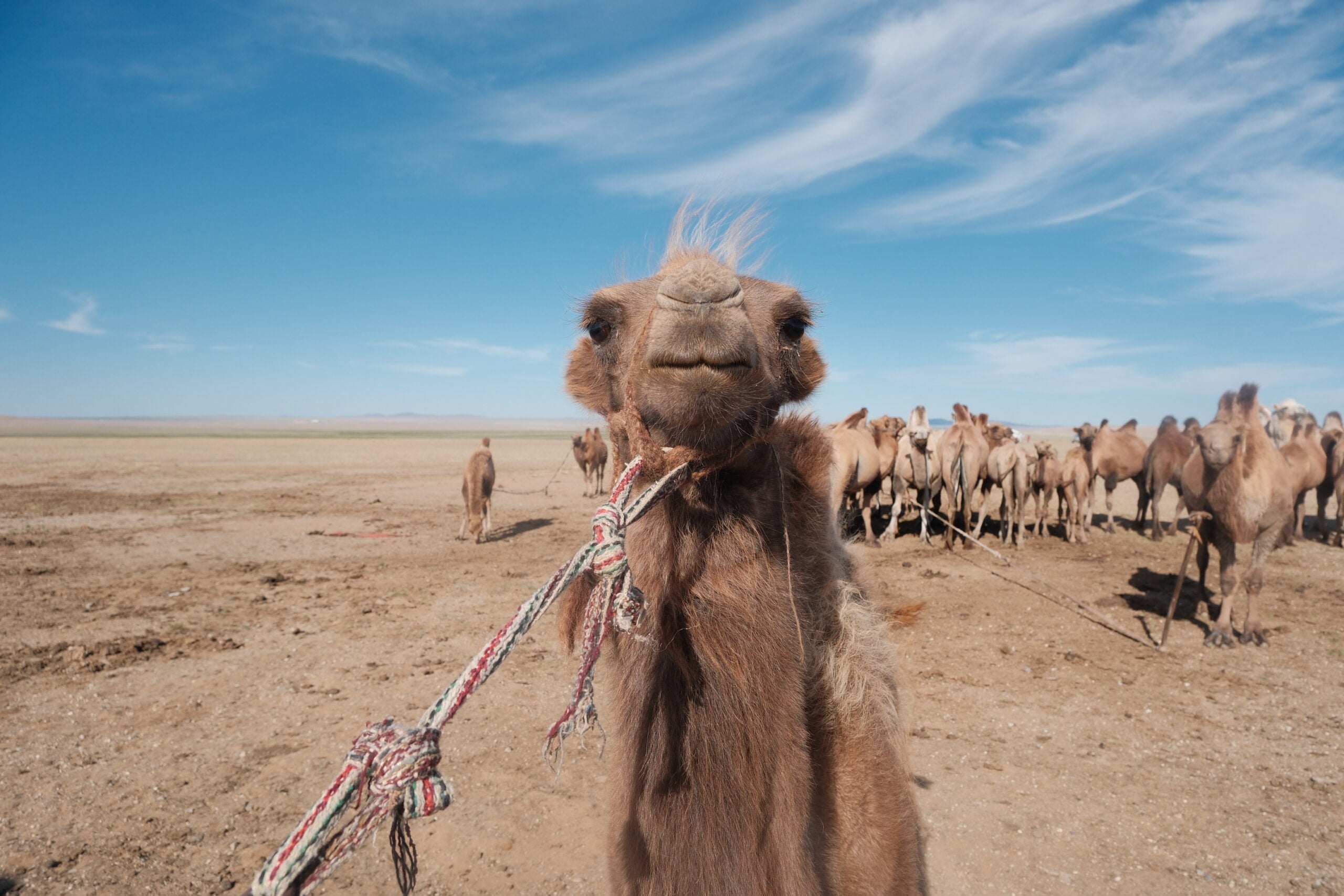
Before entering conference rooms, we spent several days in Govisümber and surrounding pastoralist territories learning directly from Mongolian herders. We learned about rangeland management and animal husbandry, spent time with camels and livestock, shared traditional foods, slept beneath Mongolia’s enormous night skies and exchanged experiences about what pastoralism looks like across different parts of the world.
Despite enormous differences in geography, from deserts and grasslands to mountains and forests, we recognized something familiar in one another’s relationships with land and animals.
For Saraa, a Mongolian lawyer who advocates for pastoralists’ rights, that relationship is also deeply personal. She grew up in Bulgan soum in Ömnögovi Province, Mongolia, where pastoralism was part of everyday life.
“I grew up in the countryside, with livestock,” she said. “I spent my childhood herding animals with my grandmother.”
That upbringing shaped the way she understands the relationship between people, animals and territory.
“Our livestock graze freely on the land,” she explained. “They find the good grasses themselves and take that nourishment into their bodies, and through those animals that food comes to us. It is all a chain. The health of the land, the health of the animals and the health of people are inseparable.”
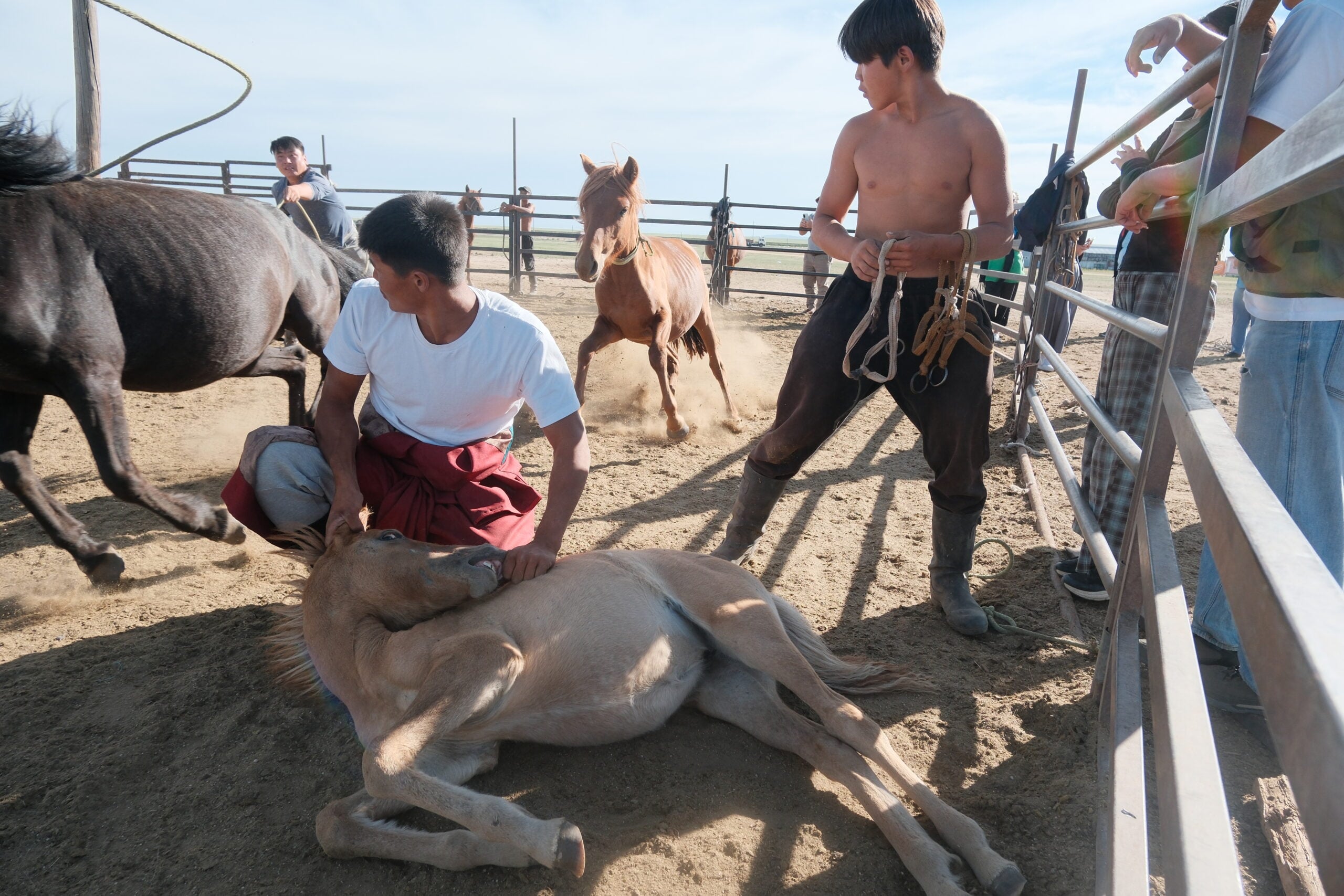
For Ellen Heuser of ‘Får til Kanten in Denmark, pastoralism similarly transformed how she sees the landscape. After growing up in Copenhagen and spending years in cities, a chance encounter with a shepherdess introduced her to a life she never expected. Today, she describes pastoralism through one word: reciprocity.
“If I should say what pastoralism means to me,” Ellen explained, “it is reciprocity.”
It is reciprocity with the land and animals, but also with other people and “the heritage and cultural history of the ancestors.” That relationship changes what it means to simply move through a landscape.
“If I just come as an outsider and roam through a landscape, I don’t really see it and understand it,” she said. “Through shepherding, it’s another way to feel the landscape and experience it.”
Pastoralist knowledge grows from that kind of close observation: generations of understanding animals, water, weather, plants and landscapes. Mobility allows herders to respond to seasonal changes in water and pasture, while collective stewardship helps sustain livelihoods, food systems and biodiversity.
From the Grasslands to the Global Stage
Following the field visits, we traveled to Ulaanbaatar for the Global Pastoralist Gathering, part of the International Year of Rangelands and Pastoralists. The gathering brought international attention to pastoralism and the importance of rangelands. But it also highlighted one of the central questions pastoralist movements continue to confront: who gets to speak for pastoralists?
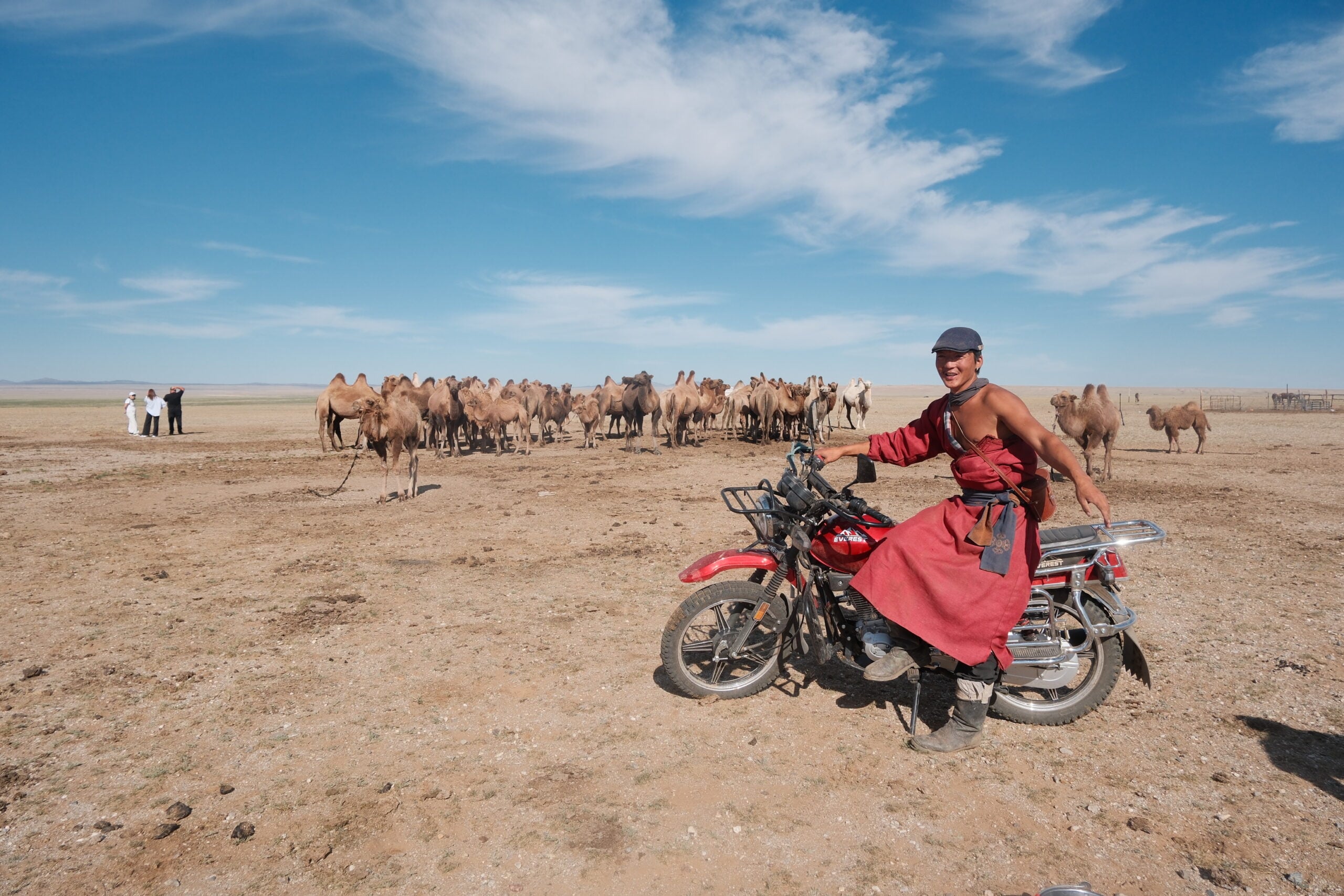
Those questions became particularly immediate as Mongolian herders shared concerns about pressures on their own territories. For Saraa, protecting pastoralism cannot be separated from protecting the land, water and resources that make pastoral life possible.
“Protecting our land, protecting our livestock, protecting our water, protecting the environment—and, in the bigger picture, protecting our nomadic heritage and culture—means protecting ourselves.”
That relationship also shapes how she thinks about her own identity and Mongolia itself.
“I cannot say that I love myself if I don’t love my livestock, my land and my nomadic heritage,” she said. “I cannot say that I love Mongolia. All of these things are interconnected.”
Saraa also questioned why communities that have sustained these relationships for generations continue to struggle for recognition of their rights.
“Why today are the rights of nomadic herders considered at such a low level?” she asked. “Why are Indigenous peoples’ land rights being violated so much?”
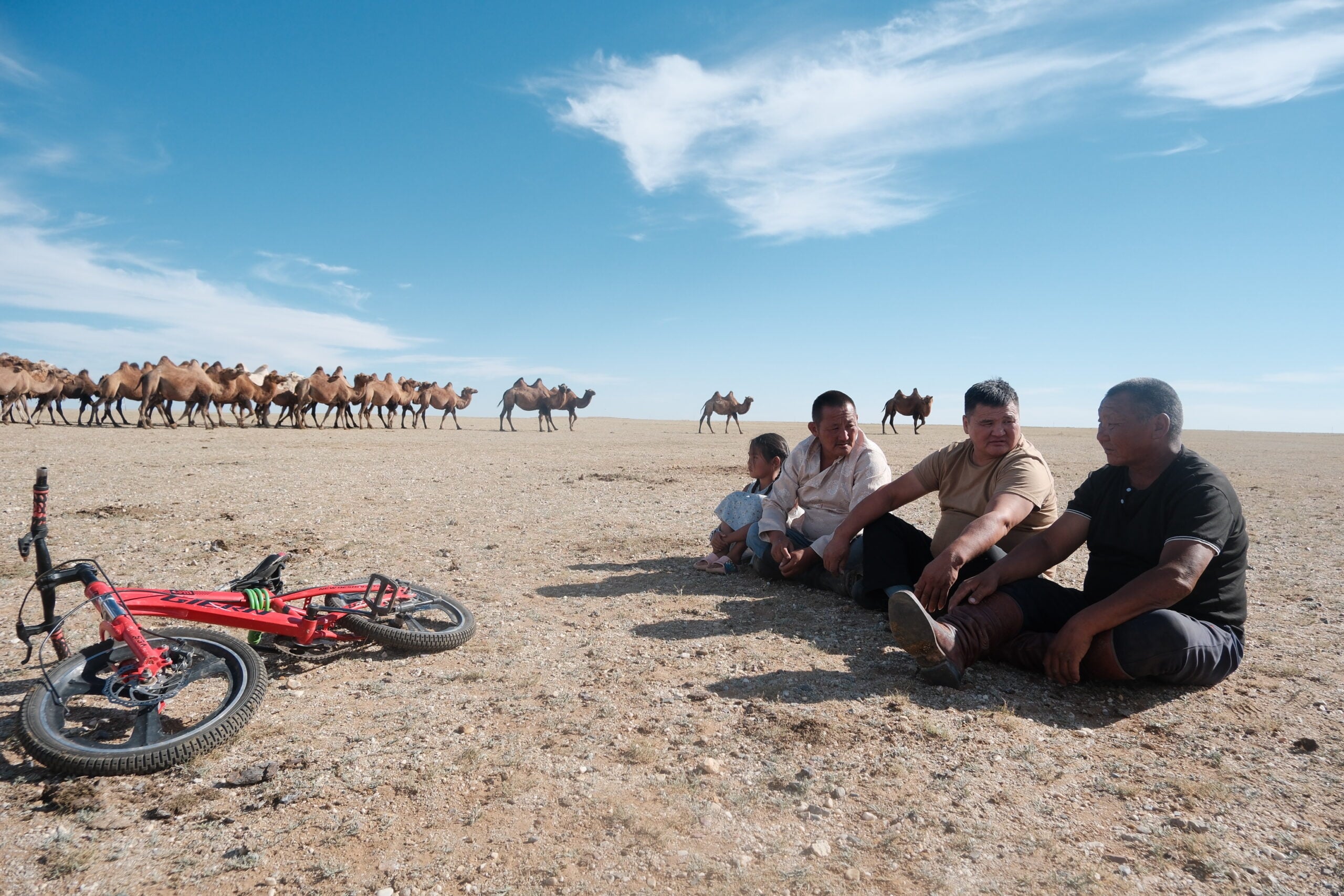
These concerns extend far beyond Mongolia. The Ulaanbaatar Declaration, developed through the gatherings surrounding IYRP and the World Pastoralist Assembly, identifies the continued loss and fragmentation of grazing lands through mining, infrastructure, agricultural expansion, urbanization and other large-scale developments as challenges facing pastoralist communities around the world. It also lays out shared priorities that pastoralists intended to carry into UNCCD COP17 and beyond.
A Space of Their Own
When the World Pastoralist Assembly began on August 16, it was clear that the gathering was designed to work differently from international spaces where pastoralists may be invited to participate but have little control over the agenda.
At WAMIP’s basecamp in Gorkhi-Terelj, more than 130 pastoralists and allies gathered in a space led by pastoralists themselves. People could speak openly about what was happening in their territories, listen to experiences from other regions, challenge one another and identify the priorities they wanted to carry collectively into global decision-making spaces.
For Bhavana Desai of the Pastoral Women Alliance in India, those conversations were inseparable from the role women already play in sustaining pastoralism. Bhavana comes from a livestock-rearing community in Gujarat, where animals are woven into family life, festivals, rituals and traditions. She described how, when a daughter marries, her family may give her sheep so she can continue raising and preserving the breed in another region. Knowledge, animals and culture move together from one generation to another.
And women, Bhavana explained, are central.
“Women are the center of pastoralism. They not only take care of the livestock, they pass our traditional knowledge to the next generations so that they will continue this pastoralism.”
Bhavana remembers learning from her own mother to taste buffalo milk and recognize from its flavor which grasses the animals had grazed. Women also sell milk and navigate local markets, meaning knowledge about animals, landscapes and livelihoods is learned through everyday experience.
Her story also expanded the question of who holds pastoralist knowledge. It lives not only in formal institutions or policy spaces, but in practices passed between generations and carried out every day.
Different Territories, Shared Struggles
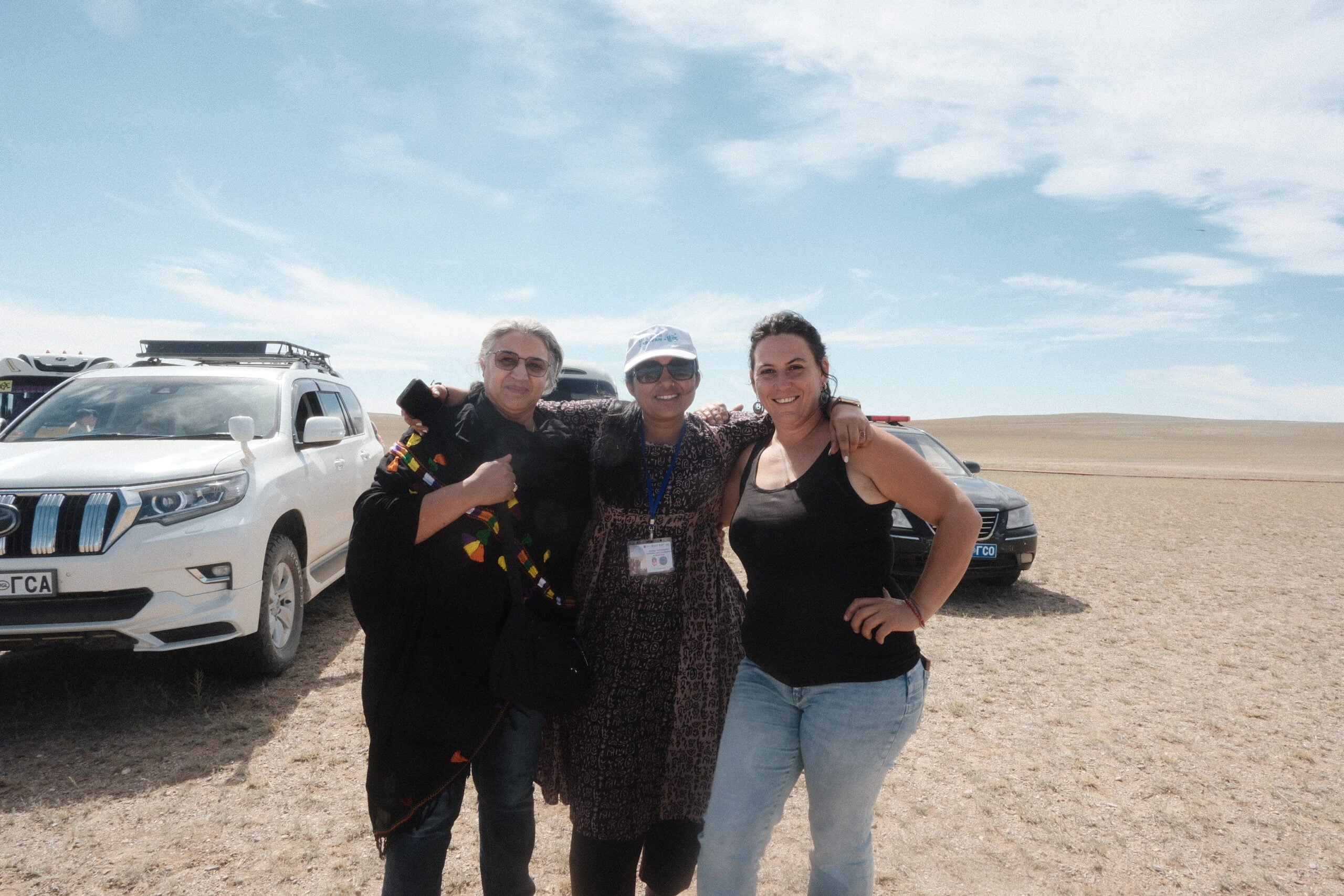
The landscapes represented in Mongolia were remarkably different, but many of the challenges some of the pastoralists described were connected: access to land and water, the ability to move with animals, climate change, extractive industries, recognition of Indigenous and traditional knowledge, food sovereignty, and the meaningful participation of women and youth in decision-making.
For Yevette Adams of the Alliance for Pastoralists in Ghana, mobility is not an abstract concept. As a member of the Fulani community and a sheep farmer , she described how some pastoralists in Ghana move with the seasons. During the dry season, when grazing becomes scarce in the north, herders may travel south with their animals in search of pasture, returning as the rains begin. Yevette has experienced that movement herself, grazing animals across Ghana, Togo and Burkina Faso. But she also described the discrimination and barriers Fulani pastoralists can face in accessing land, documentation and public services.
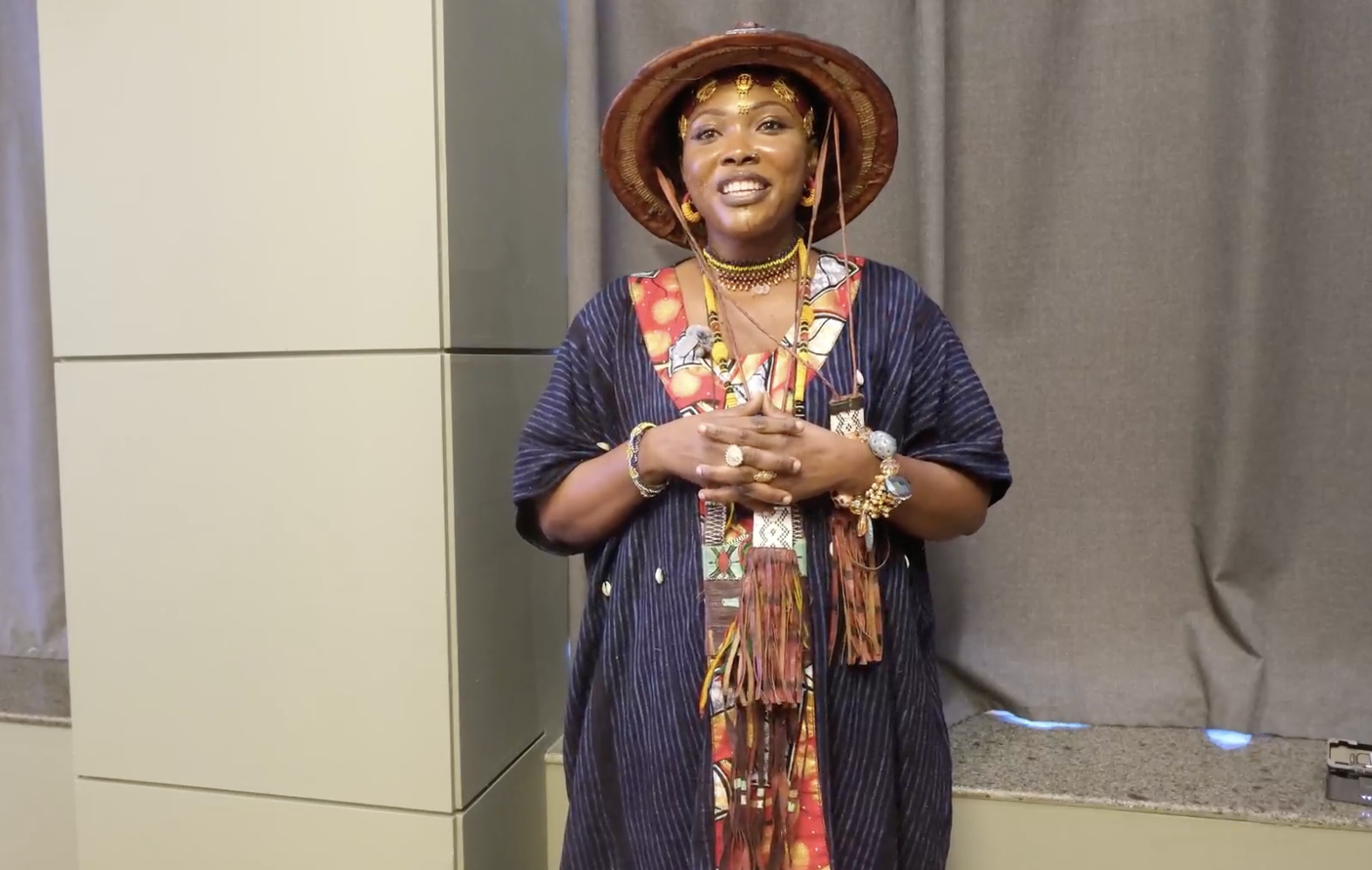
At the heart of her message was a call to be included in decisions that directly affect pastoralist communities:
“We need our voices to be heard,” she said. “We want to be present in all the decision making as well.”
For Yevette, protecting pastoralism also means protecting the Indigenous knowledge that allows communities to continue it while creating space for younger generations to innovate.
“I stand firm to say Indigenous practices would be the one to maintain our cultural heritage, our biodiversity, our language,”
she explained, emphasizing the importance of involving young people so that knowledge and culture can be passed to generations yet to come.
Her experience puts a human story behind one of the central themes raised throughout the gathering: mobility, land and political representation are deeply interconnected. The ability to move animals means little without access to grazing land, and access to land remains precarious when pastoralists themselves have little say in the decisions governing it.
For Rhoda Seriana of Pastoralists Resilience Development Initiative (PAREDI), Kenya, the need for greater recognition is similarly urgent.
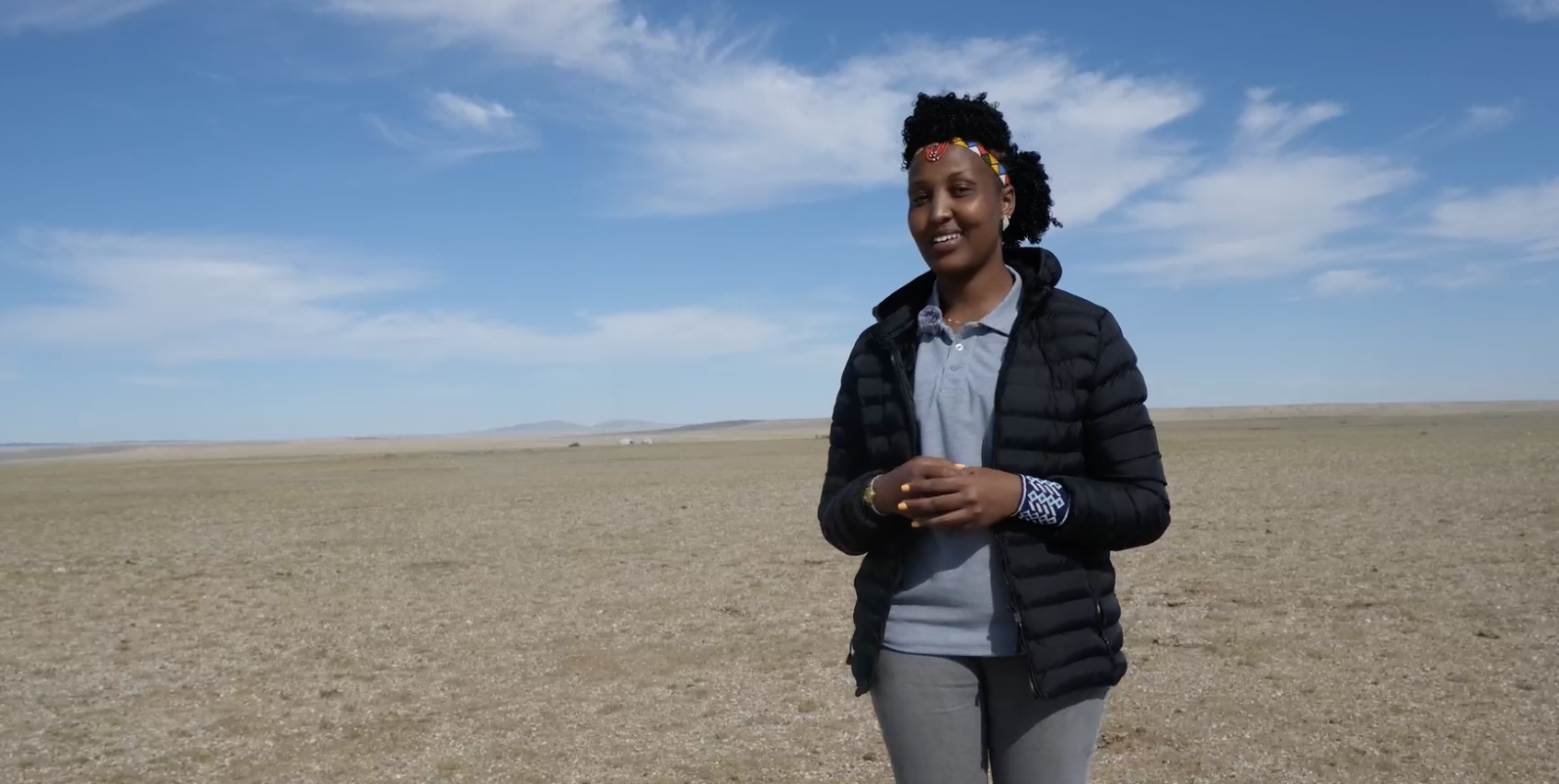
“People do not even take pastoralism as a big sector that supports all other sectors worldwide,” she said. “And we need our voice to be heard. We need pastoralism to be supported fully. “
In her community, cattle, camels, goats and sheep remain central to people’s livelihoods alongside farming and wildlife protection.
But Rhoda also emphasized that protecting pastoralism requires making room for the people who will carry it forward.
“Youth and women must be supported and allowed to be in their decision-making platforms globally,” she said, “and policies and actions should align for pastoralism to thrive.”
Together, these experiences show that although the details differ from one territory to another, many pastoralist communities are asking for the same fundamental things: access to the land and resources they depend on, recognition of their knowledge, and a meaningful voice in decisions affecting their futures.
Pastoralism Is Not a Thing of the Past
Underlying many of these struggles is another challenge: the assumption that pastoralism belongs to the past. Nancy Nieman, PhD., of Scripps College in the United States, came to pastoralism almost accidentally. While researching food sovereignty in Gujarat, India, she connected with an organization working with pastoralist communities and became involved in projects documenting changing migration routes, women’s knowledge and the enclosure of shared lands.
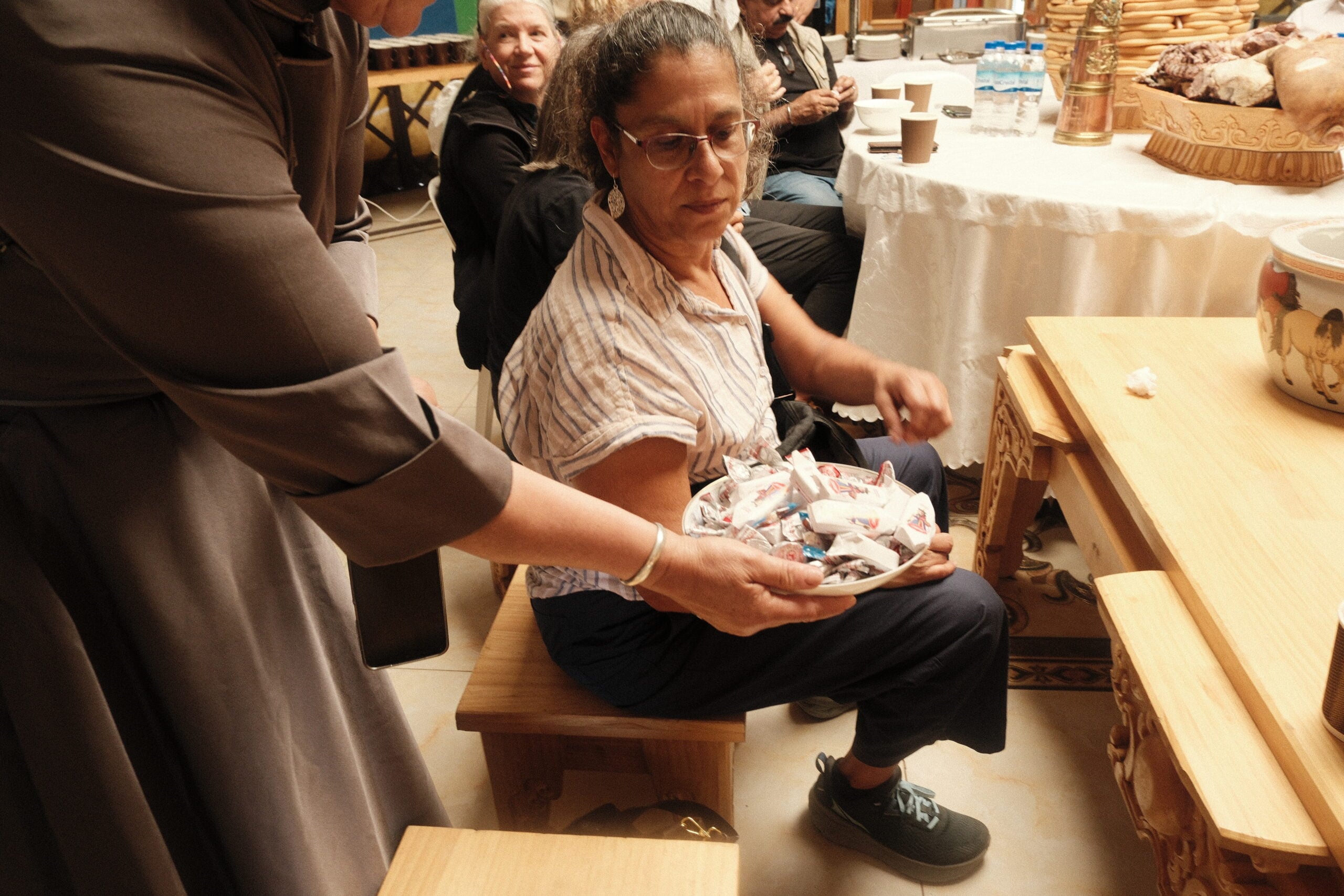
Years later, that work has changed how she understands pastoralism and its place within the broader food sovereignty movement. “I think people see pastoralism as an outdated way of living,” Nancy explained, comparing that perception to the way subsistence agriculture is often treated as something that must disappear for modernization to occur.
But she argues that this framing gets the story backward.
“Both subsistence agriculture and pastoralism are actually necessary for the current moment,” she said. “The problems the world is facing can actually be addressed with this. It’s a solution rather than… ‘let’s protect these people’s old way of life so that we can remember our history.’”
Saraa offered a distinctly Mongolian way of thinking about that tension between history and progress.
“When we replace our old shoes with new ones, we can never deny the memories of the journeys those old shoes carried us through, or the footprints they left behind.”
For Saraa, moving toward the future does not require abandoning the knowledge and relationships that sustained people in the past. Instead, understanding that history is part of recognizing the rights and knowledge of pastoralists and Indigenous peoples today.
That idea was echoed repeatedly throughout the gathering. Pastoralist knowledge is not static. It is continually adapting as communities respond to changing climates, landscapes, markets and political conditions. As Ellen put it,
“We can learn very well from the past in order to actualize [it] in a very efficient way right here, right now, and in the future.”
Together, these perspectives challenge the idea that the choice is between tradition and progress. Instead, they ask a different question: What knowledge already exists within pastoralist communities, and what becomes possible when that knowledge is valued rather than displaced?
Turning Collective Knowledge Into Collective Action
The conversations in Mongolia were not happening in isolation. They were building toward a major political moment: the 17th Conference of the Parties to the United Nations Convention to Combat Desertification (UNCCD COP17), which began in Ulaanbaatar the day after the World Pastoralist Assembly. Governments, civil society, Indigenous Peoples, pastoralists and other actors gathered to negotiate and advance action on land degradation, drought and rangelands.
The timing gave pastoralists an opportunity to carry the priorities developed through their own organizing directly into an international policy space. Having a seat at international forums is about more than visibility. It is about having a meaningful role in the decisions that shape their lands, livelihoods and futures.
Isaya Oolepose Laizar, a pastoralist and member of the Maasai community in Ngorongoro, Tanzania, put that demand plainly:
“One thing I would like to say to the United Nations is this: Allow pastoralists to participate where policies and laws are being made,” he said. “We are governed by laws that were created without us being there.”
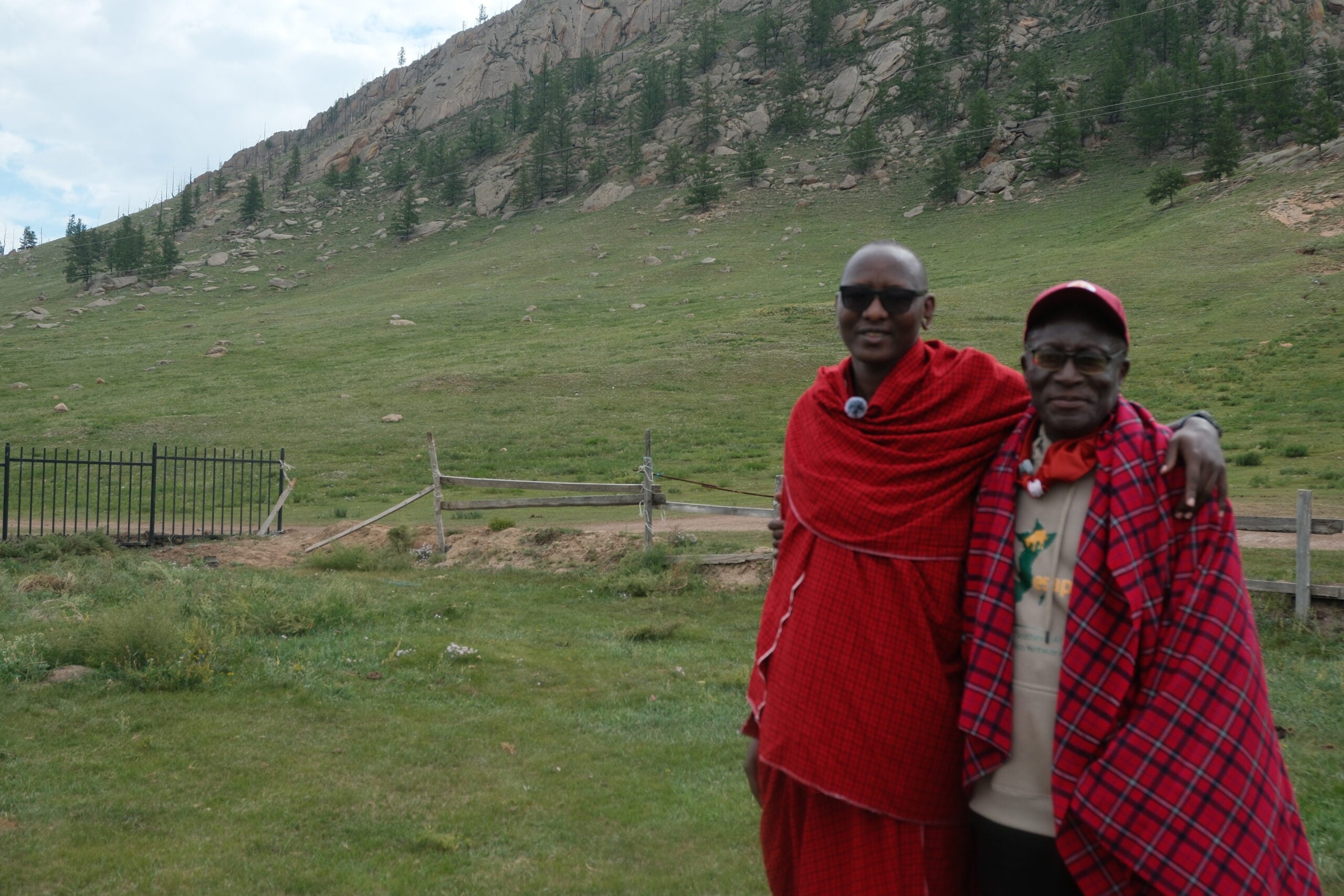
For Isaya, the importance of participation is also connected to pastoralists’ role as environmental stewards.
“Without pastoralists, there is no environment,” he said. “We are extremely important when it comes to protecting the environment.”
The World Pastoralist Assembly was not simply preparation for another UN meeting. It was an opportunity to turn experiences from individual territories into a shared political agenda—and build structures capable of carrying that work forward. The declaration looks beyond COP17 calling for an independent, autonomous, pastoralist-led global commission that can continue advancing shared priorities beyond a single conference or political moment.
Solidarity Beyond Mongolia
What happened in Mongolia reflects why WhyHunger supports movements like WAMIP. Solidarity does not mean speaking on behalf of pastoralists. It means supporting the relationships, resources and organizing spaces that allow communities to speak and act for themselves.
For Yevette, the importance of being visible in these spaces could be captured in just a few words:
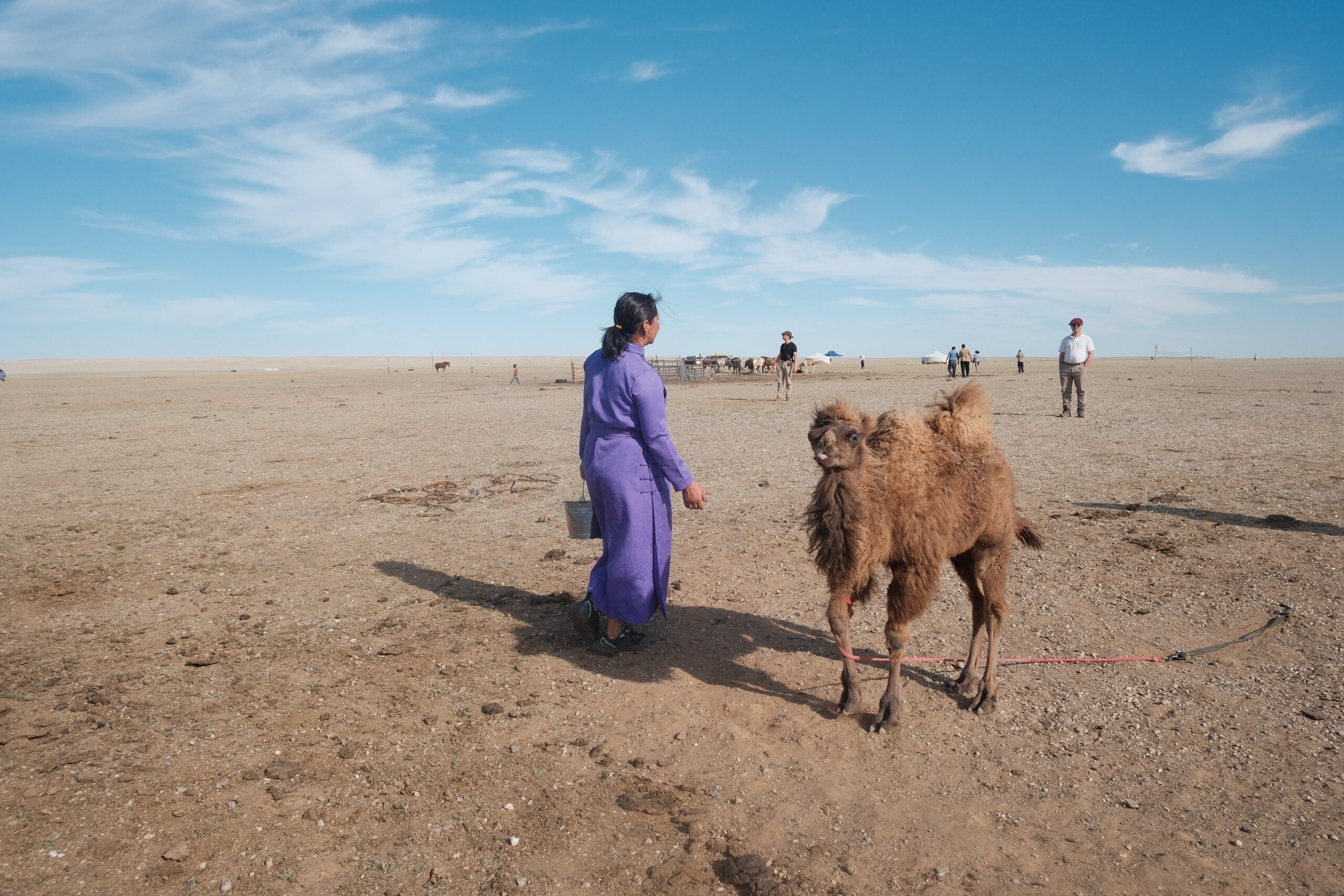
“Not being seen makes us opaque.”
But visibility alone was not an endpoint. Her focus was also on what future generations could build from what exists today.
“We want future generations to come up with new innovations, new motivation behind pastoralism,” she said, so that the legacy can continue to grow.
That may be one of the most important things the World Pastoralist Assembly offered: the opportunity for communities separated by geography, language and political borders to recognize one another’s experiences, learn where their struggles intersect and decide what they want to build together. The work that emerged from Mongolia was designed to continue well beyond COP17 through the relationships strengthened there, the priorities articulated in the Ulaanbaatar Declaration and the pastoralist-led structures being built to carry them forward.
“Our lands. Our territories. Our heritage. Our future.”
Those words at the heart of the Ulaanbaatar Declaration capture what pastoralists gathered in Mongolia were working toward: honoring knowledge and relationships built over generations while claiming a meaningful role in determining what comes next.