In Bloomington, Indiana, a quiet revolution in how communities feed and care for one another is taking place at Mother Hubbard’s Cupboard, affectionately known as The Hub. What began as a small garage-based food pantry has grown into a vibrant community food resource center where neighbors not only access healthy food but also learn, organize, and reimagine a more just food system together.
At its core, The Hub is guided by the belief that access to healthy food is a basic human right, and that true food security is rooted in dignity, community, and self-determination. Their work extends far beyond emergency food distribution. The food pantry is intentionally designed to feel like a neighborhood market, where anyone can choose what their household needs, no questions asked.
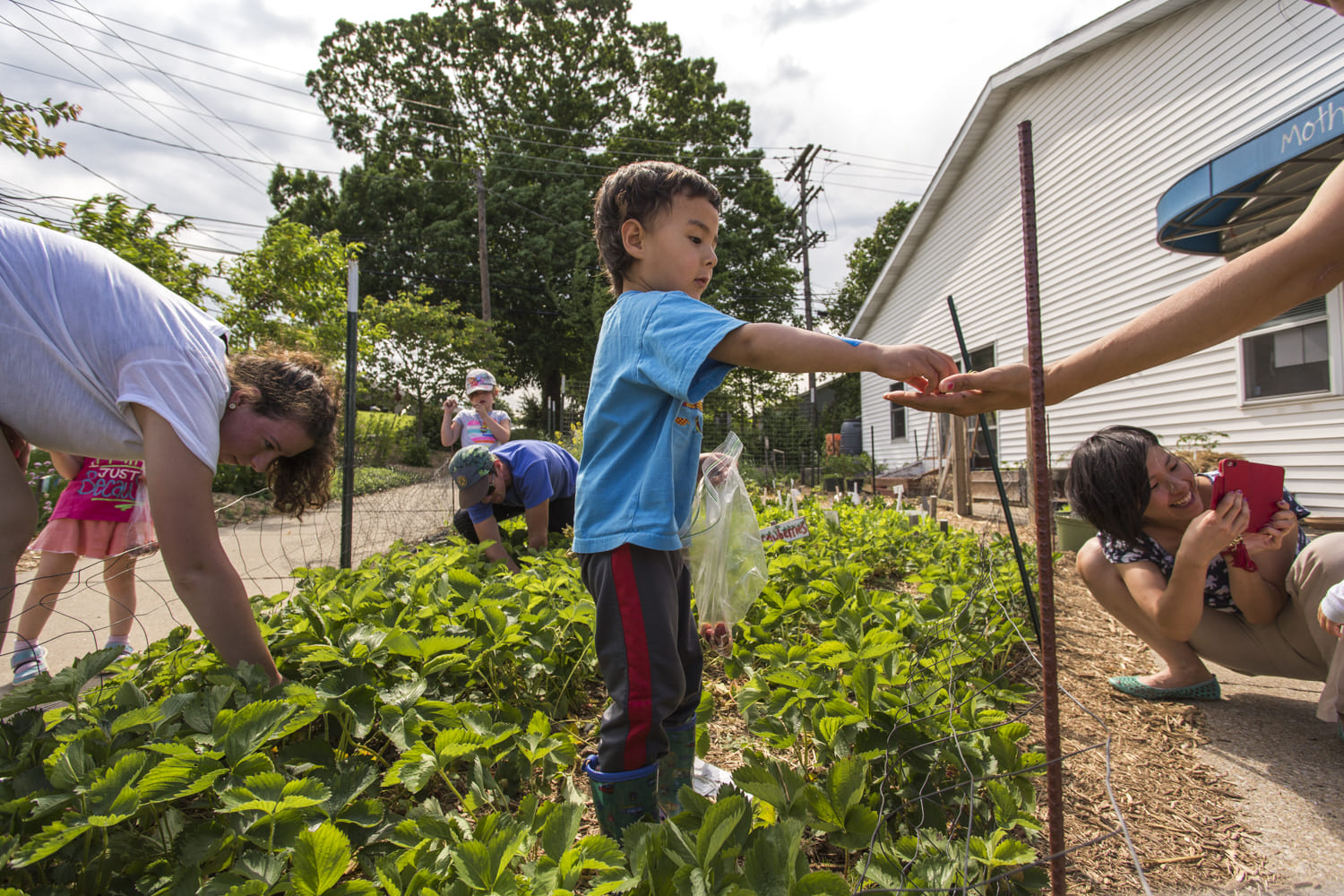
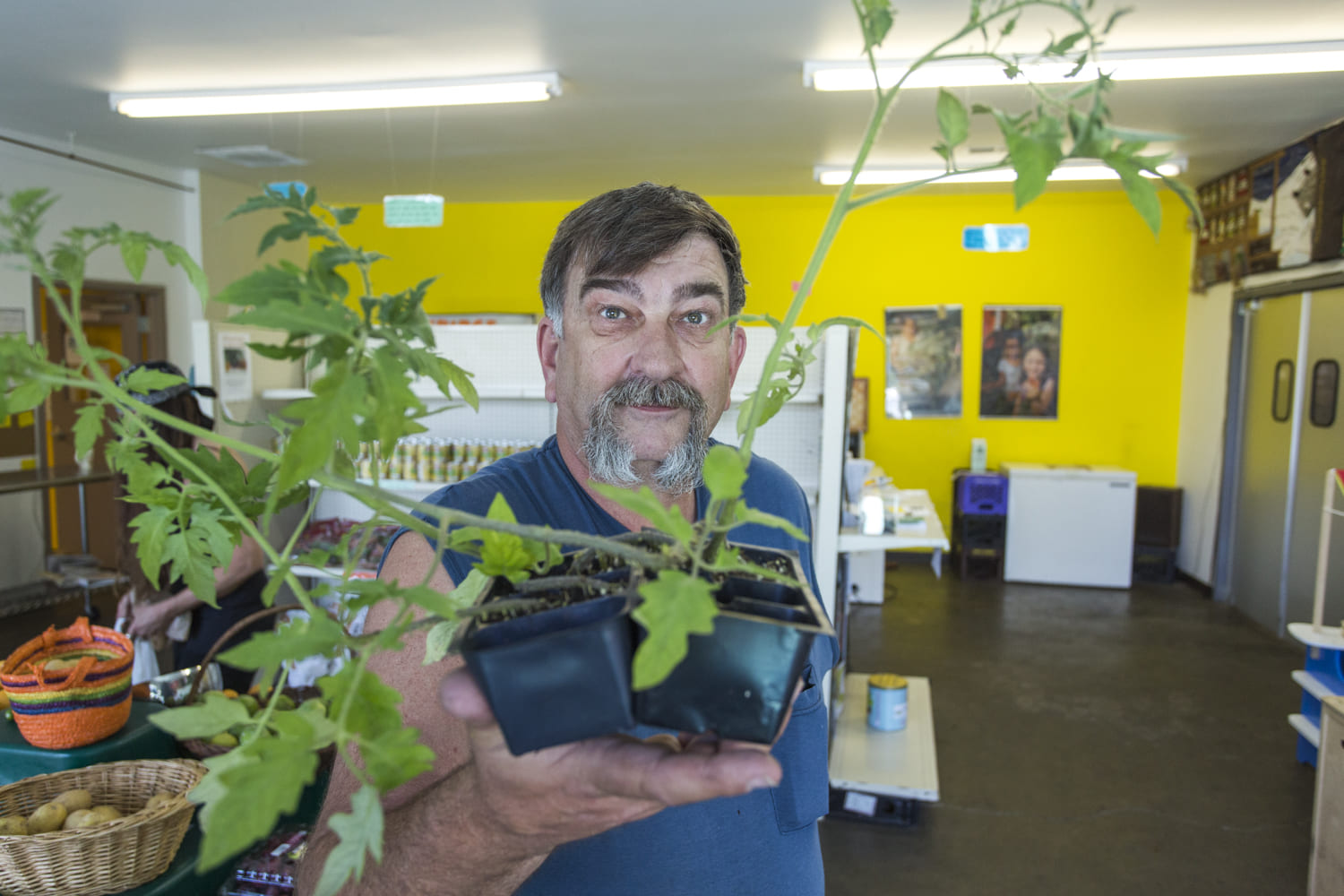
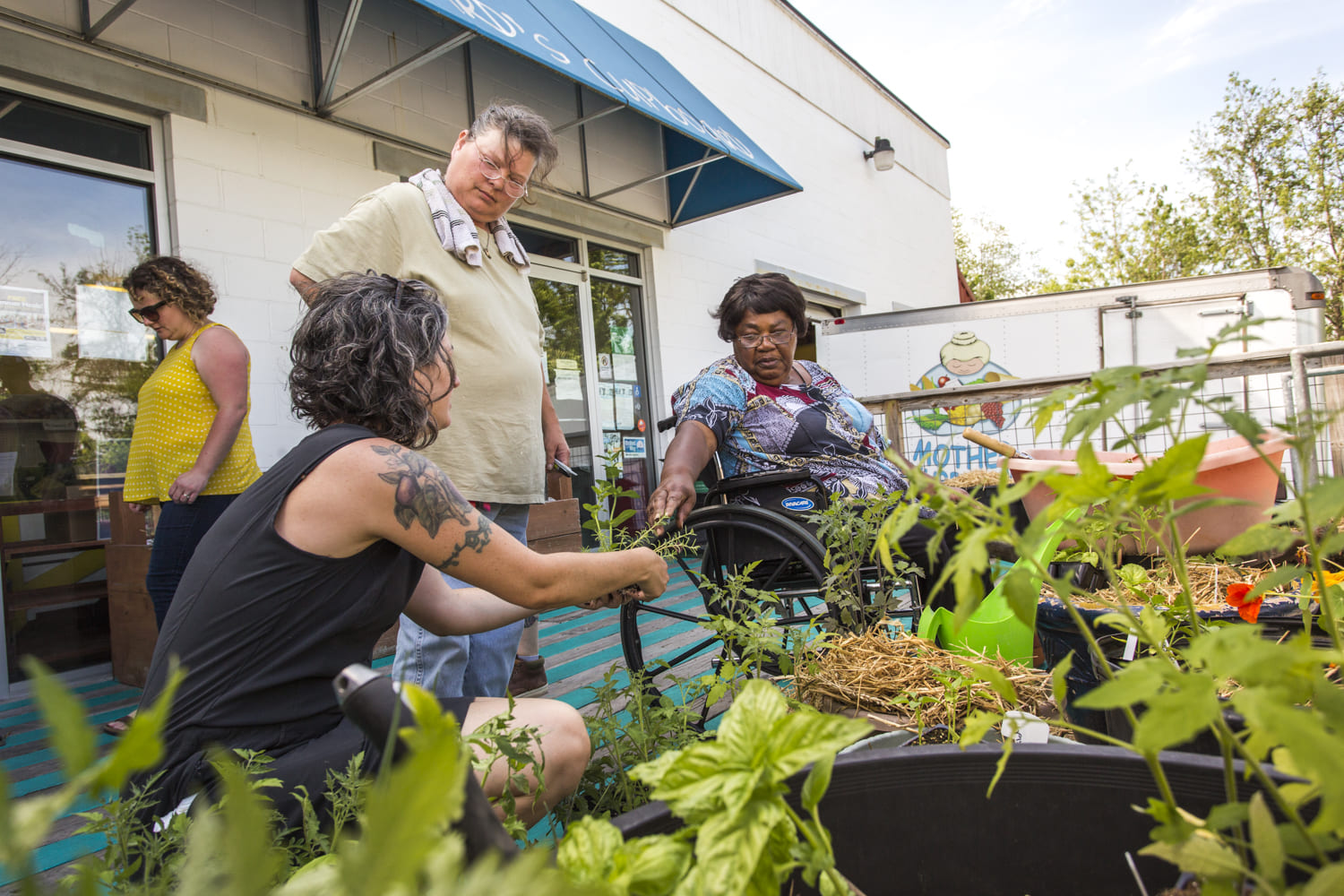
Their community gardens invite people to dig into the soil together, share seeds, and collectively grow organic produce. Community members can then bring their harvest into the Hub Kitchen, where they cook, share recipes, and build skills, confidence, and connection across generations. The Hub also runs a tool-share program, giving neighbors access to equipment for gardening, preserving, and cooking, lowering barriers to self-sufficiency. And through its advocacy program, The Hub brings people together over shared meals to explore the deeper causes of hunger and organize systemic change.

From Food Charity to Food Sovereignty
The Hub’s model challenges the traditional charity-based approach to hunger relief by shifting the focus from emergency response to food sovereignty and economic justice. By engaging community members in decision-making and using a consensus model, The Hub breaks down hierarchies that often exist between “providers” and “recipients.” This horizontal structure builds trust and redefines relationships around shared power and mutual respect.
This philosophy is visible in every corner of the organization. Families gather in the demonstration garden to plant and harvest together. Youth participate in drop-in gardening days that connect them directly to where food comes from. At monthly community lunches, patrons, staff, and volunteers share a meal and discuss issues that matter most to them, from local wages to cultural food traditions.
The Hub also takes its advocacy beyond the garden gates. Recognizing that poverty wages are one of the root causes of hunger, the organization raises awareness about labor justice and corporate responsibility, challenging systems that keep working people dependent on the very emergency food structures meant to support them. By sourcing food from BIPOC and small-scale farmers, The Hub supports a more equitable food economy and strengthens relationships between producers and eaters. This commitment led The Hub to co-found the People’s Cooperative Market after BIPOC farmers faced discrimination at the local farmers’ market—another example of how the organization puts solidarity and justice into practice.
Building a Movement Through Solidarity and Shared Vision
Since 2013, WhyHunger has stood alongside Mother Hubbard’s Cupboard as an ally in this transformative work, recognizing The Hub as a national model for how emergency food programs can evolve into centers of dignity, justice, and community power. Through the Nourish Network for the Right to Food and the Harry Chapin Self-Reliance Award, WhyHunger helped amplify The Hub’s vision early on, and the partnership deepened when The Hub joined the Leadership Team of the Closing the Hunger Gap (CTHG) network in 2015. There, WhyHunger worked to ensure that smaller, community-based organizations like The Hub could lead alongside larger food banks, helping shift the emergency food system away from charity and toward justice.
Over more than a decade, WhyHunger has also provided funding to support The Hub’s capacity building, local food purchasing from farmers, community-led programs, and expanded access to nutritious food during COVID. Together, the organizations have co-facilitated racial equity and implicit bias trainings, hosted regional gatherings to strengthen Midwest food justice networks, and shared The Hub’s patron-choice model nationally.
WhyHunger has provided direct funding to support the Hub’s work over the years, including capacity building, purchasing programs for local farmers, direct giving, and programs to increase community access to nutritious food during COVID. Throughout this relationship, WhyHunger’s role has been one of accompaniment, focused not on directing the work but on connecting people, ideas, and movements through mutual learning and respect.
Together, The Hub and WhyHunger are demonstrating what a just food system can look like in practice—one that values labor, culture, and collective well-being over charity. The Hub’s work reminds us that hunger is not inevitable; it is the result of inequitable systems that can be transformed when communities organize their rights. By reclaiming power, building skills, and strengthening relationships from the ground up, The Hub is not only feeding people; it’s nurturing a movement for food sovereignty and economic justice that reaches far beyond Bloomington.
Click here to learn more about The Hub.