Keeping Seeds in Farmers’ Hands: How Thailand’s Seed Guardians Are Protecting Food Sovereignty .
Across Thailand, generations of farmers have carefully saved seeds from one harvest to the next. These seeds carry more than the promise of another growing season—they hold generations of knowledge, culture, biodiversity, and resilience. Yet today, this tradition is increasingly under threat as industrial agriculture, corporate seed ownership, climate change, and rural economic pressures make it harder for farming communities to maintain control over the foundations of their food systems.
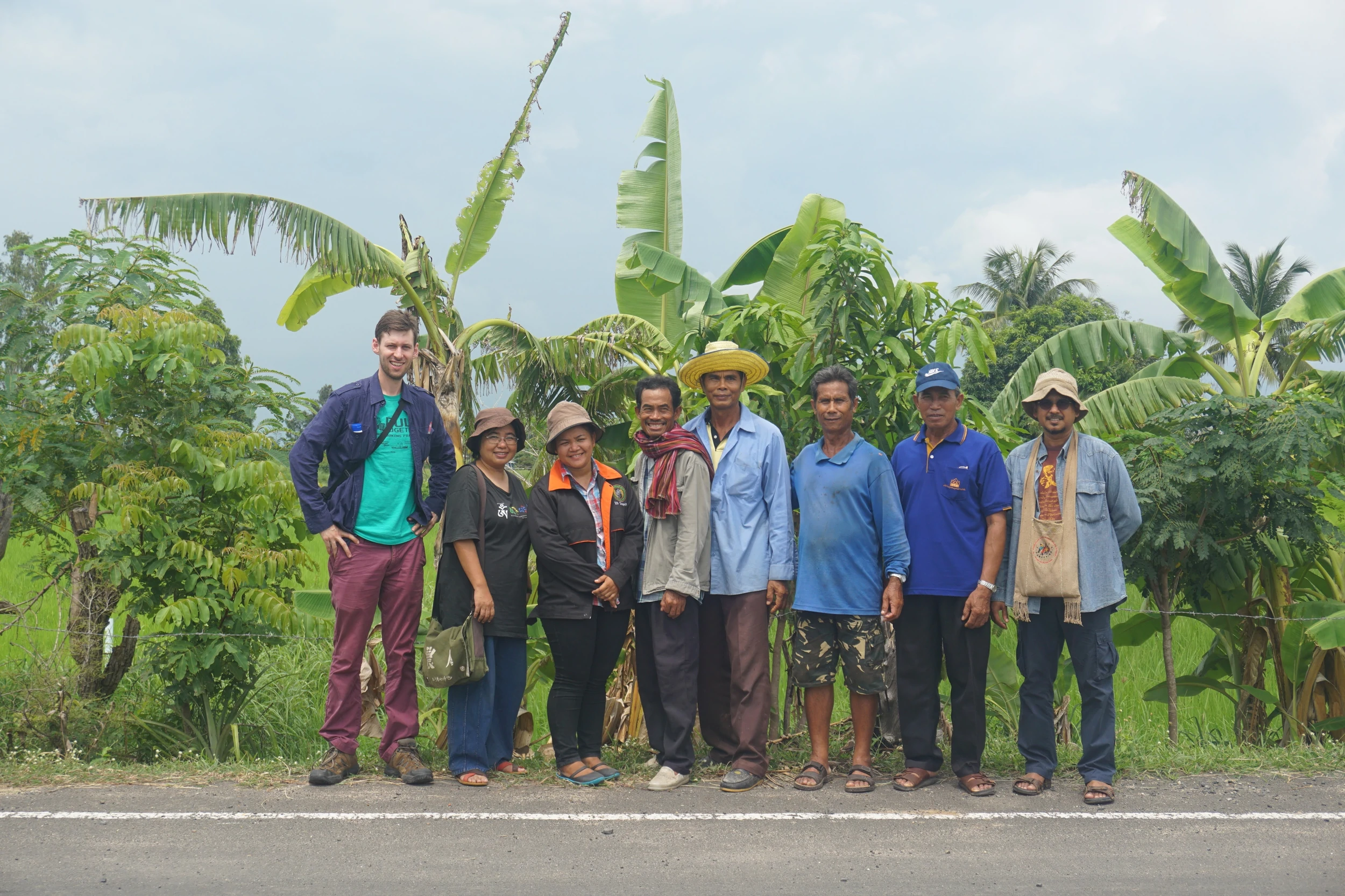
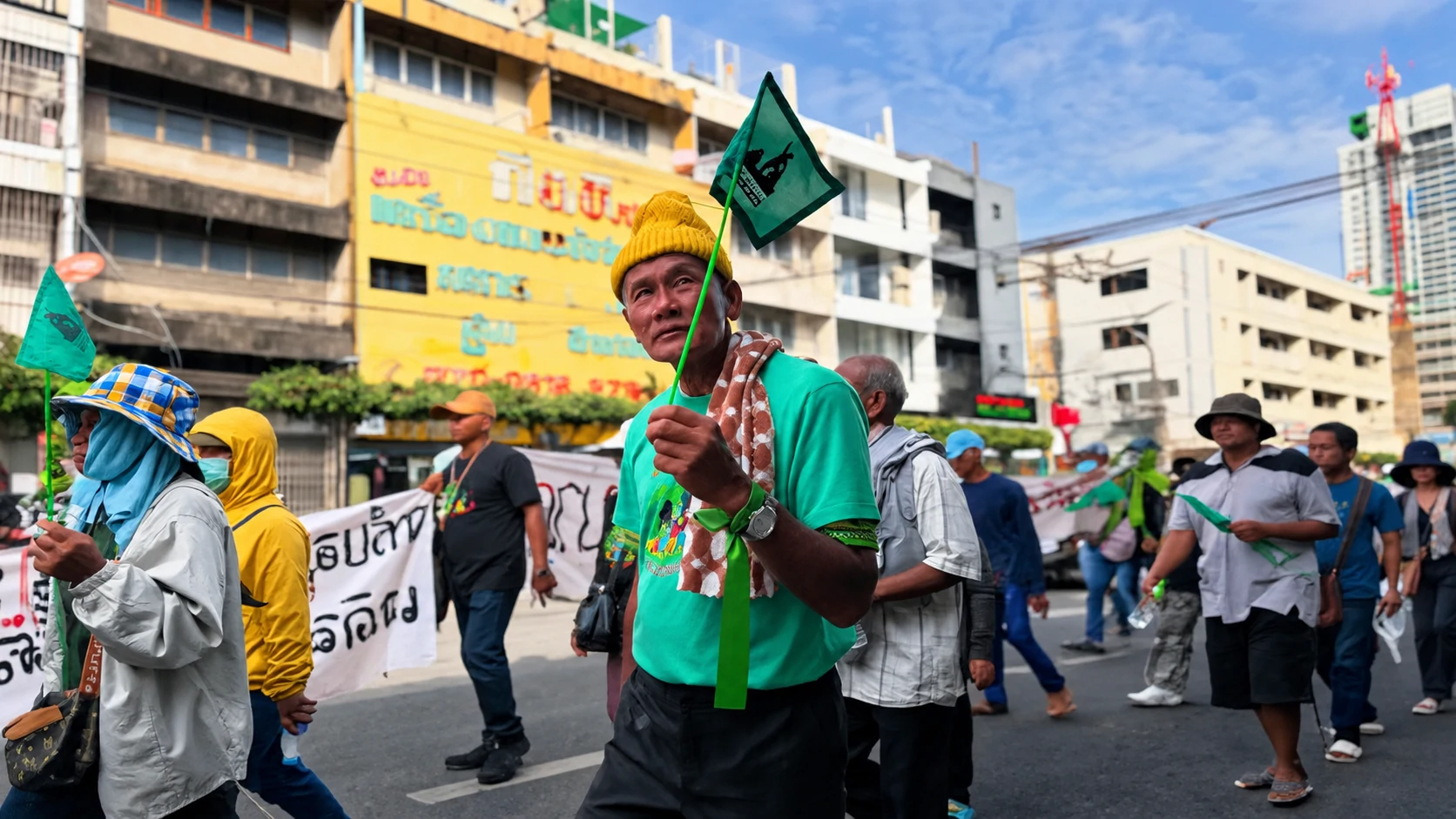
For WhyHunger partner Assembly of the Poor (AOP), protecting native seeds is about far more than agriculture. It is about ensuring that farming communities can determine their own future, preserve traditional knowledge, and build livelihoods rooted in dignity rather than dependence. As part of WhyHunger’s Agroecology Schools Project, AOP brings together farmers across generations to learn how to produce food sustainably while strengthening community leadership and food sovereignty. The school combines practical agroecological training with political education, recognizing that growing food and defending the right to land, water, forests, and seeds are inseparable.
Growing More Than Crops
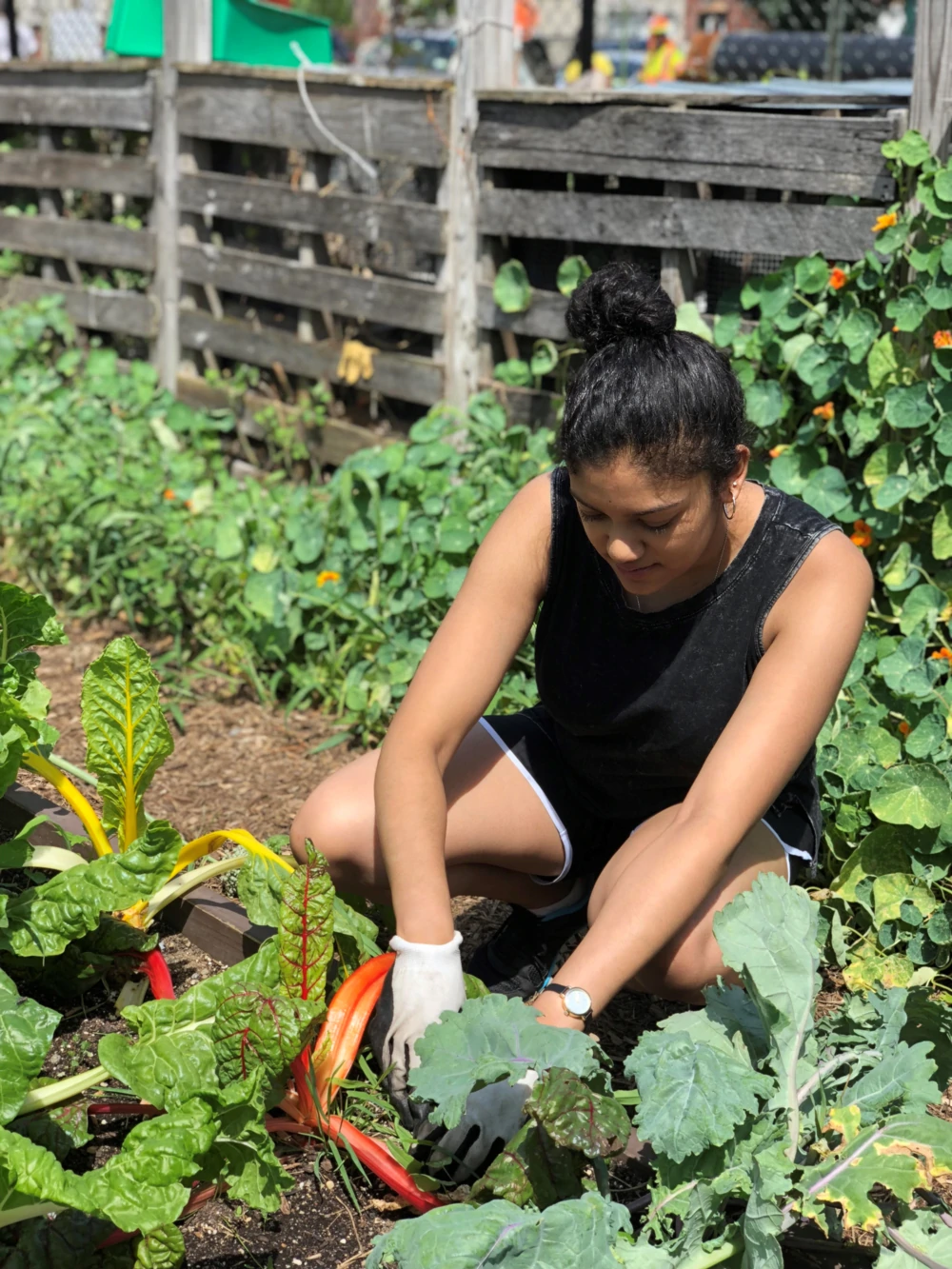
With WhyHunger support, AOP invested in a seed guardianship project that trains farmers in agroecology and seed protection. Through the program, farmers receive hands-on training in agroecology, seed conservation, seed multiplication, and seed rights. The project focuses on native seeds, which are important for food security, biodiversity, and traditional farming. Participants learn how to save seeds, multiply them, and defend their rights, becoming Seed Guardians who help keep food and seeds in farmers’ hands.
The initiative has already produced meaningful results:
- Created a community seed database and seed map.
- Distributed native seeds to 22 small-scale farmers.
- Increased farmers’ knowledge of agroecology and seed rights.
- Established the AOP Community Genetic Resources Network, allowing farmers to exchange seeds, knowledge, and experiences across communities.
These achievements represent far more than project outputs. They strengthen local food systems while creating lasting networks of mutual support.
Why Seed Saving Matters
Seed saving efforts, and community seed exchanges help small-scale farmers ensure their own food security. Often, Big Ag uses intellectual property laws to claim ownership and lock seeds away from local farmers, driving hunger and malnutrition. So, when farmers can save and multiply native seeds, year after year, they don’t have to rely on corporate and non-native seed sales, which can be expensive and damaging to local biodiversity. Having native seeds on hand also allows them to stay rooted in their local agricultural history and ancestral connections. Seed saving helps Thai farmers determine for themselves how to nourish their communities with dignity and liberates them from corporate and agrobusiness control. For AOP, seed saving also addresses two wider global agricultural trends: an aging farming population and climate change.
Preparing the Next Generation
Like many rural communities around the world, Thailand faces an aging farming population. Young people are increasingly leaving rural areas in search of economic opportunities elsewhere, while small-scale farmers struggle with debt, land insecurity, and competition from industrial agriculture.
Through its Agroecology School, the Assembly of the Poor (AOP) is investing in the next generation of farmers. Community-led trainings, including its Seed Guardianship program, equip participants with the practical skills, ecological knowledge, and leadership needed to protect native seeds, strengthen local food systems, and build sustainable livelihoods.
By strengthening local food systems and helping farmers become more economically resilient, AOP’s agroecology education creates opportunities for younger generations to see farming not as a struggle to survive, but as meaningful work rooted in community, culture, and care for the land.
Seeds for a Changing Climate
Climate change has made this work even more urgent.
Across Thailand, farming communities are experiencing increasingly unpredictable weather, changing rainfall patterns, drought, and declining soil health. Native seeds, developed over generations within local ecosystems, often possess greater resilience to these changing conditions than commercial varieties.
Protecting biodiversity through seed saving helps regenerate soil, strengthen ecosystems, and increase communities’ ability to adapt to a changing climate. In this way, every seed saved becomes an investment in the future, not only for one farmer or one harvest, but for generations to come.
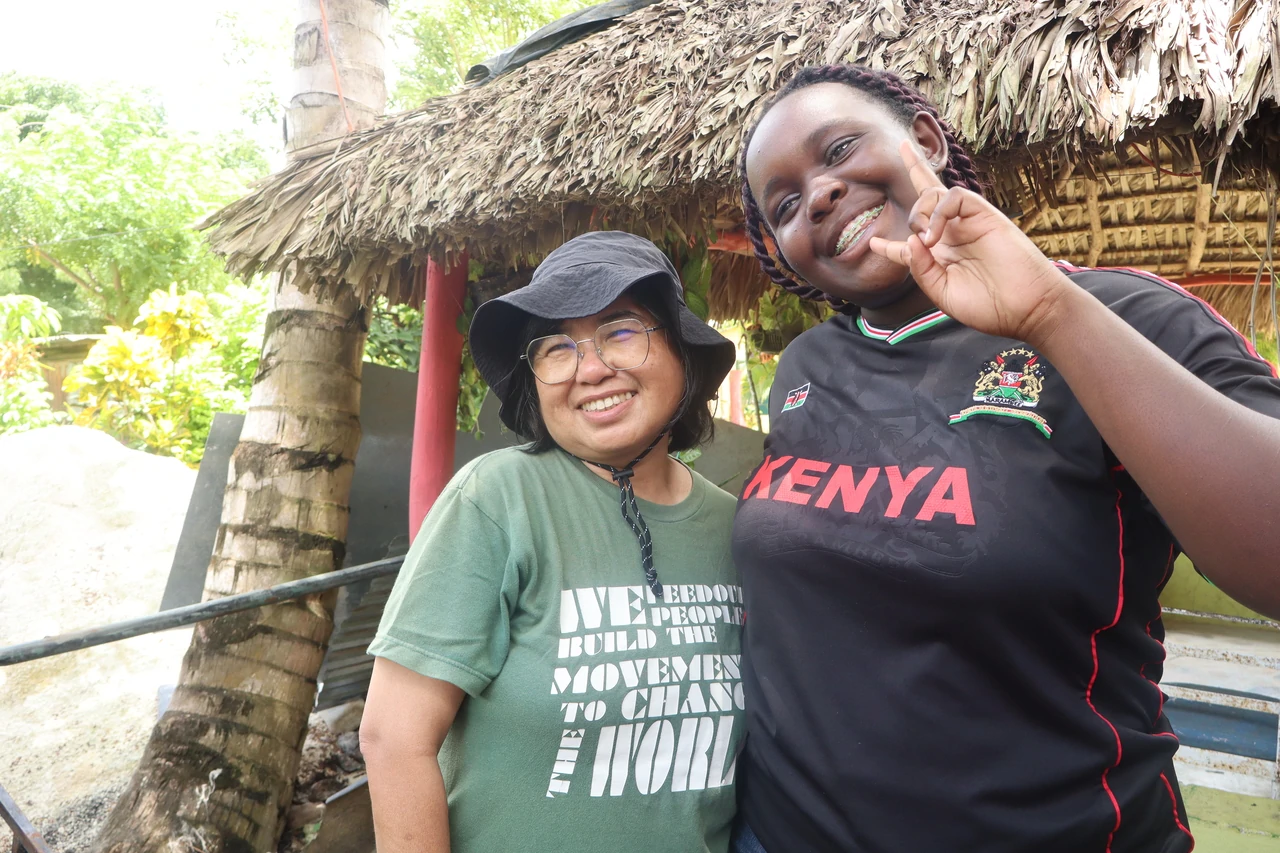
As Anne Lapapan of Assembly of the Poor explains:
“Agroecology is more than how we grow food in harmony with nature. It’s about producing food for people while fighting for the right to land, forests, and natural resources. If we gain access to land but continue the same extractive practices, we’ll end up with debt, degraded soil, and lost livelihoods. That’s why we believe agroecology is the only way forward.”
For Assembly of the Poor, protecting native seeds is ultimately about protecting the right of communities to feed themselves, care for their land, and shape their own future. Through every seed exchanged, every farmer trained, and every new Seed Guardian, Thailand’s agroecology movement is demonstrating that food sovereignty begins with something remarkably small, but incredibly powerful: a seed.
Learn more about WhyHunger’s Agroecology Schools Project.