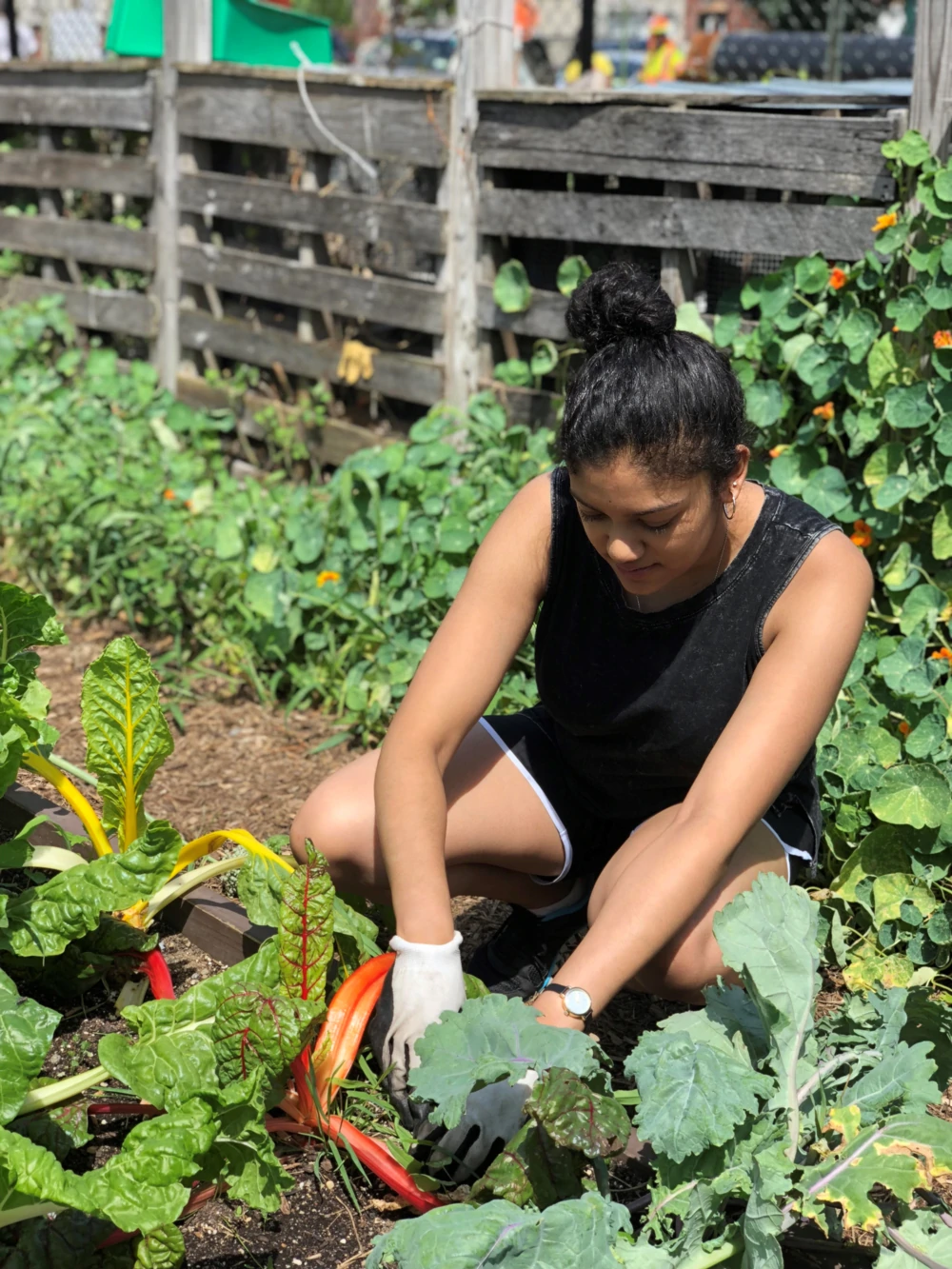
Black History Month isn’t just about the past.
It’s about honoring the Black farmers, organizers, and communities who have been fighting for food justice for generations—and are still leading the way forward.
For over a century, the USDA systematically denied Black farmers loans and support, contributing to an enormous decline in Black-owned farms. By 2012, only around 1.5% of U.S. farmers were Black, down from around 14% in 1910.
Black farmers and food justice leaders never stopped organizing and resisting. From rural farmers to urban gardeners reclaiming land, Black communities have always grown food, built power and created solutions rooted in sovereignty and justice.
You can’t solve hunger without addressing root causes. Black households face food insecurity at over 2x the rate of white households in the U.S. due to racism, economic injustice and discriminatory policies. Historic cuts to SNAP this year will only exacerbate the disparity.
Right now, programs supporting Black farmers and communities are under attack. The USDA Equity Commission report—3 years of work identifying historic wrongs—was scrubbed from their website.
Federal funding is being cut for diversity, equity and inclusion programs and BIPOC-led food justice organizations.
This Black History Month, honor the past by fighting for the future.
1. Support Black farmers and Black-led food justice groups, such as:
- Black Urban Growers (BUGS)
2. Advocate against attacks on racial justice and DEI work
3. Learn more about the movement for Black food sovereignty in the U.S.
4. Organize and demand a just food system for all
Sources: Civil Eats, Center for American Progress