The Latin American Agroecological Institute IALA María Cano through FENSUAGRO
School Profile
Colombia
About the School
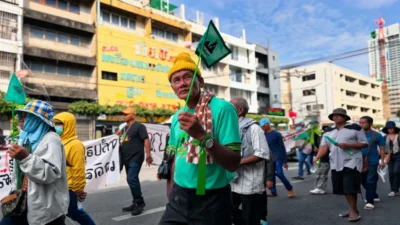
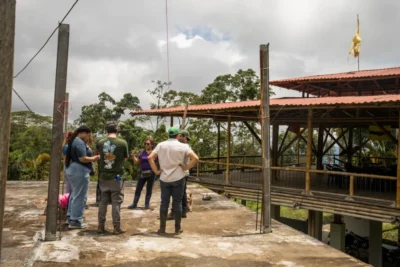
The IALA María Cano was inaugurated in 2017 and is located on the Raúl Valbuena farm, owned by FENSUAGRO (Federación Nacional Sindical Unitaria Agropecuaria). FENSUAGRO is a union-member organization made up of peasants, farmers, agricultural workers and members of indigenous and Afro-descendant communities throughout Colombia.
The Latin American Agroecological Institute (IALA María Cano) is an educational initiative that arose in Colombia, with the objective of training young farmers in agroecology and strengthening food sovereignty. This institute is part of a network of IALAs in Latin America.
Through its comprehensive training programs, young people:
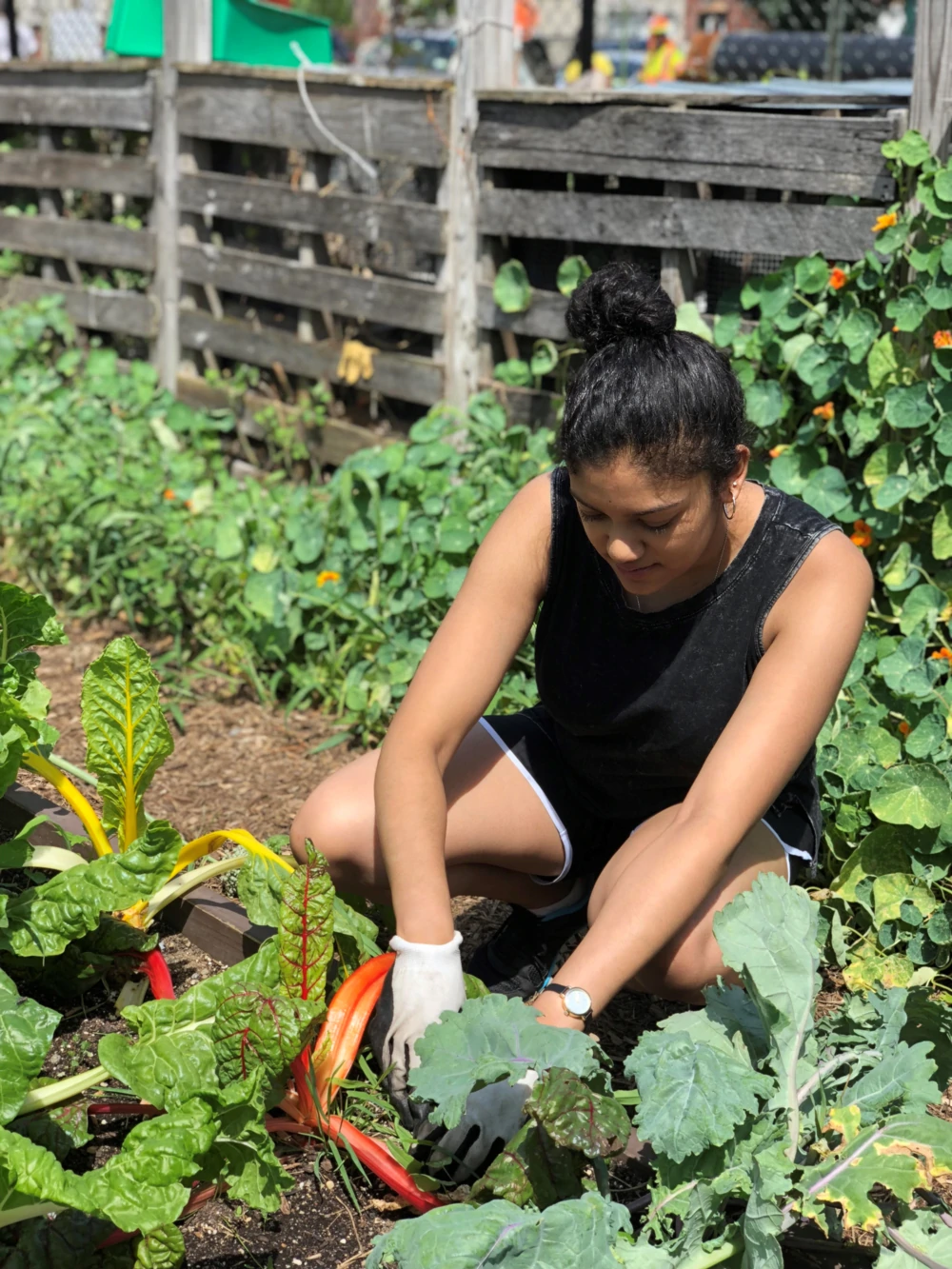
- Integrate education with practical work in the field.
- Strengthen their peasant identity and culture.
- Experience a political, technical and agroecological training initiative that allows students to directly apply the knowledge acquired in agroecology to the reality of their communities, which is fundamental for social transformation and the strengthening of peasant agriculture.
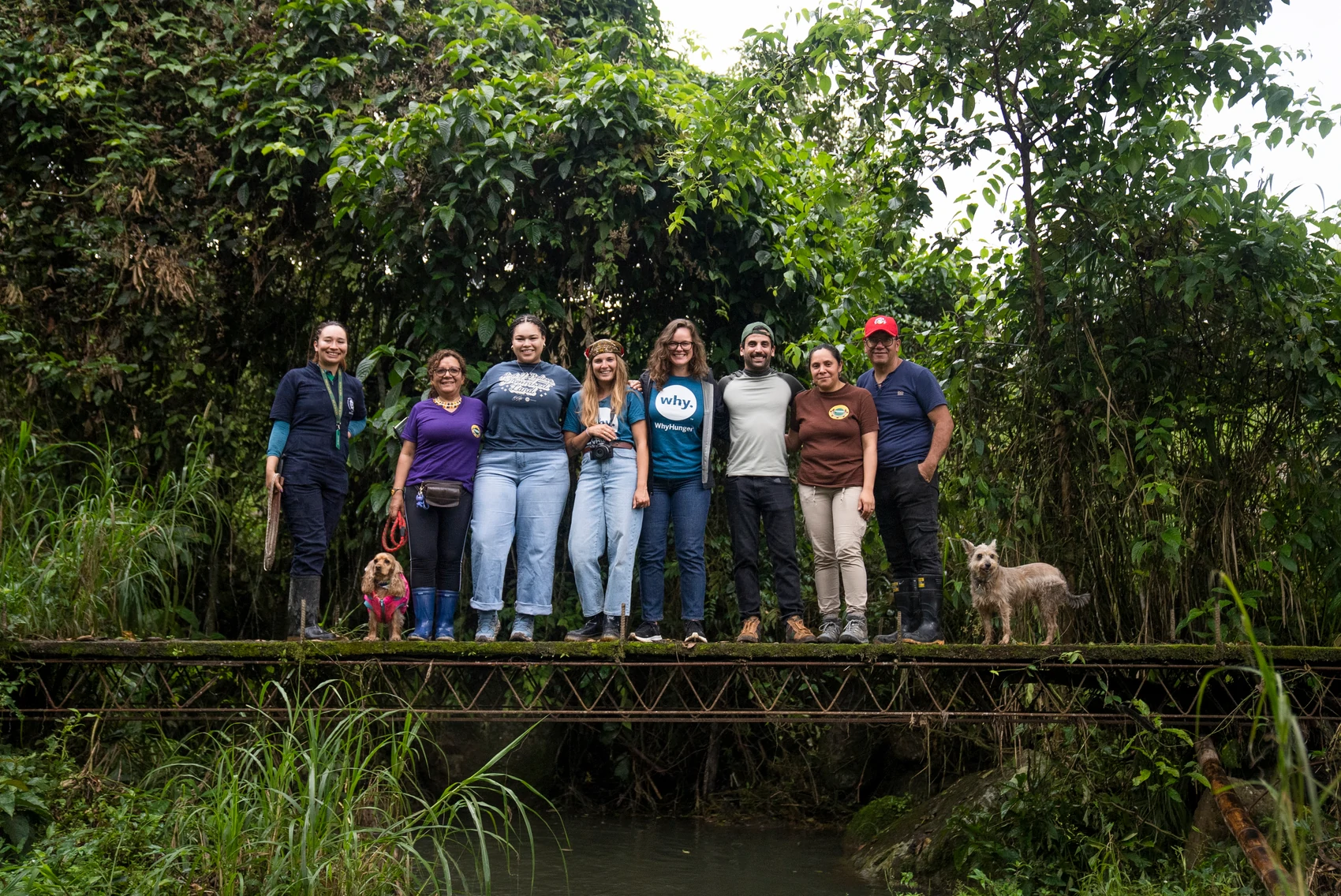
Over the last decade, WhyHunger has supported FENSUAGRO to strengthen Colombia’s national model for peasant-led education and agroecology. What began with a $5,000 seed grant to the IALA María Cano Agroecology School has grown into a decade of partnership that has helped train young farmers, elevate women’s leadership, and expand community food production, from bakeries and dairies to new facilities for sustainable livestock and ecological farming.
To learn more about IALA María Cano, click here.
Hear from Our Partner
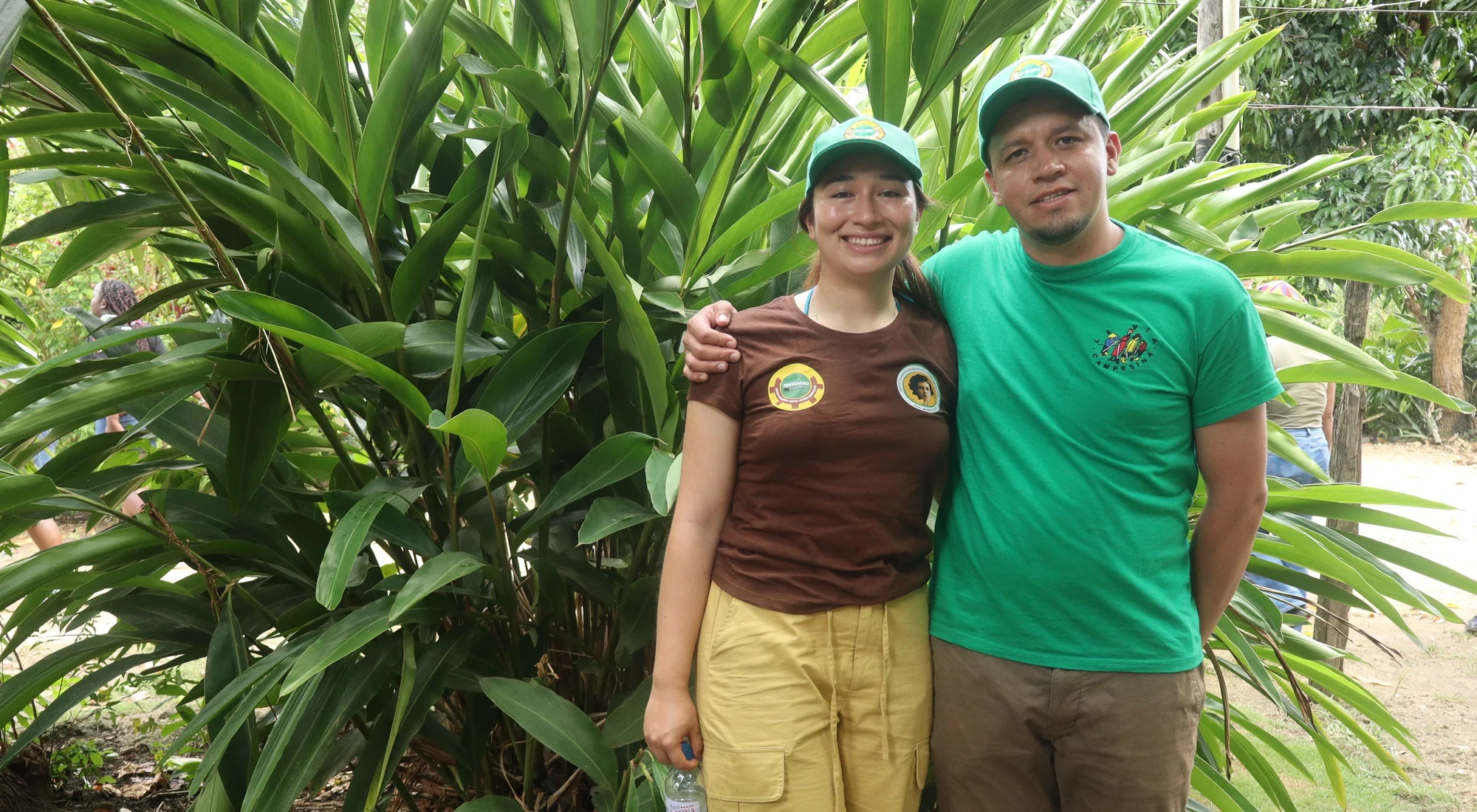
“Today the power of organization and community is underestimated because the system pushes us to be individualistic. Agroecology teaches us how much we can build together.”
– Angie Aguilera (FENSUAGRO, Colombia)
The Agroecology School Cohort
Each school adapts agroecology to its local context—responding to climate, culture and community needs. Whyhunger’s project spans schools across 10 countries.
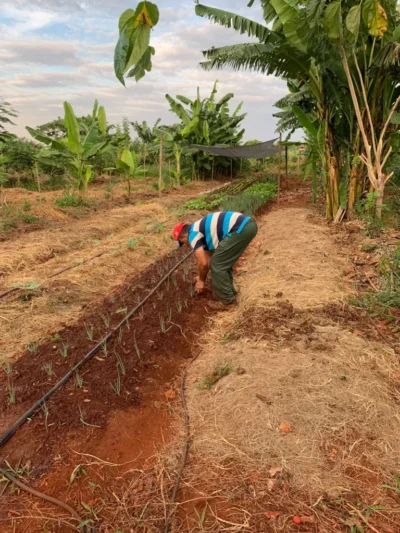
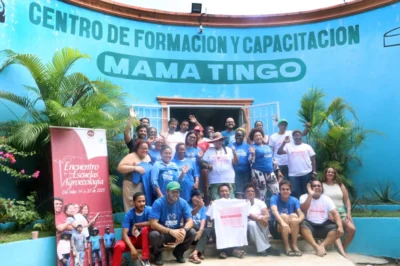
Dominican Republic
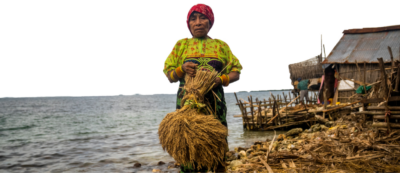
Kuna Yala (Panama)