The Latin America
Agroecology Institute
through Confederacion Nacional
de Mujeres Campesinas
School Profile
Dominican Republic
About the School
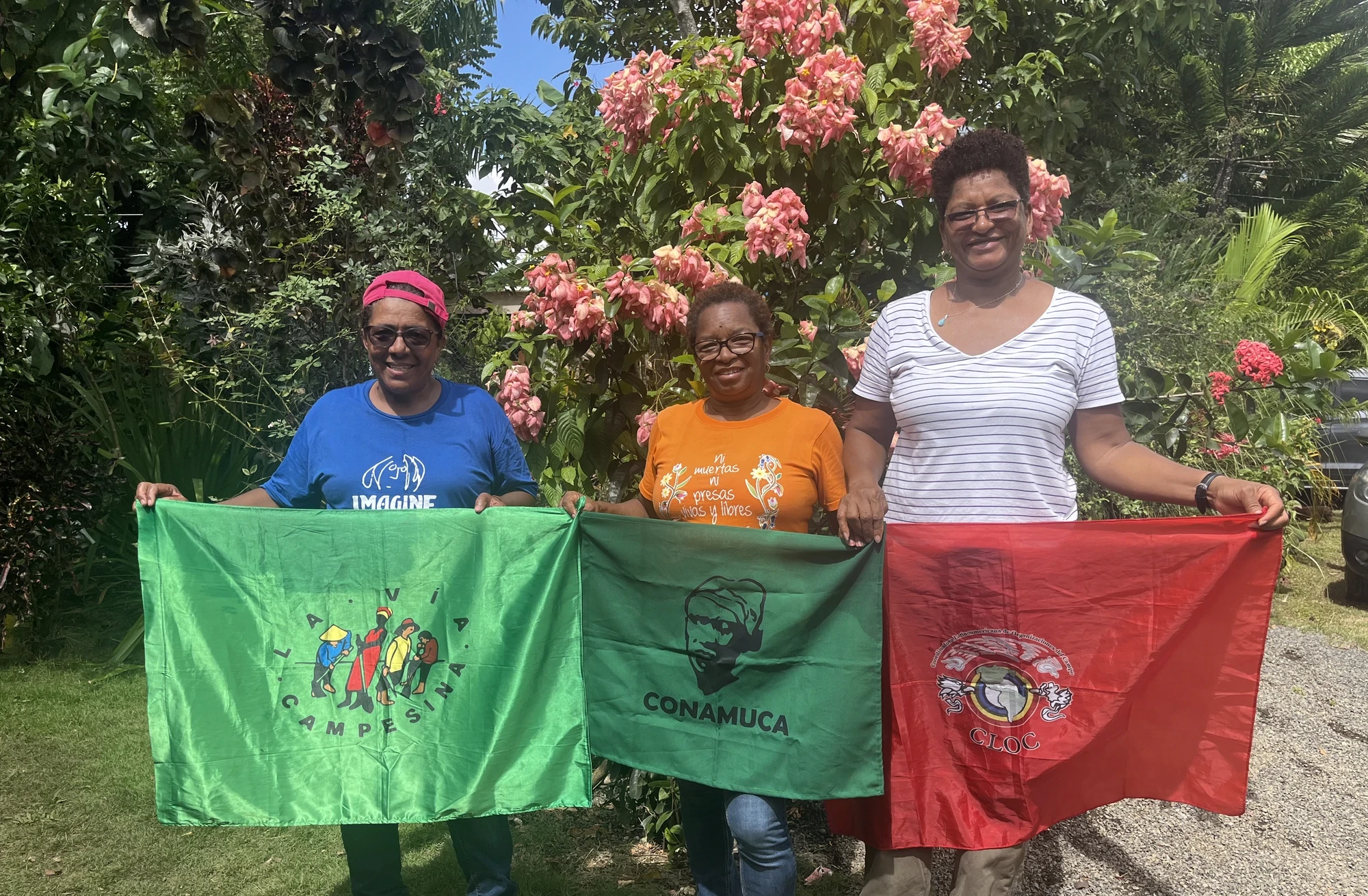
The National Confederation of Rural Women (CONAMUCA) is a social movement that promotes and defends the rights of rural women and girls, addressing their practical and strategic needs through organization, training, mobilization, and the provision of revolving funds for productive projects that generate their own income.
The Mamá Tingó Training and Education Center is a community space dedicated to strengthening the capacities of rural women, youth, and community organizations. Its work focuses on promoting leadership, popular education, technical training, and social development with a perspective of rights, gender equality, and social justice. The center was built in 2007 and serves as a meeting and learning place aimed at improving the quality of life of rural communities. This center is part of a network of IALAs in Latin America. Its inspiration is based on the legacy of Mamá Tingó, a symbol of struggle, dignity, and defense of the land, which makes the center a benchmark for the training of leaders committed to social transformation and rural empowerment.
Through their workshops and training sessions, rural communities:
- Help improve the living conditions of rural youth.
- Increase the impact of agroecological services in farming communities.
- Strengthen networks of smallholder farmer organizations.
- Promote a model for training trainers based on farmer-to-farmer exchange.
Whyhunger supported IALA Mama Tingo in strengthening the agroecology training of the CLOC-Via Campesina in Dominican Republic with a view to becoming a model proposal for the Caribbean region and to continue on the path of training in agroecological production as a sustainable, alternative means of livelihood that, in its essence and production logic, involves the whole family, especially women and young people.
To learn more about IALA Mama Tingo, click here.
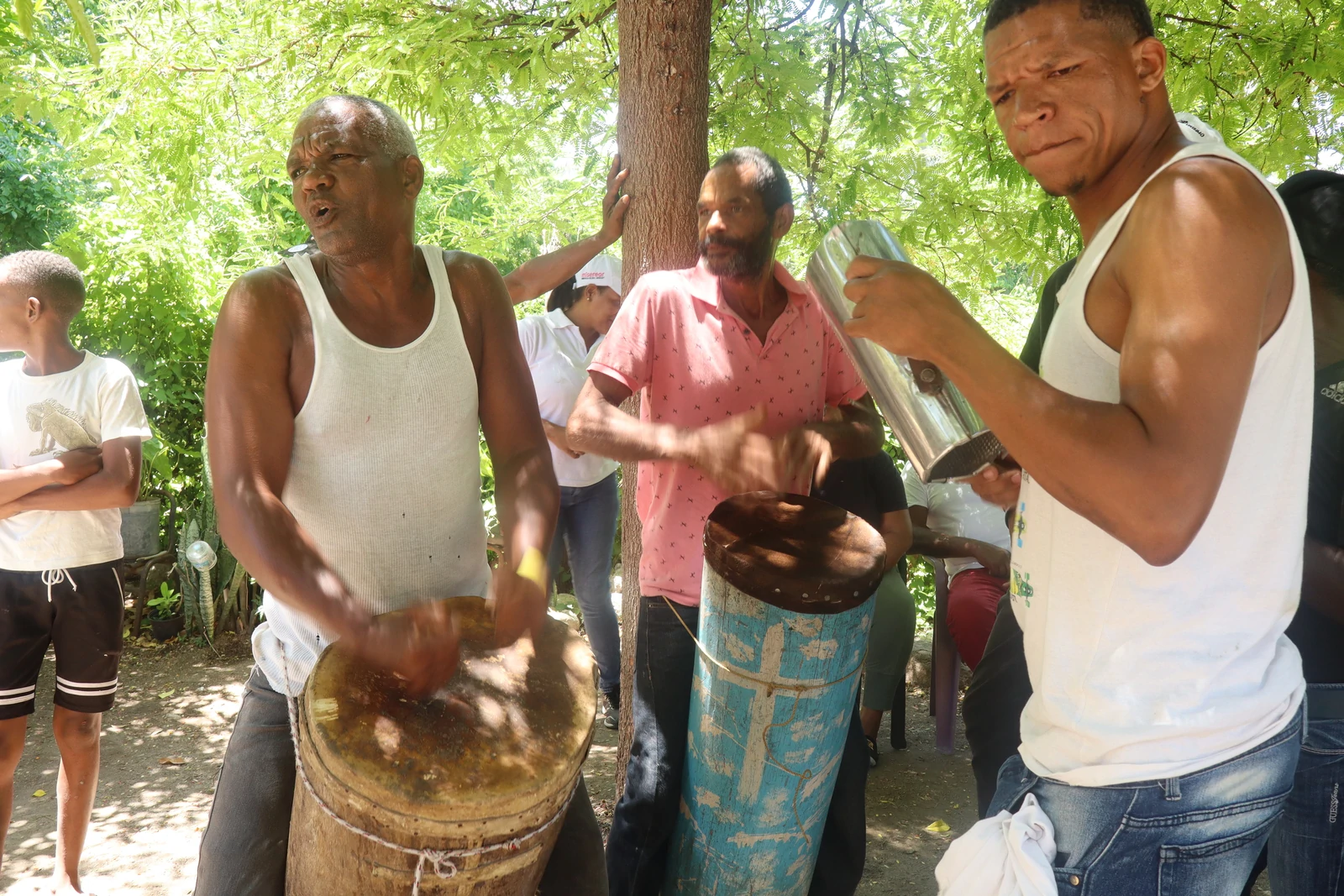
Hear from Our Partner
“For us, agroecology has come not to replace, but rather to support the work that we do in our communities and that our grandmothers and grandfathers did in the past…Agroecology is also something political… our way of fighting, our way of producing healthily, and our way of moving forward and producing without GMOs, in a natural way.”
– Lidia Paredes (CONAMUCA, Dominican Republic)
The Agroecology School Cohort
Each school adapts agroecology to its local context—responding to climate, culture and community needs. Whyhunger’s project spans schools across 10 countries.
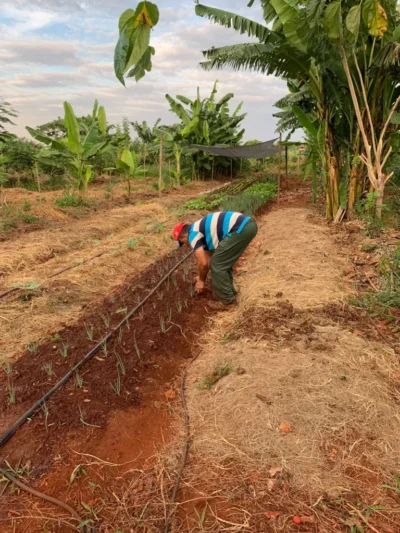
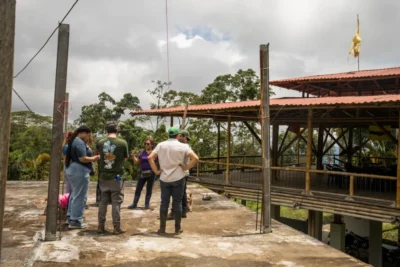
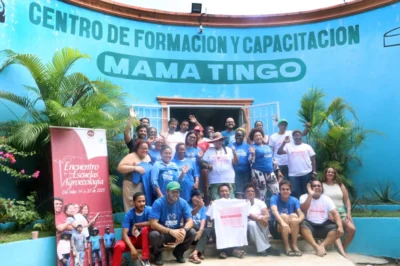
Dominican Republic
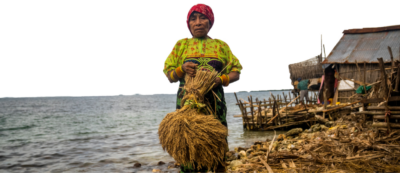
Kuna Yala (Panama)