All over the world, we’re seeing the effects of a deepening climate crisis and failed policies that strip food assistance, slash healthcare access, and leave communities to fend for themselves. The devastation of the recent Texas floods is a reminder that systems meant to protect us aren’t working.
While governments pull back, WhyHunger is stepping up. In 2020, our partners asked us to launch a Rapid Response Fund to unlock fast, flexible funding that supports our grassroots partners on the ground when crisis hits. We’ve moved nearly $1.3M in direct funds across the USA and 13 countries — reaching those too often overlooked by government and NGO systems.
WhyHunger’s Rapid Response Program:
- Provides immediate, flexible funding when disaster hits
- Reaches communities often bypassed by government and NGO relief
- Strengthens local capacity for long-term recovery and resilience
In general, we provide Rapid Response funding to local communities and grassroots organizations we are already working with, which helps fast-track our compliance process while still ensuring due diligence. WhyHunger’s year-round relationship building is what lays the foundation for us to work flexibly and rapidly with our partners, within and outside of disaster events. Hear more from Program Manager João Fonseca on why this approach is so impactful.
Impact Spotlights:
Flood Survivors in Somalia
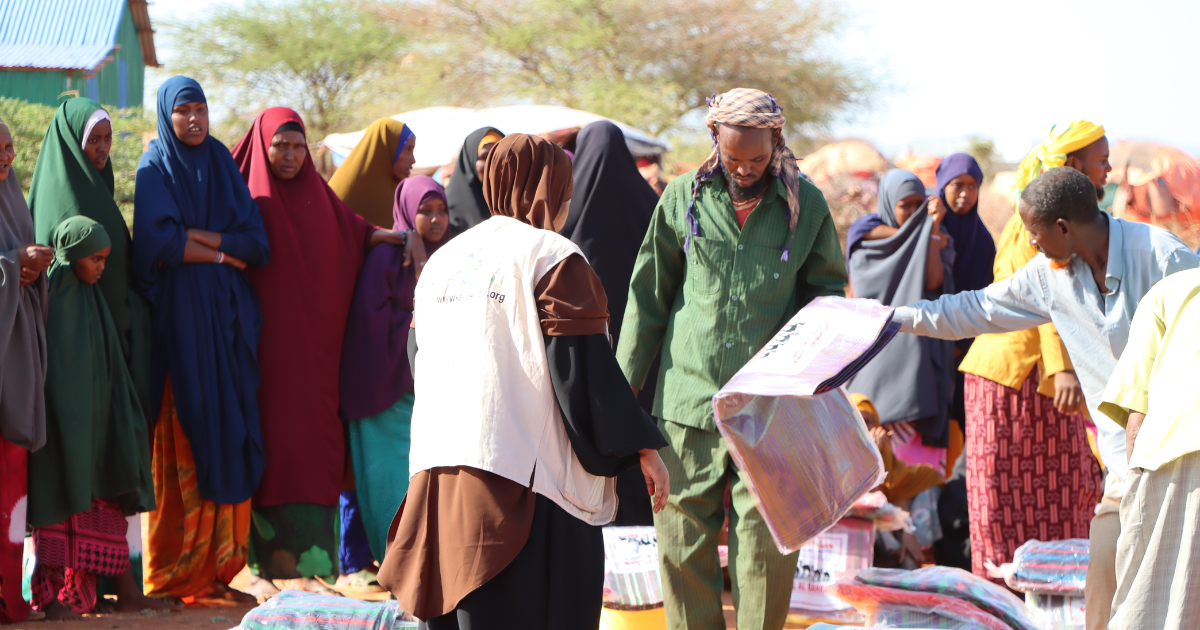
Severe floods have devastated southern and central Somalia, displacing thousands of families already reeling from years of drought, conflict, and instability. Many are living in makeshift camps—or no shelter at all—and urgently need support.
The floods came at a time when over 8 million people in Somalia were facing a highly vulnerable humanitarian context and still recovering from the effects of a drought that has been lingering since 2020.
With support from WhyHunger’s Rapid Response Fund, our partner Kaalmo Relief & Development (KRD) responded fast, delivered emergency shelter supplies, hygiene kits, and household goods to 500 vulnerable families.
Communities in Haiti Displaced by Political Violence
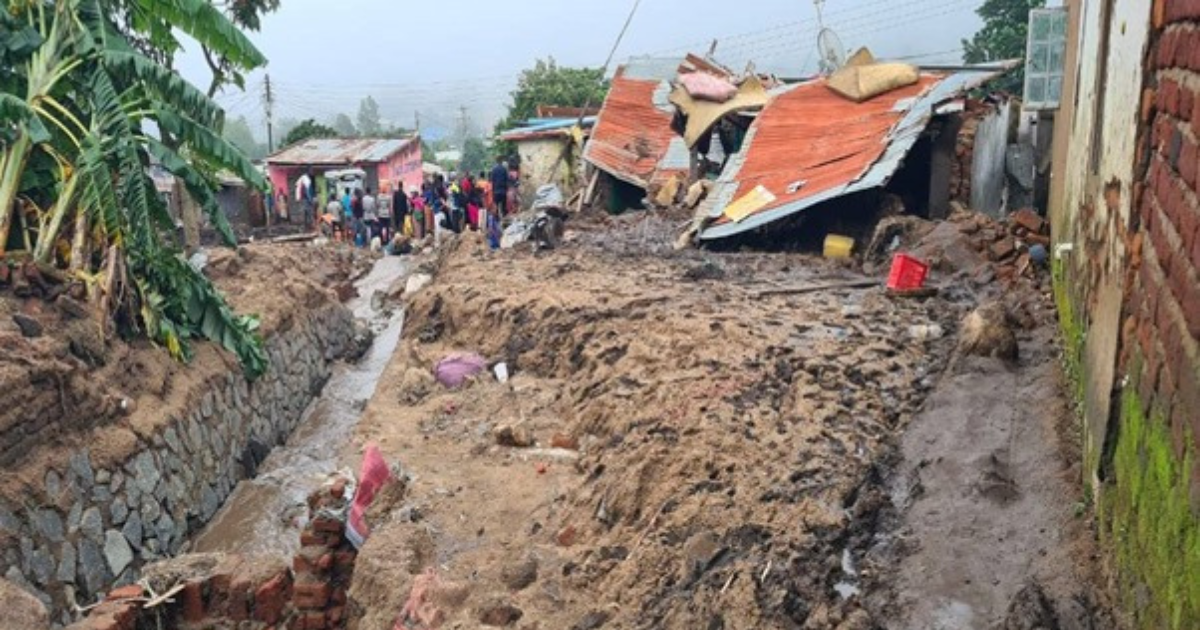
Haiti is experiencing a worsening security crisis, especially over the last five years, due to gang control in key regions like Port-au-Prince, Hinche, and Mirebalais, with many people seeking safety and support.
Last year, over 30,000 people fled their homes on top of the already 300,000 people displaced. Many are trapped without access to food, water, or medicine.
Our partner, the Papaye Peasant Movement (MPP) is on the frontlines, sheltering families and providing urgent care. Thousands have taken refuge in MPP offices in Port-au-Prince, Hinche, and Mirebalais. With support from WhyHunger’s Rapid Response Fund, MPP delivered emergency aid to 250 displaced people and implemented programming with youth groups on agroecology, food sovereignty, and the climate crisis.
Families in the U.S. Looking for Food Relief
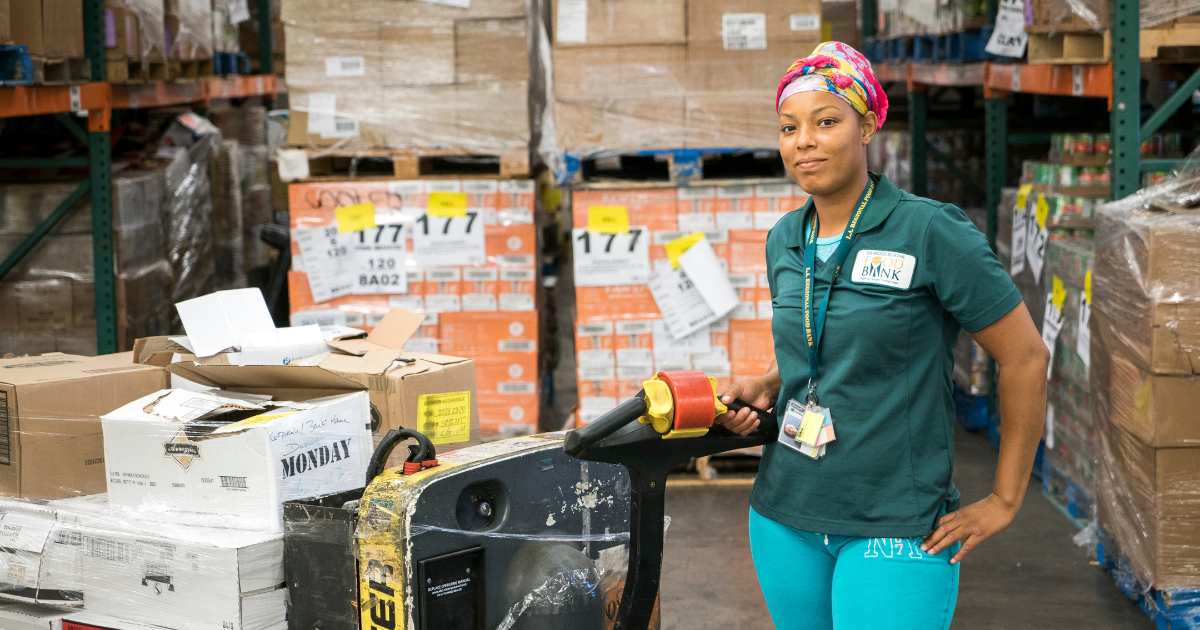
Our national WhyHunger Hotline and Find Food online tools connect people across the country to fresh, healthy food—fast. We help parents find summer meals for their kids, connect seniors to produce delivery programs, and support families facing eviction, health emergencies, or disaster displacement.
Already this year:
- Hotline calls have jumped 40%
- Spanish-language requests are up 192%
- Nearly 500,000 people have been connected to resources that help them eat and stay afloat
The Hotline is more than a phone number. It’s a rapid response tool—available 24/7, in English and Spanish, with trained advocates who listen and act. In a year when hunger is climbing, it’s one of the most powerful tools we have.
Fisherfolk in Thailand Adapting to Heatwaves
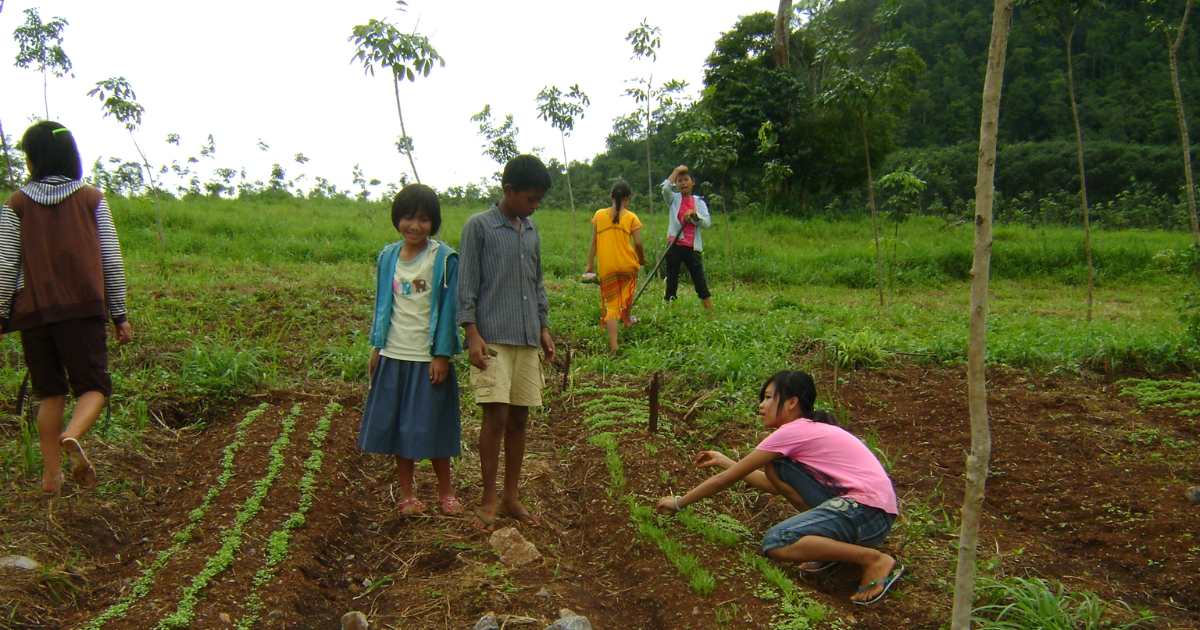
In 2024, record-breaking heatwaves devastated small-scale farmers and fisherfolk across Thailand. Crops died, fishponds dried up, and entire ecosystems suffered.
Coastal fisherfolk in the Tha Keoi community are struggling to survive. We supported our partner, Assembly of the Poor (AOP) to:
- Grow native palms in fishponds to provide shade and shelter
- Protect aquatic life and stabilize pond ecosystems
- Repair damaged fishponds with sustainable methods
Women in Turkey Rebuilding After Earthquakes
In 2024, two devastating earthquakes struck southeastern Turkey, and millions of lives were shattered. Cities were reduced to rubble and homes destroyed. Amid the chaos, women and children were among the hardest hit. Essential supplies like food, water, and hygiene items remained scarce, while women bore the brunt of increased care work.
Our partner, the World March of Women stepped in — not just to meet urgent needs, but to begin the long process of healing and rebuilding, with women at the center. In response to the earthquake, the World March of Women opened a new Women & Children’s Center in Hatay, named in honor of Hatice Can, a feminist human rights defender who lost her life in the earthquake.
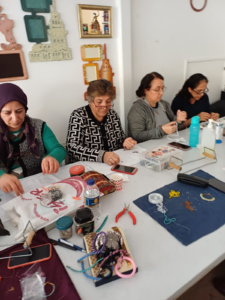 This center is:
- Providing critical resources like food, baby care supplies, and hygiene products
- Creating a safe, dignified space for women and children to recover
- Helping restore social and economic life in the region
- Centering feminist leadership in long-term recovery
Farmers in Mississipi Navigating Climate Disruption
When storms, droughts, and extreme weather hit, the impacts don’t end when the skies clear — especially for the people who grow our food. That’s why WhyHunger supported the Mississippi Association of Cooperatives (MAC) through our Rapid Response Fund. MAC is a state association with over 50 years of experience providing emergency assistance, technical training, and social justice leadership to socially disadvantaged farmers, ranchers, landowners, and rural communities across Mississippi.
This year, MAC requested Rapid Response funding to support their members in the wake of severe climate disruptions that devastated rural communities and farmland across the state. With our support, MAC is:
- Coordinating emergency efforts grounded in equity and justice
- Delivering essential materials like soil and transplants to impacted urban and rural growers
- Hosting climate-focused trainings for farmers and ranchers to adapt their practices
- Supporting content development and strategy sessions for co-ops and local producers
- Creating tailored media resources and reports to guide regional climate response
In Mississippi — where food deserts are widespread and resources are limited — MAC is helping keep food systems alive and rooted in community.
WhyHunger is uniquely positioned to meet our partners’ needs in a timely way in the wake of natural disasters, climate crisis and violence. Our Rapid Response Fund helps to absorb crisis aftershocks and supports our partners on the road to repair.
Join us in this work by donating to the fund today.