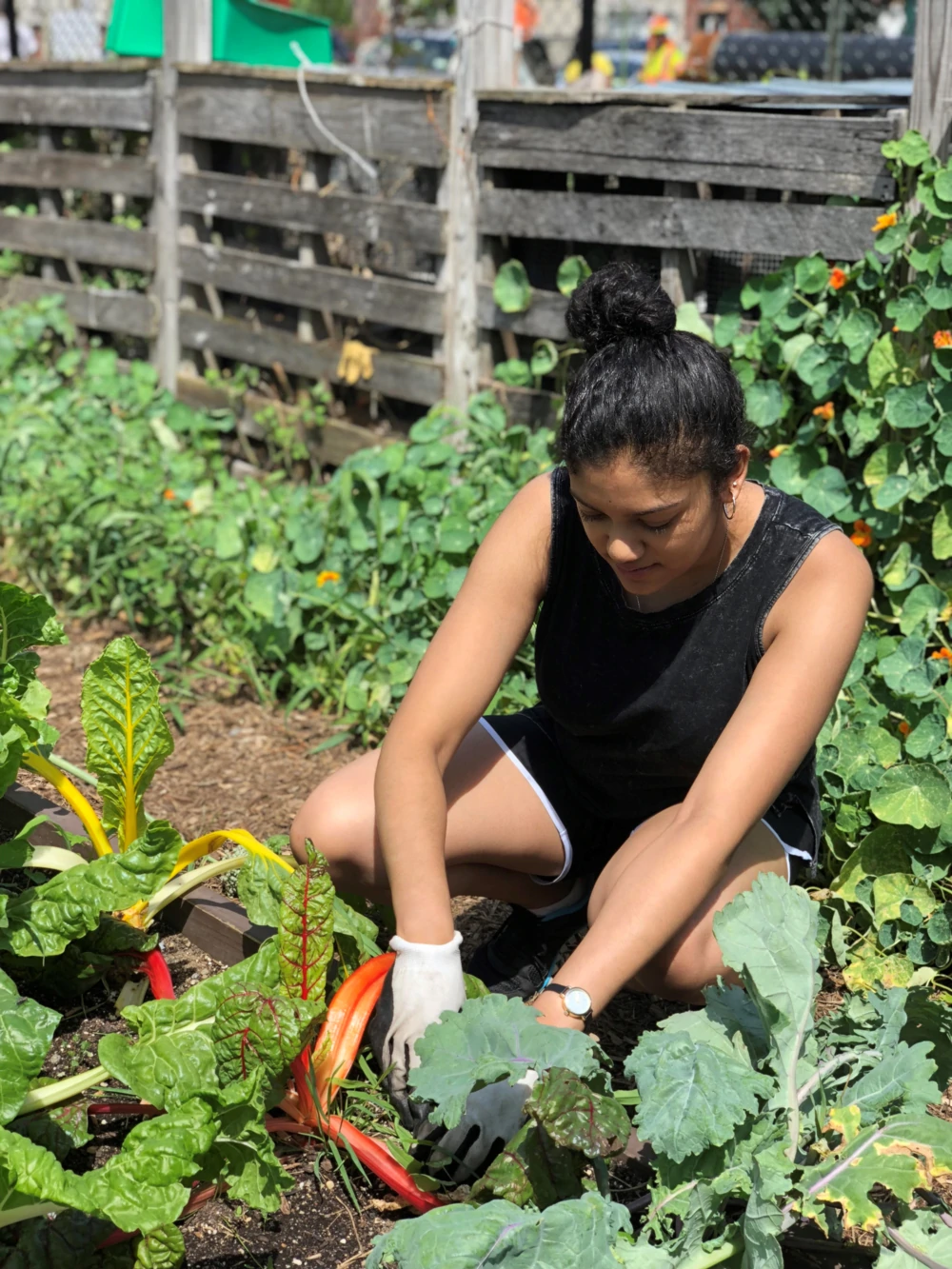
FENSUAGRO (Federación Nacional Sindical Unitaria Agropecuaria) is Colombia’s largest and most influential peasant organization.
Made up of more than 80 grassroots movements of farmers, rural workers, and educators, it has spent decades advocating for land reform, rural rights, and dignified livelihoods for those who feed the nation. FENSUAGRO’s work is deeply rooted in food sovereignty, the right of people to define their own food systems and produce healthy food through ecologically sound and sustainable methods.
Over its 50-year history, FENSUAGRO has grown into a powerful force for social and economic transformation in Colombia. Born from decades of organizing small-scale farmers, FENSUAGRO has not only fought for fair access to land but also for education, gender equity, and peace in the countryside. Its members have faced enormous challenges, from displacement and violence to corporate land grabs, and yet they’ve continued to build hope from the ground up. Through farmer-to-farmer training, agroecological production, and local markets, FENSUAGRO is showing that a just food system is possible when communities have the power to grow, share, and govern their own food.
Agroecology in Action: IALA Maria Cano
Tucked in the lush hills of Viotá, Colombia, FENSUAGRO’s María Cano Agroecology Institute is both a classroom and a living example of food sovereignty in practice. The campus hums with daily farm life: students harvesting vegetables in the teaching garden, instructors transforming milk into cheese and yogurt, and meals being shared in the communal kitchen. Each space tells a story. The dormitories and classrooms where young farmers study; the bakery and drying rooms where sugar cane and produce are processed for market; and the oldest building on the property, soon to become a library, a symbol of knowledge built from generations of peasant experience.
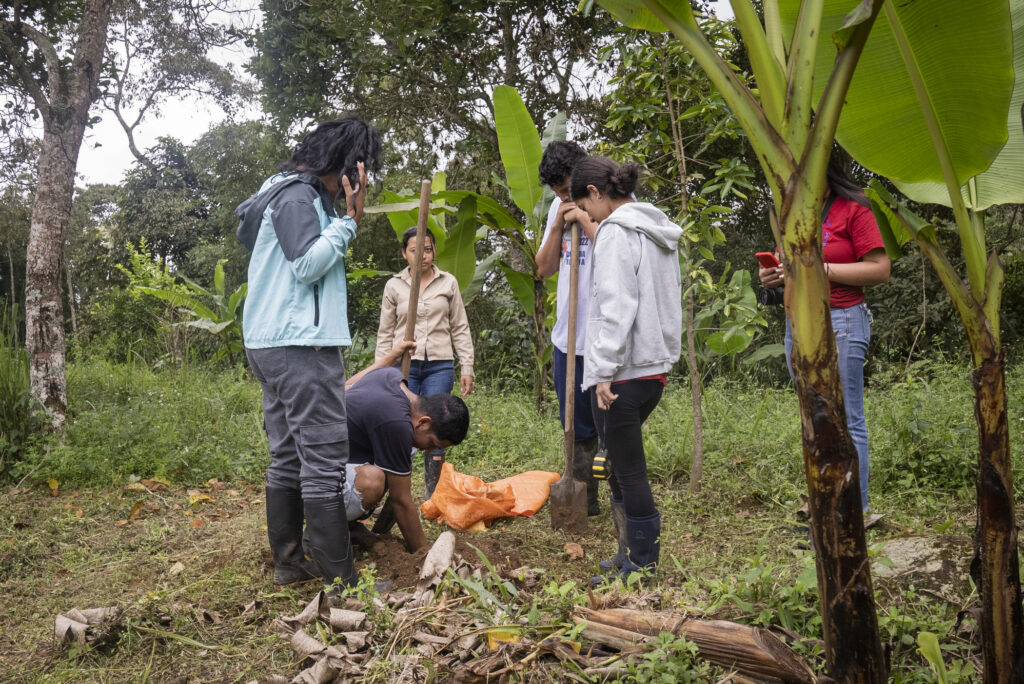
María Cano is part of a growing network of Latin American agroecology schools, or IALAs, united in the struggle for food sovereignty and rural rights. Here, farmers young and old learn by doing—cultivating crops, experimenting in the fields, and reviving ancestral wisdom. The approach aims to keep youth connected to their territories and stem migration to cities, a major challenge in rural Colombia. Graduates return home equipped to organize local markets, teach agroecological methods, and strengthen community autonomy.
For FENSUAGRO, food sovereignty is inseparable from peace and dignity. As Luz Dary Molina Hernandez, FENSUAGRO’s Secretary of Education, explains, peace is not only the absence of armed conflict; it is living in harmony with the land, animals, and one another.
Cultivating the Next Generation of Food Sovereignty Leaders
Across the globe, young people are leaving rural areas in search of opportunity. Limited jobs, poor connectivity, and unaffordable housing drive this migration, draining communities of farming knowledge, leadership, and social cohesion. In some regions, more than half of rural youth plan to move to cities within five years, a shift that threatens the future of sustainable food systems. Social movements like FENSUAGRO are responding by training a new generation of food sovereignty leaders—youth capable of revitalizing rural life through sustainable farming, cooperative economies, and community innovation. By investing in education, equitable land access, and youth leadership, these initiatives aim to keep rural territories vibrant, self-sufficient, and central to building a just food future.
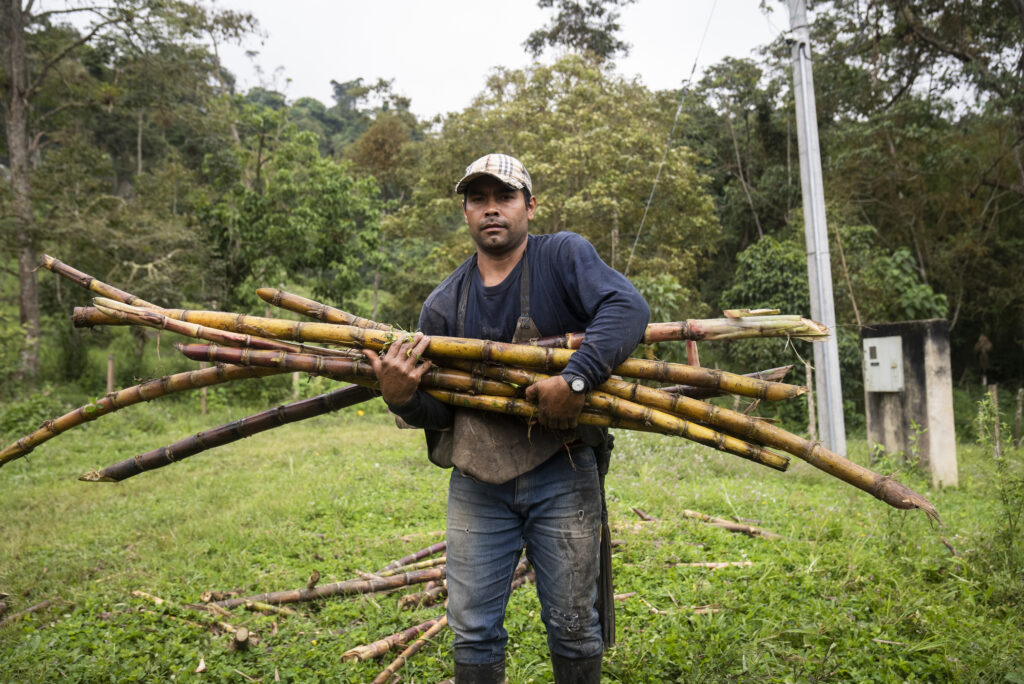
At the heart of this work is the belief that the future of food sovereignty depends on empowering young people and ensuring that rural life remains viable and dignified. The María Cano Institute helps change the narrative of migration through its farmer-to-farmer model, where youth gain hands-on training in agroecology, cooperative development, and community leadership. They leave not only with technical skills but also with a deep sense of purpose, belonging, and responsibility to their land.
This model redefines what it means to be a farmer; not a laborer bound by exploitation, but a steward of land, culture, and justice. The education offered through IALA María Cano and FENSUAGRO strengthens local economies, restores ecological balance, and defends the rights of rural workers to fair and dignified livelihoods. By rooting youth in their communities and connecting them to ancestral knowledge and collective organizing, FENSUAGRO nurtures the foundation of a global movement for food sovereignty, one that asserts the right to remain on the land, work with dignity, and feed one’s people through solidarity and care.
Rooted in Solidarity: WhyHunger’s Partnership with FENSUAGRO
Since 2014, WhyHunger has stood alongside FENSUAGRO with consistent, long-term technical assistance and financial grants, supporting them to grow their national model for peasant-led education. Since that first $5,000 seed grant ever received for their IALA, WhyHunger has contributed over $100,000 in solidarity funding, strengthening FENSUAGRO’s efforts to train young farmers, elevate women’s leadership, and build the infrastructure needed to sustain life in the countryside.
Grants have helped fund everything from maintaining classrooms and dormitories to building new facilities for community food production—like a bakery, dairy, and now a sustainable pig production center that will serve as a hands-on training site for rural families learning to farm with dignity and ecological care. All while helping them build resilience and grow additional streams of sustaining resources.
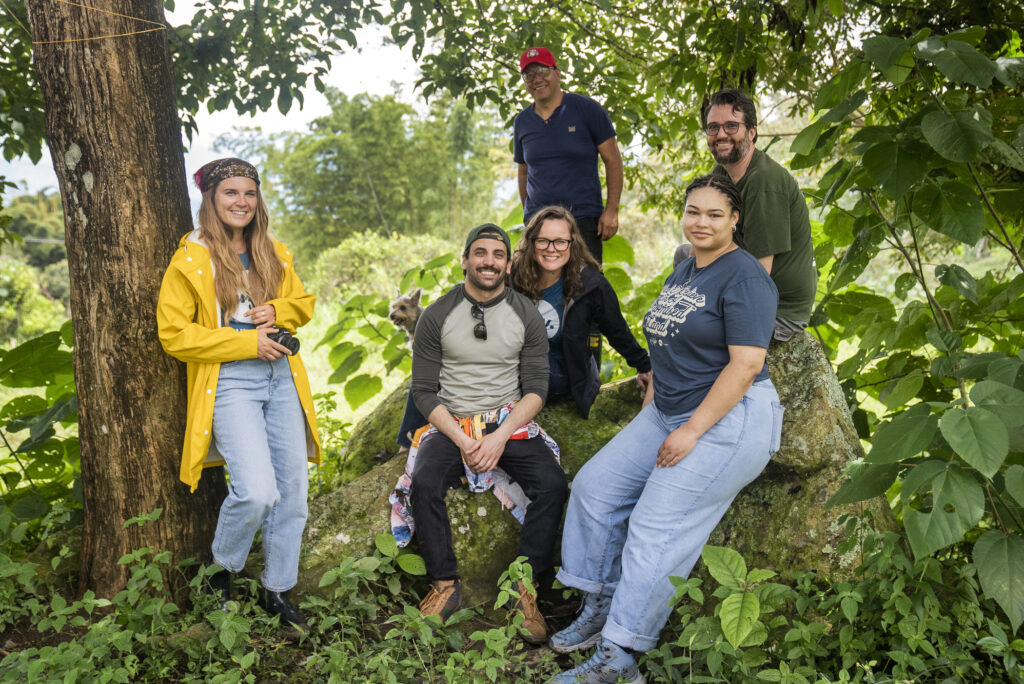
This support has also helped FENSUAGRO amplify the voices of more than 150 rural women leaders, ensure that youth remain active in their communities, and advance a powerful vision of agrarian reform centered on food sovereignty. As João from WhyHunger’s Global Movements team explains:
“Our partnership with FENSUAGRO isn’t just about funding—it’s about walking together. Their work continually shapes how we understand food sovereignty and solidarity. We follow their lead.”
That spirit of mutual trust is what makes the relationship thrive— FENSUAGRO’s grassroots leadership drives the work, and WhyHunger’s support helps create the space and stability for their vision to flourish.
Nearly a decade ago, WhyHunger joined FENSUAGRO as one of the first allies in bringing the María Cano Agroecology School to life. Today, that seed of solidarity continues to flourish in the hands of farmers, students, and communities building a future rooted in food sovereignty, justice, and peace. Learn more about their inspiring work and vision for a dignified, sustainable food system, and see it come to life in our short film featuring FENSUAGRO’s story.
Watch the video here: