The National Fisheries Solidarity Movement (NAFSO) Ocean School (AquaEcology)
School Profile
Sri Lanka
About the School
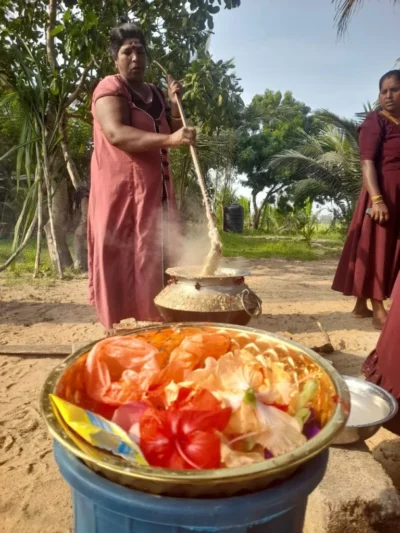
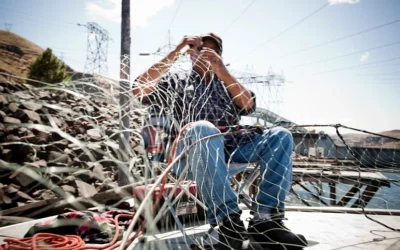
The National Fisheries Solidarity Movement (NAFSO) is a grassroots network of fisherpeople working across Sri Lanka to support small-scale fishing communities and protect shared natural resources. Their work advances sustainable fisheries while promoting gender justice, climate justice, environmental stewardship, economic equity, and community well-being.
With WhyHunger’s support, NAFSO has strengthened its Ocean School, which centers AquaEcology—a community-led approach that applies the principles of agroecology to fisheries and aquatic ecosystems. Rooted in traditional knowledge, participatory research, leadership development, and policy advocacy, AquaEcology recognizes oceans, rivers, and wetlands not only as ecosystems, but also as shared food sources, cultural spaces, and the foundation of community livelihoods. The program places a strong emphasis on developing women and youth as leaders, organizers, and researchers.
Through the Ocean School, NAFSO is building a movement that:
- Trains young community researchers and grassroots organizers.
- Strengthens and expands AquaEcology through community-led education and research.
- Shares AquaEcology learning models across the World Forum of Fisher Peoples (WFFP) network.
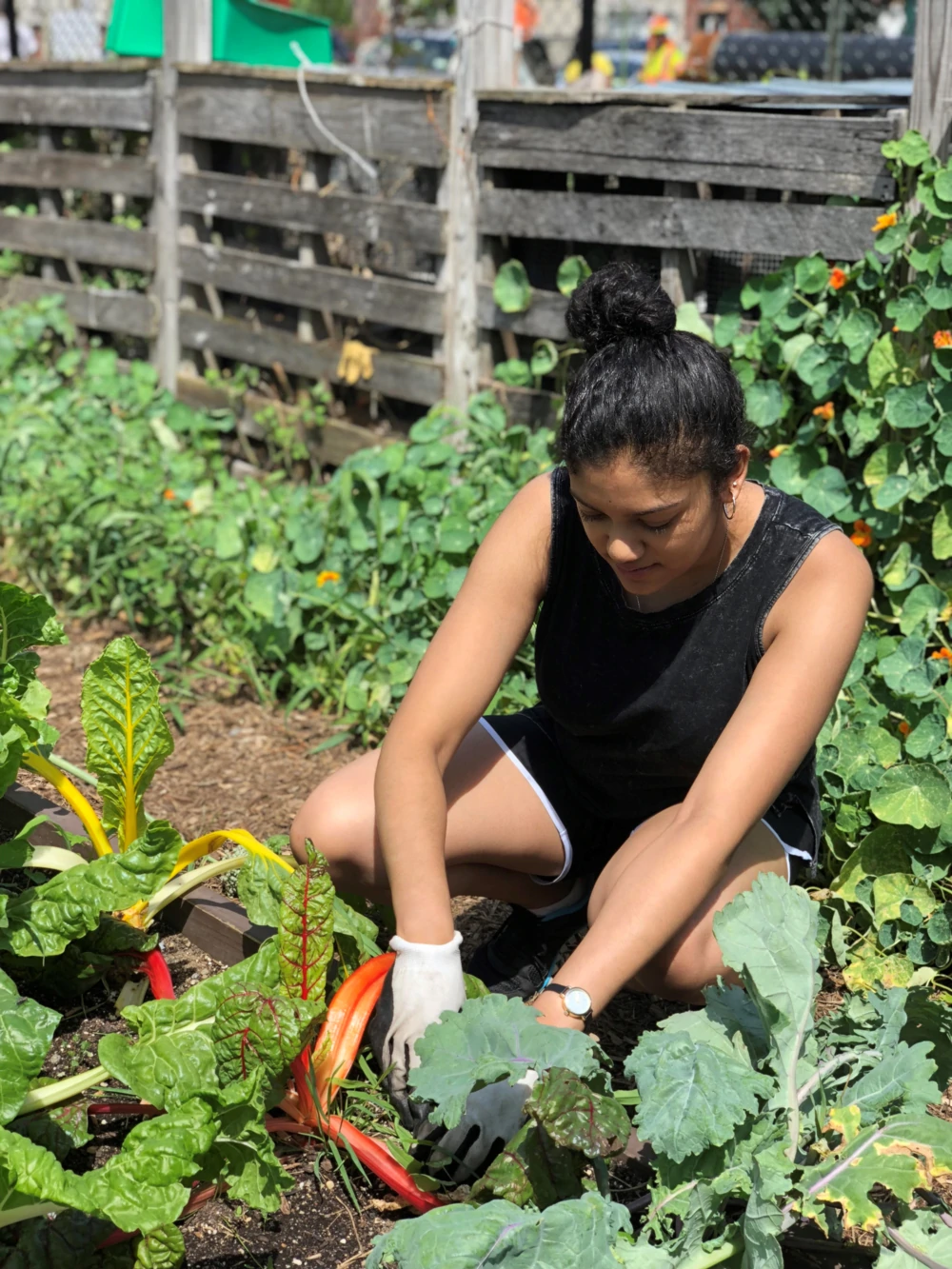
- Restores degraded coastal, lagoon, and agricultural ecosystems through ecological planting and community stewardship.
- Strengthens women and youth leadership in agroecological and aqua-ecological practices.
- Builds solidarity between fishing and farming communities through joint learning, research, and advocacy.
- Advances public dialogue and policy on food sovereignty, climate justice, and the democratic governance of shared natural resources.
Whyhunger supported NAFSO to restore interconnected land and water ecosystems while strengthening food sovereignty in Sri Lanka through a community-led Agroecology–AquaEcology framework rooted in ecological restoration, traditional knowledge, and collective stewardship.
To learn more about NAFSO’s work and follow the growth of AquaEcology, click here.
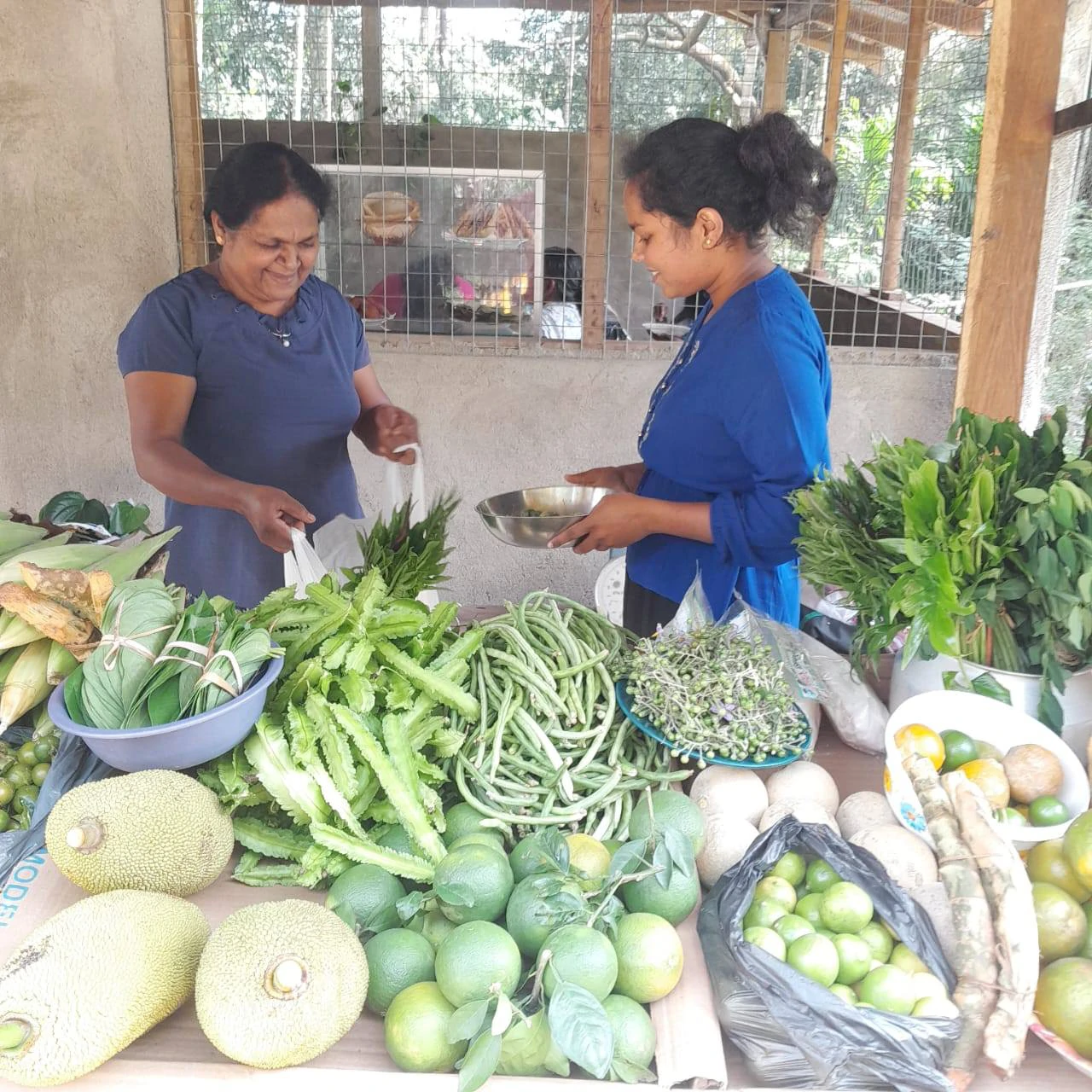
The Agroecology School Cohort
Each school adapts agroecology to its local context—responding to climate, culture and community needs. Whyhunger’s project spans schools across 10 countries.
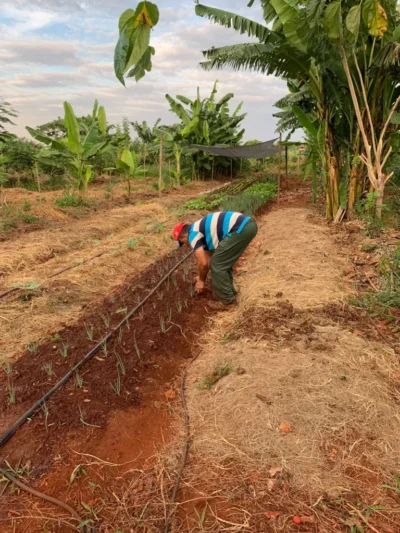
Dominican Republic
Kuna Yala (Panama)