Paulo Kageyama Agroecology Center – MST Landless Workers Movement
School Profile
Brazil
About the School
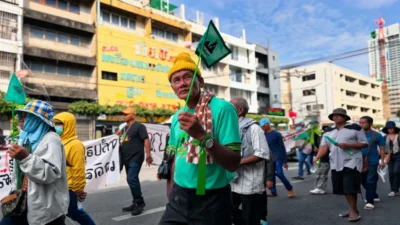
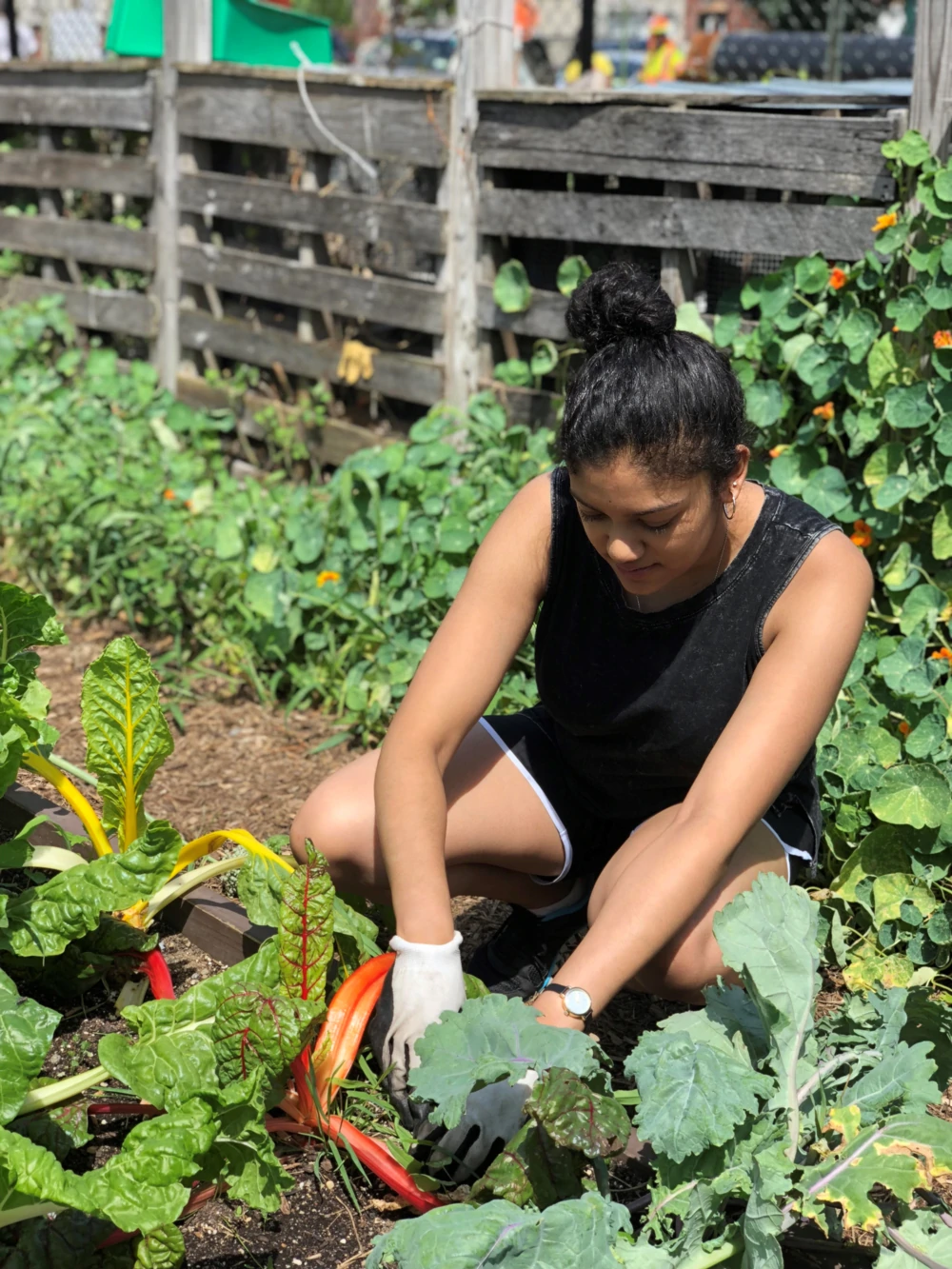
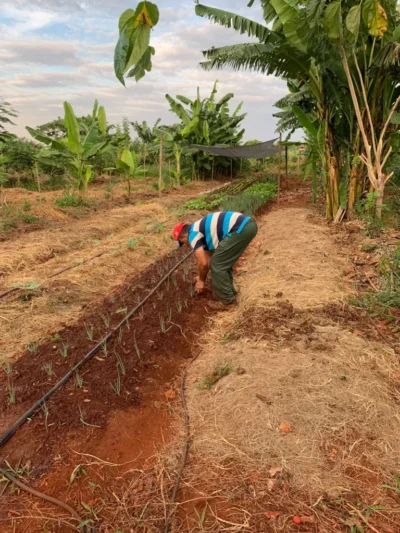
Across rural Brazil, the Movimento dos Trabalhadores Rurais Sem Terra (MST), or the Landless Workers Movement, is building thriving farming communities where families can grow healthy food, care for the land, and shape their own futures. MST is one of the largest social movements in the world, and their work centers on a simple but powerful idea: families who depend on the land should have the right to farm it, live on it, and feed their communities with dignity. MST is made up of hundreds of thousands of families living in agrarian reform settlements across the country. These communities are home to small farms, cooperative food production, schools, and vibrant cultural programs. Families grow fruits, vegetables, grains, and medicinal plants through agroecology. Agroecology is empowering communities to steward their land, strengthen local economies, influence public policy, and grow food with dignity, creating long-term solutions to hunger rooted in collective power.
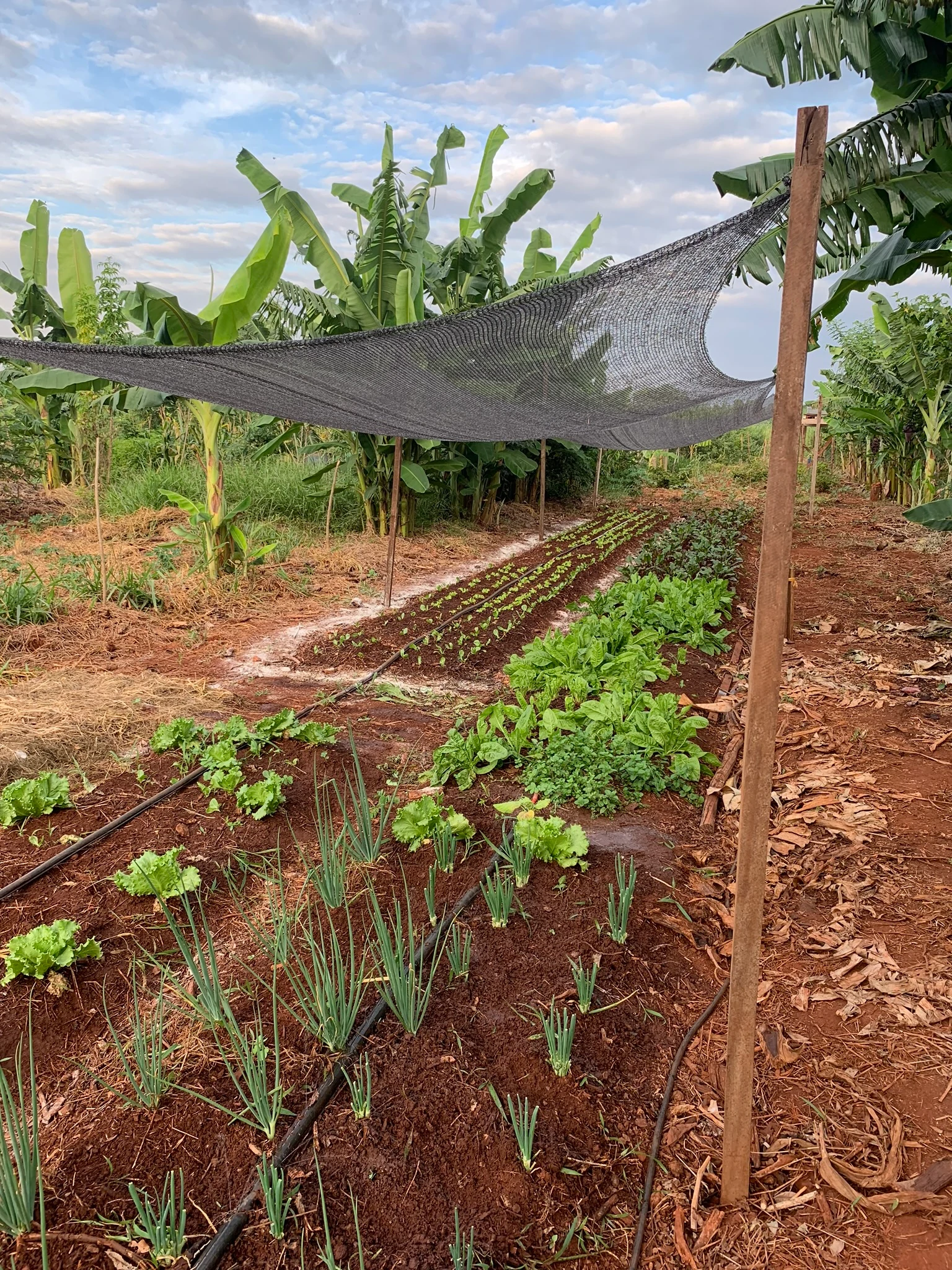
Located in the state of São Paulo, Brazil, CAPK was created in 1993 and has a large living classroom for students, dedicated to sharing and multiplying knowledge among peasant families living and working there. They also teach the importance of agroecological food production to a wider audience.
The school has as its objectives:
- To serve as a training ground for communities fighting to defend nature;
- To promote agroecology on a mass scale;
- To produce healthy food;
- To supply the MST national sites in São Paulo;
- To provide opportunities for training, research, and experimentation among our grassroots members and in dialogue with society.
Whyhunger supported MST in strengthening the Agroecology Center’s Bio Factory, a specialized facility where fertilizers and pesticides made from microorganisms or natural substances are produced; these products help nourish plants and combat pathogens while preserving the environmental balance. A bio factory promotes agricultural practices that respect the environment and encourages the production of healthier food.
To learn more about the Paulo Kageyama Agroecology Center’s work, click here.
The Agroecology School Cohort
Each school adapts agroecology to its local context—responding to climate, culture and community needs. Whyhunger’s project spans schools across 10 countries.
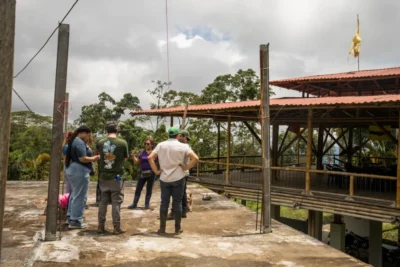
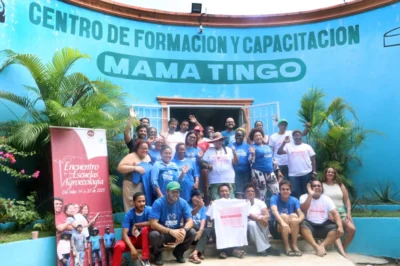
Dominican Republic
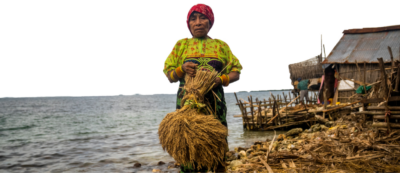
Kuna Yala (Panama)