Statement from WhyHunger on Maine’s Historic Right to Food Amendment
New York (November 3, 2021) – Noreen Springstead, executive director of WhyHunger, issued the following…


New York (November 3, 2021) – Noreen Springstead, executive director of WhyHunger, issued the following…
Musician-inspired merchandise, celebrity auctions and experiences, radio partnerships and more raise awareness and strike at…

Musician-inspired merchandise, celebrity auctions and experiences, radio partnerships and more raise awareness and strike at…

New York (October 20, 2021) – WhyHunger’s Come Together event took place at the City…
New York (October 20, 2021) – WhyHunger’s Come Together event took place at the City…
WhyHunger’s Drum Together features over 100 of the world’s greatest drummers for a newly released…

WhyHunger’s Drum Together features over 100 of the world’s greatest drummers for a newly released…

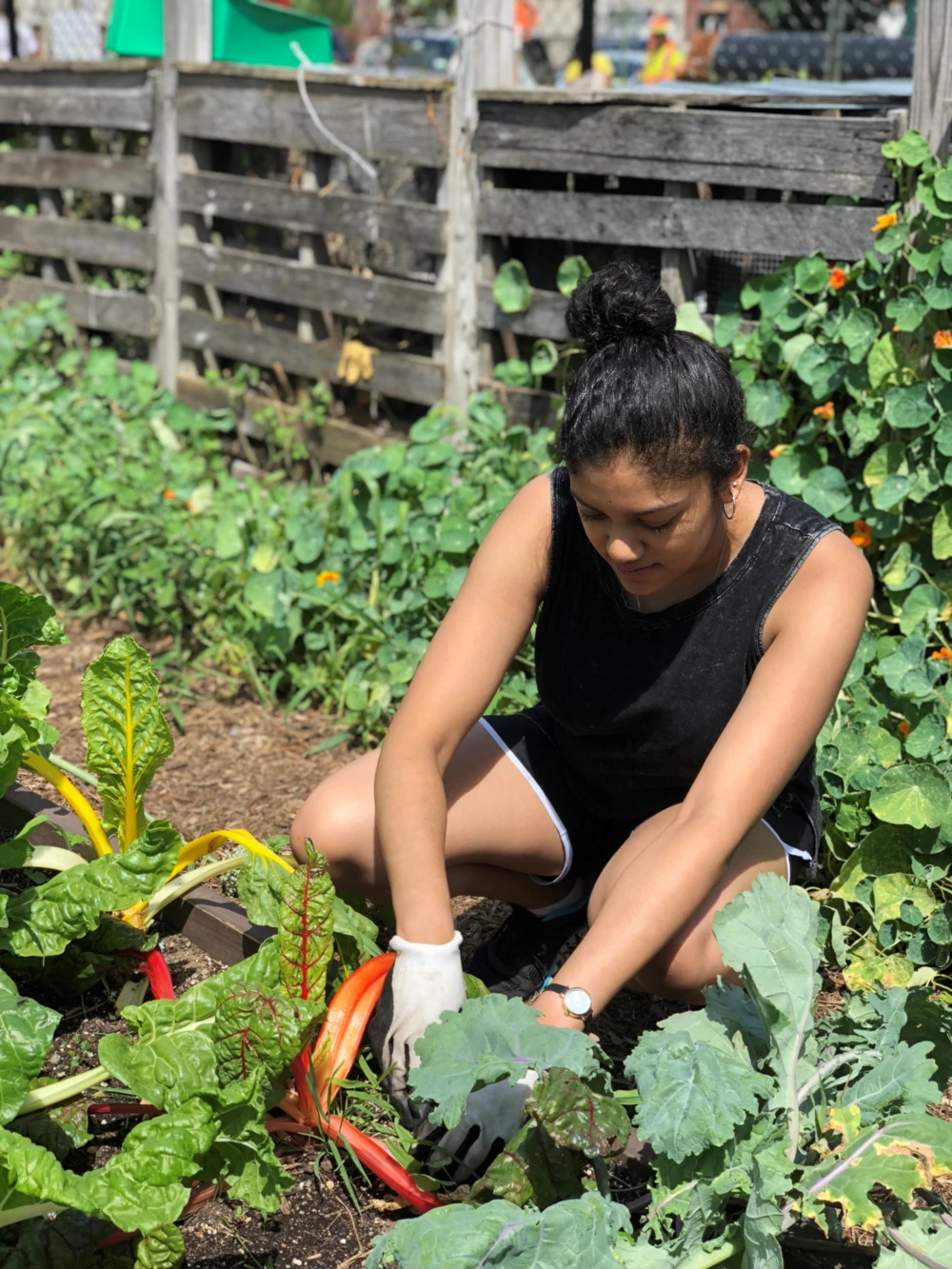
Farming and agriculture were once a major source of wealth for Black American families. In 1910, up to 80% of the Black middle- and upper-class families owned farms. But by the turn of the 21st century, 90 percent of that land was lost. According to 2017 USDA data, there are 3.4 million farmers in the U.S. and only 1.3% identify as Black, 2.3% as Native American or Alaskan Native, and less than 1% as Asian American.
Farming and agriculture were once a major source of wealth for Black American families. In 1910, up to 80% of the Black middle- and upper-class families owned farms. But by the turn of the 21st century, 90 percent of that land was lost. According to 2017 USDA data, there are 3.4 million farmers in the U.S. and only 1.3% identify as Black, 2.3% as Native American or Alaskan Native, and less than 1% as Asian American.

FOR IMMEDIATE RELEASE New York (August 17, 2021) – Noreen Springstead, executive director of WhyHunger,…

Sign up to receive food justice news, updates on our work, and opportunities to get involved.